Why Art Feedback and Critique for Artists Truly Matter
Art feedback and critique for artists are essential to every creative journey.
Whether you’re a painter in Hobart, a ceramicist on the North West Coast, or a fibre artist in the Huon Valley, thoughtful critique can be the difference between stagnation and growth.
Artists often work alone, and without regular, constructive feedback it’s easy to lose perspective or fall into familiar habits.
This story – Part 1 of our two-part series – explores why feedback and critique are vital for growth, showing how they reveal blind spots, refine intention, and build confidence.
In Part 2, we’ll move to the practical side, offering ten real-world tips on how to create or join safe, supportive circles that make critique a natural, energising part of your art life.
Read on to discover why understanding why is the foundation of doing how well.
The Quiet Challenge of Working Alone
For many creators, long hours in the studio are both a blessing and a burden.
Solitude provides focus but can narrow your viewpoint. Over time, even the most dedicated artist may become so close to their work that they stop truly seeing it.
That’s where art feedback and critique for artists plays a transformative role.
Thoughtful critique acts as a mirror, reflecting back not just your skills but also the subtleties you may overlook.
It bridges the gap between what you believe you’re expressing and what others actually perceive.
Critique Builds Clarity and Confidence
When handled with care, feedback doesn’t diminish creative confidence—it strengthens it.
Constructive art feedback and critique for artists helps you articulate intent, evaluate success, and make informed creative decisions.
It gives you language for what you’re trying to achieve, which in turn builds conviction when presenting or selling your work.
Learning to listen objectively also nurtures emotional resilience.
The more often you engage in critique, the easier it becomes to separate your identity from your artwork.
That emotional distance is not detachment—it’s professionalism.
Why Art Feedback and Critique for Artists Differs from Casual Opinion
Not every opinion qualifies as critique. A quick “I like it” or “It’s not my style” rarely helps an artist grow. Proper art feedback and critique for artists is rooted in observation, context and empathy.
A strong critique considers composition, materials, balance, emotion and meaning. It looks at how effectively the piece communicates the artist’s vision. Constructive feedback avoids prescriptions; instead, it asks thoughtful questions:
- What feeling were you aiming to create here?
- Does this colour choice support your story?
- How does the scale affect viewer engagement?
In this way, critique becomes collaboration – a dialogue that helps both giver and receiver think more deeply about art.
Community Connections: How Art Groups Strengthen Feedback Culture
One of the richest sources of art feedback and critique for artists is membership in a local art group or society.
Across Tasmania and throughout Australia, community art groups provide vital opportunities not only for exhibiting but also for sharing, reflecting and growing together.
Regular meet-ups or critique sessions within these groups create a safe, structured environment where members can present current projects and receive constructive insights.
The benefit extends well beyond technical advice: you gain friendship, accountability and encouragement.
Being part of a group or society offers:
- Exhibition opportunities that expand visibility and confidence.
- Workshops and skill-shares where you learn fresh techniques.
- Art retreats that deepen relationships and recharge creativity.
- Peer support that transforms isolation into belonging.
Within such environments, feedback is not something to fear—it’s an act of shared learning.
The Joy of Slow Stitching: Creativity, Calm and Connection Part 1
Discover the joy of slow stitching, mindful making and creative connection. Explore nature journaling, creative courage and making together.
12 Ways to Explore Your Creativity with Different Mediums – Part 2
Expand your skills and explore your creativity with these 12 ways to embrace working with different mediums in part 2 of our series.
Exploring Creativity Through Different Art and Craft Mediums – Part 1
Discover how trying new mediums can reignite creativity, build confidence and inspire fresh ideas for your art and creative practice in Part 1.

Marketing Made Simple for Artists Ready to Grow their Audience – Part 1
Discover why marketing is an essential creative skill for artists and makers, and learn how simple strategies help grow audiences and creative opportunities.
Understanding SEO and Why It Matters for Artists – Part 1
Learn how SEO helps artists get discovered online by the right audience, turning creative content into lasting visibility without paid ads or marketing stress.
Seeing Differently: Sharpening Perception Through Critique
Repeated exposure to honest, respectful feedback improves how you see, both your own work and others’.
Artists who regularly participate in critique develop sharper visual awareness.
A painter might notice how negative space adds tension; a printmaker might discover how paper tone alters mood.
Engaging with art feedback and critique for artists encourages continuous questioning: Is my message clear? Does the material serve the idea? What could I refine next time? Over time, you internalise this dialogue, becoming your own best critic.
Turning vulnerability into creative strength
Inviting feedback means revealing something personal. It can feel risky to show unfinished or uncertain work.
Yet those vulnerable moments are where artistic leaps occur. Each critique session teaches you that openness invites insight.
In supportive environments—especially within art groups and societies—artists learn to reframe vulnerability as bravery.
It’s not about exposing weakness but demonstrating a commitment to growth. Over time, critique becomes less about approval and more about curiosity.
Cross-Pollination and Collaboration
Constructive art feedback and critique for artists often sparks collaboration.
A ceramicist may respond to a painter’s colour suggestion by experimenting with glaze layering; a textile artist might adapt a printmaker’s approach to pattern.
When artists from different disciplines exchange observations, they challenge each other’s assumptions and open doors to innovation.
This cross-pollination nurtures creativity in ways solitary work rarely can.
Maintaining Your Artistic Compass
While feedback is invaluable, balance is essential. Not every suggestion will suit your intention, and consensus should never replace conviction.
Healthy art feedback and critique for artists informs decision-making—it doesn’t dictate it.
Think of feedback as raw material. You can shape it, test it, or set it aside.
As you gain experience, you’ll sense which insights align with your vision and which to leave behind.
Far from diluting individuality, critique sharpens it by clarifying what truly matters to you.
The Lifelong Habit of Learning
Engaging in continuous critique builds a mindset of lifelong learning.
It encourages adaptability and humility, qualities that sustain artists through shifting trends and technologies.
Many established artists attribute their evolution to the feedback cultures they nurtured early in their careers—studio discussions, peer reviews, society meetings.
They understand that artistry isn’t a destination but an ongoing conversation between maker, material and audience.
Preparing for Part 2: Putting Feedback into Practice
Now that you’ve explored why feedback and critique matter so deeply, you’re ready to learn how to make them work for you.
In Part 2 – “How to Give and Receive Feedback and Critique Effectively”, we’ll share ten practical tips to help you:
- Form a peer critique group or join an art society,
- Create a safe, respectful feedback space, and
- Apply insights while staying true to your creative voice.
These steps will show how art feedback and critique for artists can become one of the most rewarding habits in your creative life.
Final Thoughts: Embracing Growth Through Connection
Art is communication, and communication thrives on exchange.
Every conversation about your work—whether in a gallery, a workshop, or a local society hall—is an opportunity to learn.
When you embrace feedback with openness and grace, you strengthen not only your art but also your confidence and sense of community.
Remember: critique is not about right or wrong; it’s about expanding perception.
So, before you clean your brushes or close your sketchbook, consider who you could invite into your creative dialogue.
And don’t miss Part 2, where we dive into the how: ten practical ways to give and receive feedback that fuels growth, friendship and lasting artistic fulfilment.
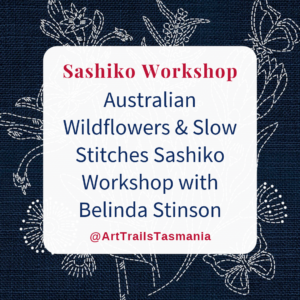
Australian Wildflowers and Slow Stitches Sashiko Workshop
Discover mindful slow stitching with our beginner-friendly Sashiko workshop. Create a beautiful Australian Wildflower panel and take home your sewing kit.
Workshop Joy with Artist Christie Lange
Get creative with clay in a hands-on workshop led by ceramist artist Christie Lange. Learn, experiment & make something of your own in this season of workshops.
Read the Latest How To Blog Stories
Marketing Made Simple for Artists Ready to Grow their Audience – Part 1
Understanding Why Marketing Really Matters Marketing is a powerful creative tool that helps artists, makers and creative small businesses share their work with the right audiences while building meaningful connections beyond the studio door. It is not about...
12 Key Marketing Practices Artists and Creative Business Owners Need – Part 2
12 Timeless Marketing Skills Marketing is the bridge that connects your creative work with the people who will value, collect and support it. For artists and makers, effective marketing is not about chasing every new trend; it is about building meaningful...
12 SEO Skills for Artists and Creative Businesses – Part 2
12 Practical SEO Skills That You Need SEO is the thread that connects artists, art groups, workshop organisers, and creative businesses with audiences already searching for their work online. In Understanding SEO and Why it Matters for Artists - Part 1, we explored...
Understanding SEO and Why It Matters for Artists – Part 1
Understanding Search Engine Optimisation Search Engine Optimisation, SEO, is the simple art of helping the right people discover your creative work online without paid advertising. For artists, makers, and creative businesses, SEO works quietly behind the scenes like...
How to Promote and Grow Your Art Group Effectively – Part 2
Making your Art Group a Financial & Creative Success An art group thrives not only on creativity but also on clear, consistent promotion and organisation. Building on How an Art Group Supports Artists, Makers and Creative Growth - Part 1, this story focuses on the...
How an Art Group Supports Artists, Makers and Creative Growth – Part 1
Coming Together as an Art Group to Thrive An art group or society can be so much more than a place to meet; it becomes a shared creative home where ideas, skills and friendships flourish. For those running an art group or society, nurturing that sense of belonging...
Read the Latest Blog Stories and Flourish…
Australian Wildflowers and Slow Stitches Sashiko Workshop
Discover the Joys of Sashiko Stitching Sashiko is a beautiful Japanese stitching technique that invites you to slow down, embrace mindful making and enjoy the simple pleasure of creating something by hand. Join me for a beginner-friendly workshop where we’ll explore...
Workshop Joy with Artist Christie Lange
Discover Clay with Award Winning Ceramist Artist Christie Lange Make this summer creative with a season of clay workshops led by ceramist artist Christie Lange in her welcoming Binalong Bay studio. Come with friends, family or enjoy some creative time by yourself....
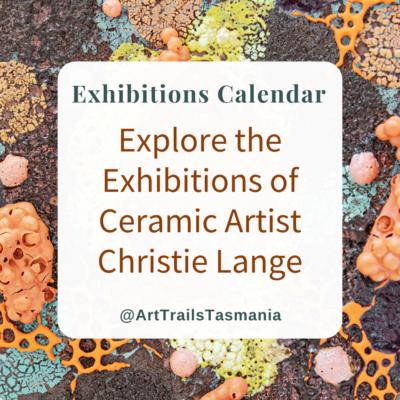
Christie Lange Exhibition Exploration
Explore the Christie Lange Exhibitions Two captivating exhibitions invite visitors to explore the hidden wonders of nature through the work of Tasmanian contemporary ceramics artist Christie Lange. From the intricate ecosystems beneath our feet to the vastness of...
Voices Through Art: Arch Lived Experience Art Campaign
Exhibition Call Out: Be Part of Voices Through Art What does hope and healing mean to you? The Arch partnership are proud to launch the Voices Through Art: Arch Lived Experience Art Campaign. As part of the 2026 16 Days of Activism Against Gender-Based Violence...
Huon Valley Studio Art Trail Explorations
Huon Valley Studio Art Trail Invitation The most anticipated annual event returns this October 23-25 to the valley with the Huon Valley Studio Art Trail only weeks away! Artists and Makers throw open their studio doors inviting you to explore their private world...
The Joy of Slow Stitching: Creativity, Calm and Connection Part 1
Mindfulness with Slow Stitching Discover how slow stitching, mindful making and small daily creative acts can nurture connection, build creative confidence and bring more joy into everyday life. Slow stitching offers a gentle invitation to slow down, reconnect with...
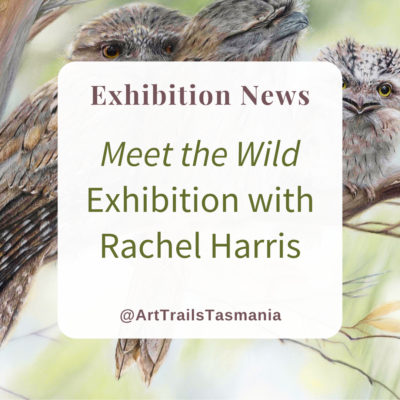
Rachel Harris ‘Meet the Wild’ Exhibition
Celebrating the First Solo Exhibition of Rachel Harris Meet the Wild is Rachel Harris’s first solo exhibition, bringing together life-like drawings of Tasmanian wildlife in colour pencil, graphite and charcoal. Drawing on her background as a research scientist, Rachel...
Discover the Artist Hubs of the Huon Valley Studio Art Trail
Get Along to the Artist Hubs of the Huon Valley Studio Art Trail More artists - more venues! In 2026 the Huon Valley Studio Art Trail includes a more diverse collection of artists and makers than ever before. In addition to the 40+ artists opening their home studios,...
Join the Workshops Waitlist
Something Creative Is Taking Shape at the Art Farm I've been thinking about workshops for a long time. In fact, I've been collecting ideas for arts and crafts workshops for a couple of years now — jotting things down, imagining projects, thinking about what I'd love...
Read What Our Members Say About Belonging
Join the growing, supportive artists community today and have your Artist story told here.
Belinda is doing a great job creating a professional looking artist hub online. Check out the profile I posted recently to see how well she does them. To all my artist friends let’s help make this THE go to place to discover local artists.
You won’t regret joining Art Trails Tasmania . It’s a welcoming community for creatives at any career stage.Becoming an Art Trails Tasmania member wasn’t a hard decision for me to make as it’s such a wealth of knowledge and support.Being member provides a quality way to showcase your creative endeavours and it’s quickly growing in reach.
We operate a home based picture framing business and recently joined Art Trails Tasmania as a means to giving us exposure to the wider artist community. We have almost immediately seen increase in activity thru our online sites, which I am certain will lead to more opportunities to grow our business.