Art & Conservation Chairty Collaboration
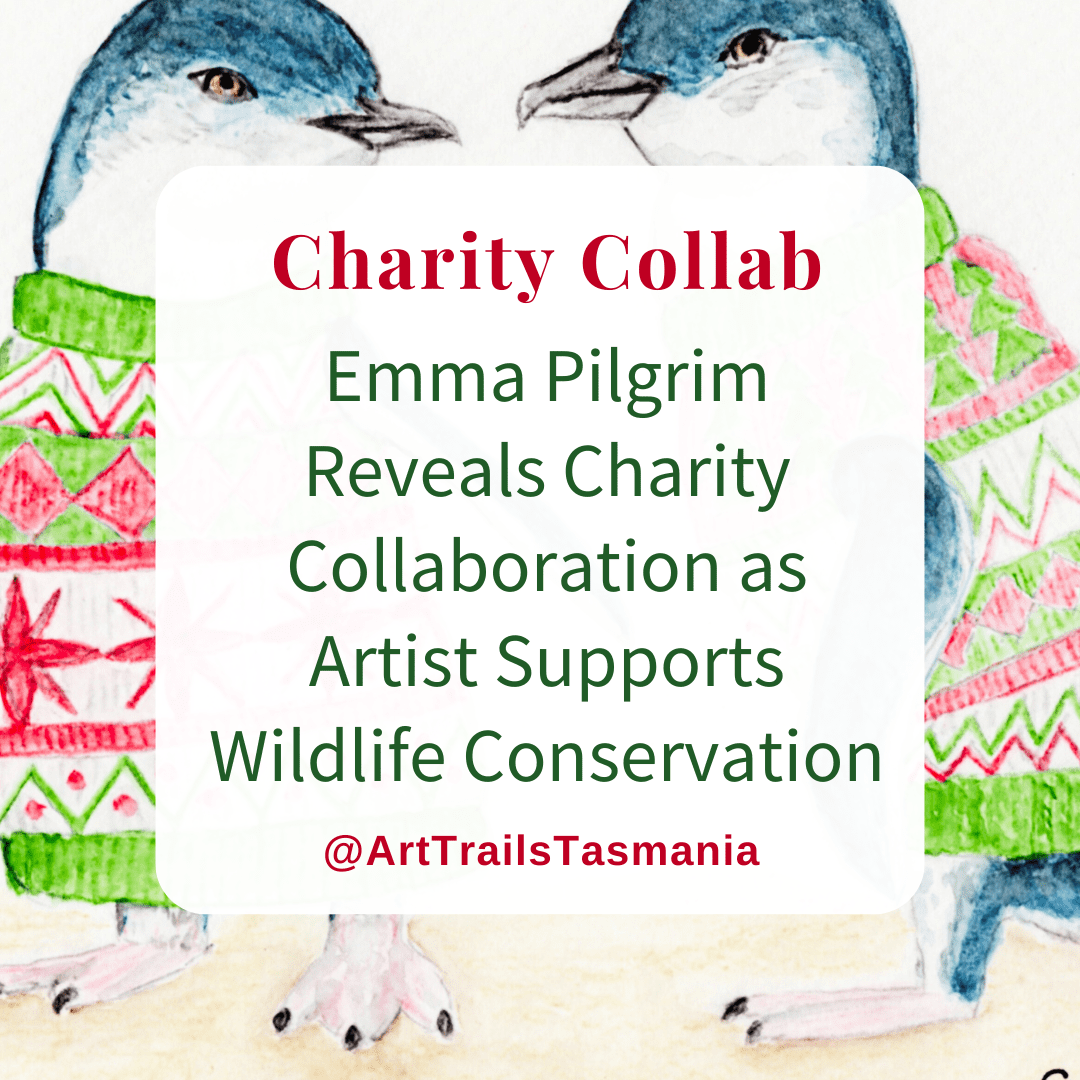
Charity collaboration sets the tone for Emma Pilgrim’s story, which was partly inspired by our Explore Charity Collaborations for Community, Growth and Connection – Part 1andPart 2 features.
After returning to watercolour while caring for her young daughter, Emma’s volunteer work with Penguin Rehab and Release sparked a deeper creative connection.
Her wildlife paintings gradually became integral to the charity’s outreach, offering mutual benefit through conservation support, community engagement, and Emma’s strengthened artistic identity.
Can you share a little about your artistic background and what drew you back to painting after taking a break?
I first got into watercolour painting as a teenager. I loved the medium right away.
There’s something about the translucency and unpredictability of watercolour that I enjoy, both in the finished artwork and in the painting process.
I felt I had some natural ability, but I also knew I
had a lot of room to grow and improve my abilities.
I continued to paint occasionally when I had spare time, but once I went to university and later started my career, painting wasn’t a priority and I didn’t carve out the time for it.
I started painting more regularly again when I was a stay-at-home mum. I loved that time with my daughter, but I also wanted something that felt like an occupation beyond my role as mother.
Explore Your Creativity Through Boundaries That Strengthen Your Creative Practice – Part 1
Explore your creativity by embracing limits as creative catalysts. Learn how constraints support focus and creative voice in part one of this series.
10 Small Daily Practices to See Life Through a Creative Lens Part 2
These 10 small daily practices help you build a creative life through observation, journaling, movement, & play, transforming everyday routines into artful joy.
Painting Penguins
I started with one painting of penguins rehabilitated at Penguin Rehab and Release, but apart from that my first ‘projects’ were actually illustrations for the little children’s books I wrote for my daughter.
From there, I started doing watercolour portraits of pets. First I painted my own animals, then those of friends and family, then those of friends of friends.
I painted for free until I felt that I had developed my skills to a point that I could ask for payment.
Pet Portraits Commission
Now I do pet portraits on commission, usually for people that I have some connection with, but occasionally for complete strangers that have found my work online or have seen one of my flyers locally.
In between pet portraits, I paint mostly native birds and other wildlife which I occasionally enter in exhibitions.
Around the time I started painting again, I was also dealing with chronic fatigue syndrome, although I didn’t get a formal diagnosis until later.
I did go back to part-time work briefly when my daughter was a toddler, but eventually I realised I didn’t have the capacity to keep working outside the home.
Painting at Your Own Pace
Painting was something I could do at my own pace, in a way that fit with my health and my life.
Once my daughter started kindergarten at age four, I suddenly found myself facing that classic question you get whenever you meet new people: ‘So, what do you do?’
Saying I was a stay-at-home mum while my daughter was at school felt incomplete. Being able to say, ‘I’m an artist.
I do custom pet portraits,’ made me feel like I was contributing something meaningful. It gave me a sense of identity and purpose that I really valued.
You mentioned that you volunteer with Penguin Rehab and Release — how did this work first inspire you to pick up your brushes again?
Wildlife conservation has always been a big part of my life.
I studied biology at university, did my honours work on shorebird ecology, and later worked with Tasmanian devil conservation.
When I stepped back from part-time work because of chronic fatigue, I still wanted to stay connected to that world.
At the same time as I was finishing up work I saw a call out for new volunteers at Penguin Rehab and Release right here in Burnie.
It felt like an opportunity tailer made for me; something I could genuinely contribute to, without the pressure of paid work.
Fundraising Greeting Cards
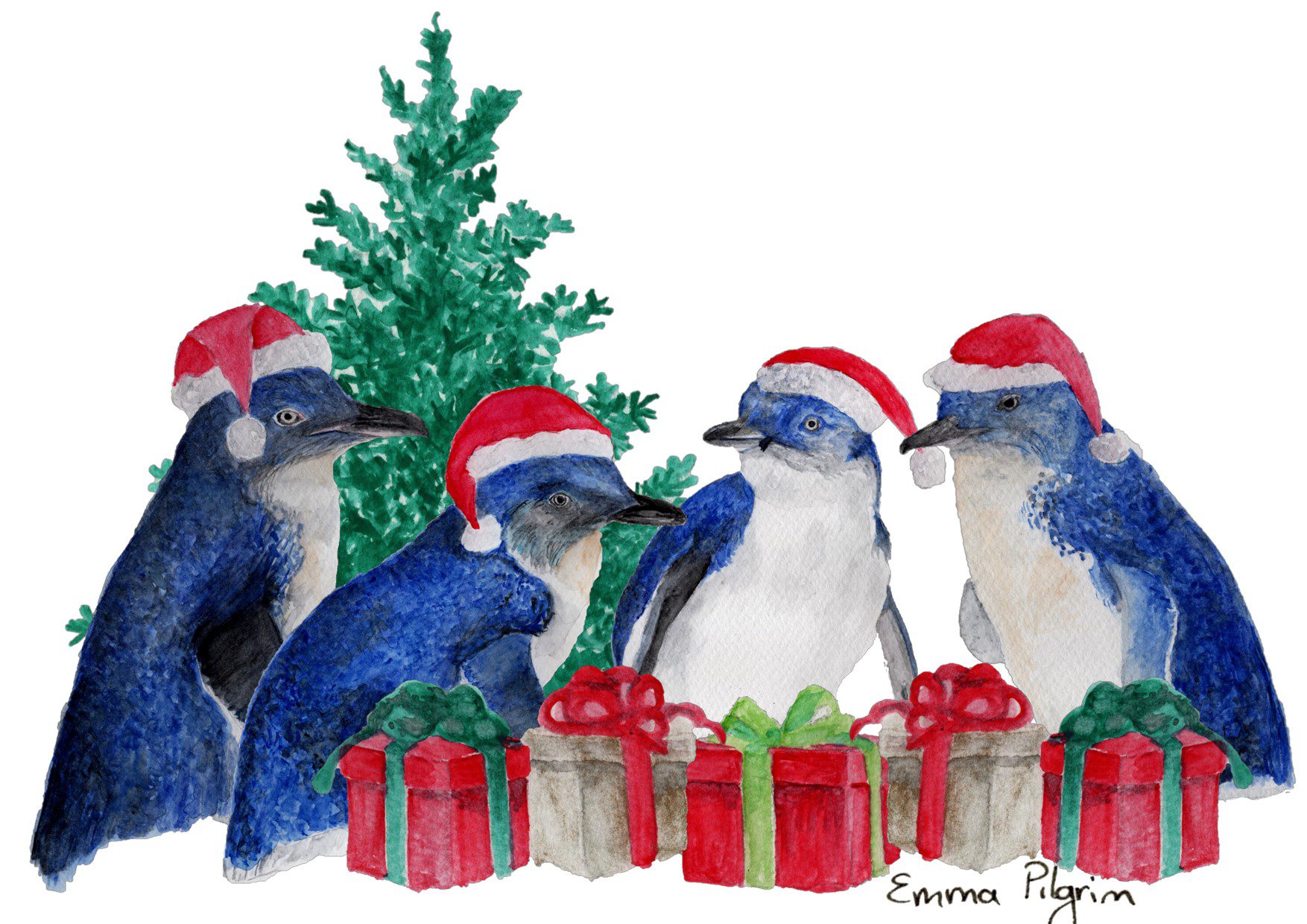
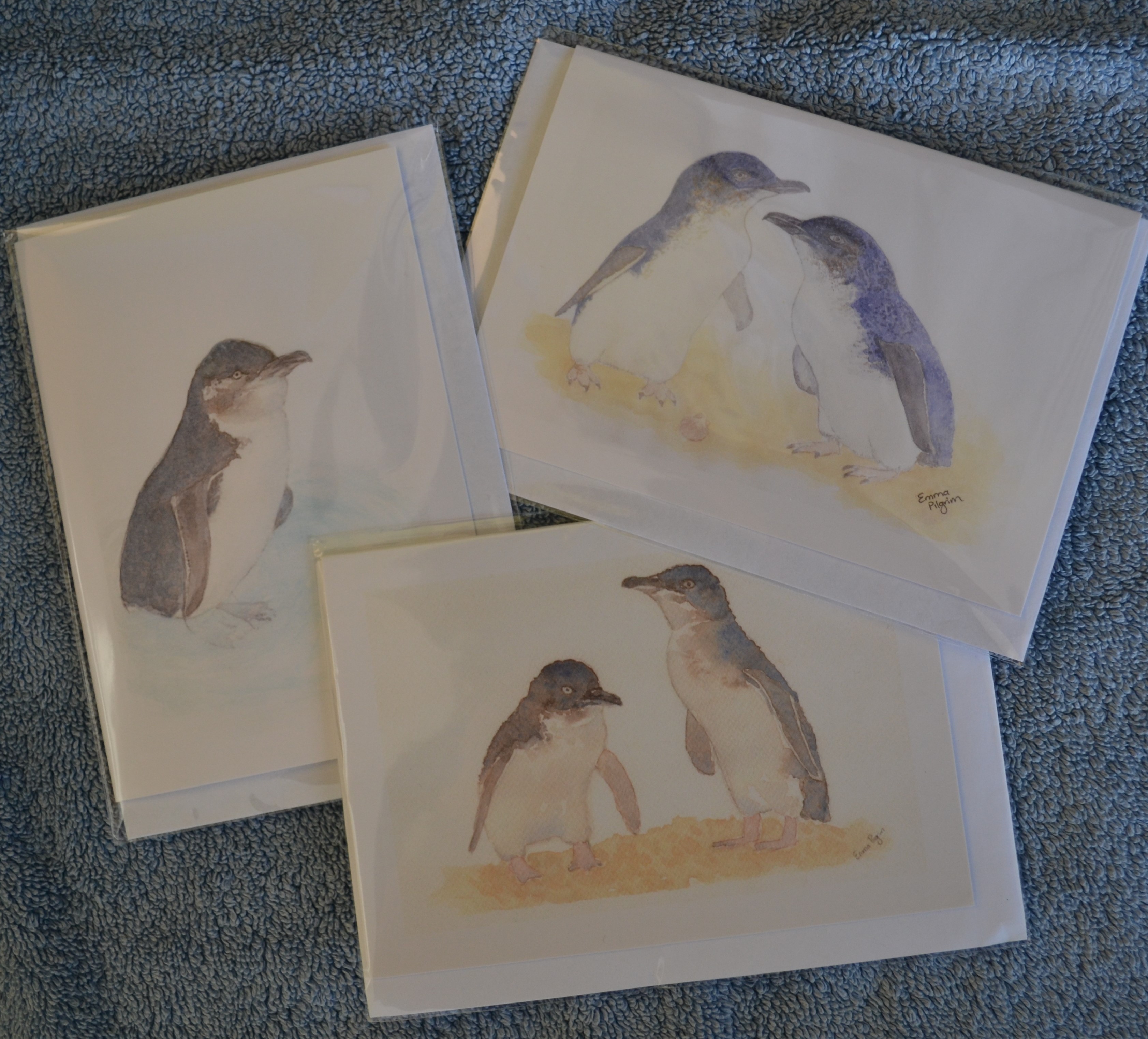
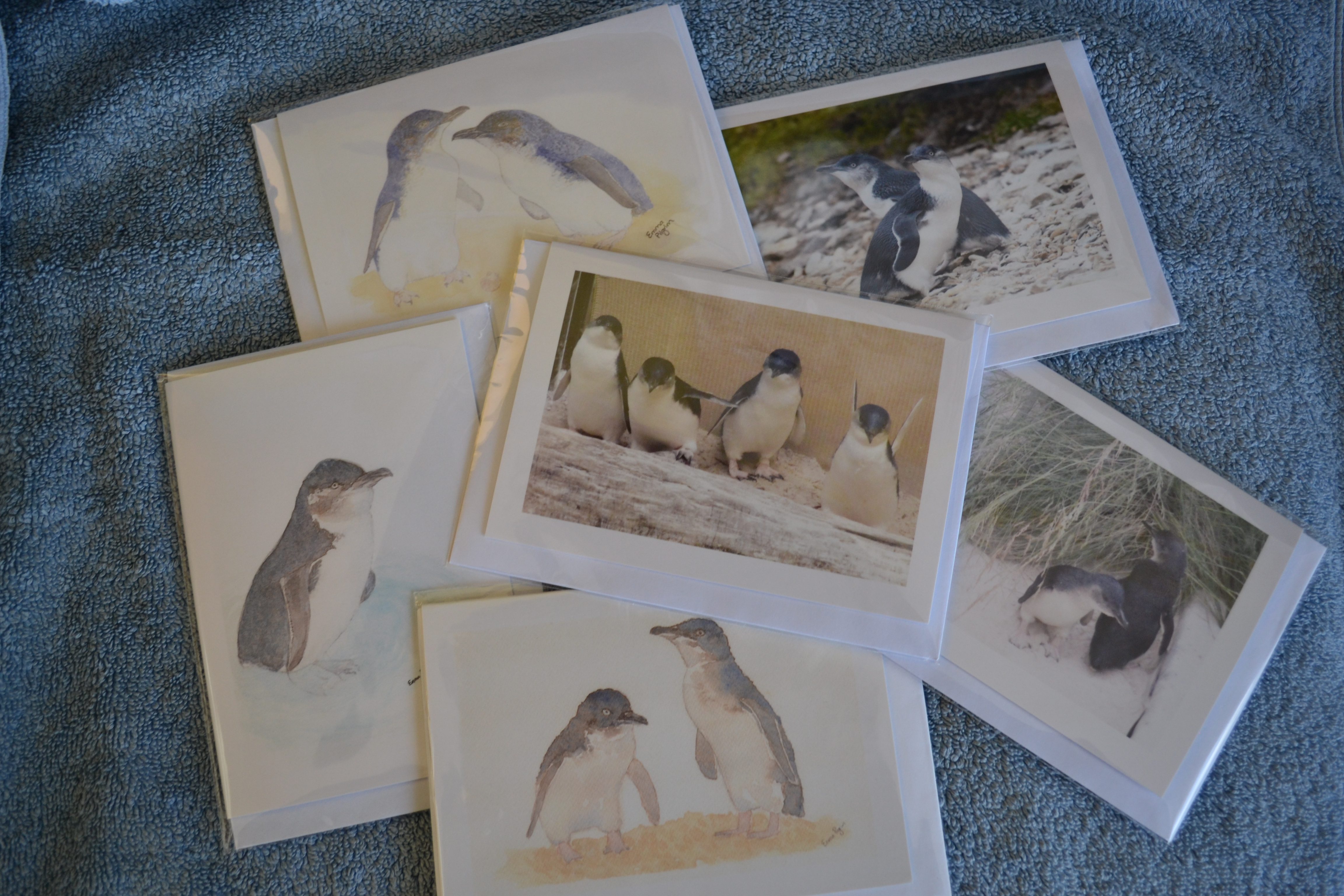
A little while after I started, we were selecting images for our fundraising cards, but most of our penguin photos weren’t really taken with fundraising in mind, so we didn’t have many strong options.
I didn’t say anything at the time, but after that shift I went home and picked up my brushes again.
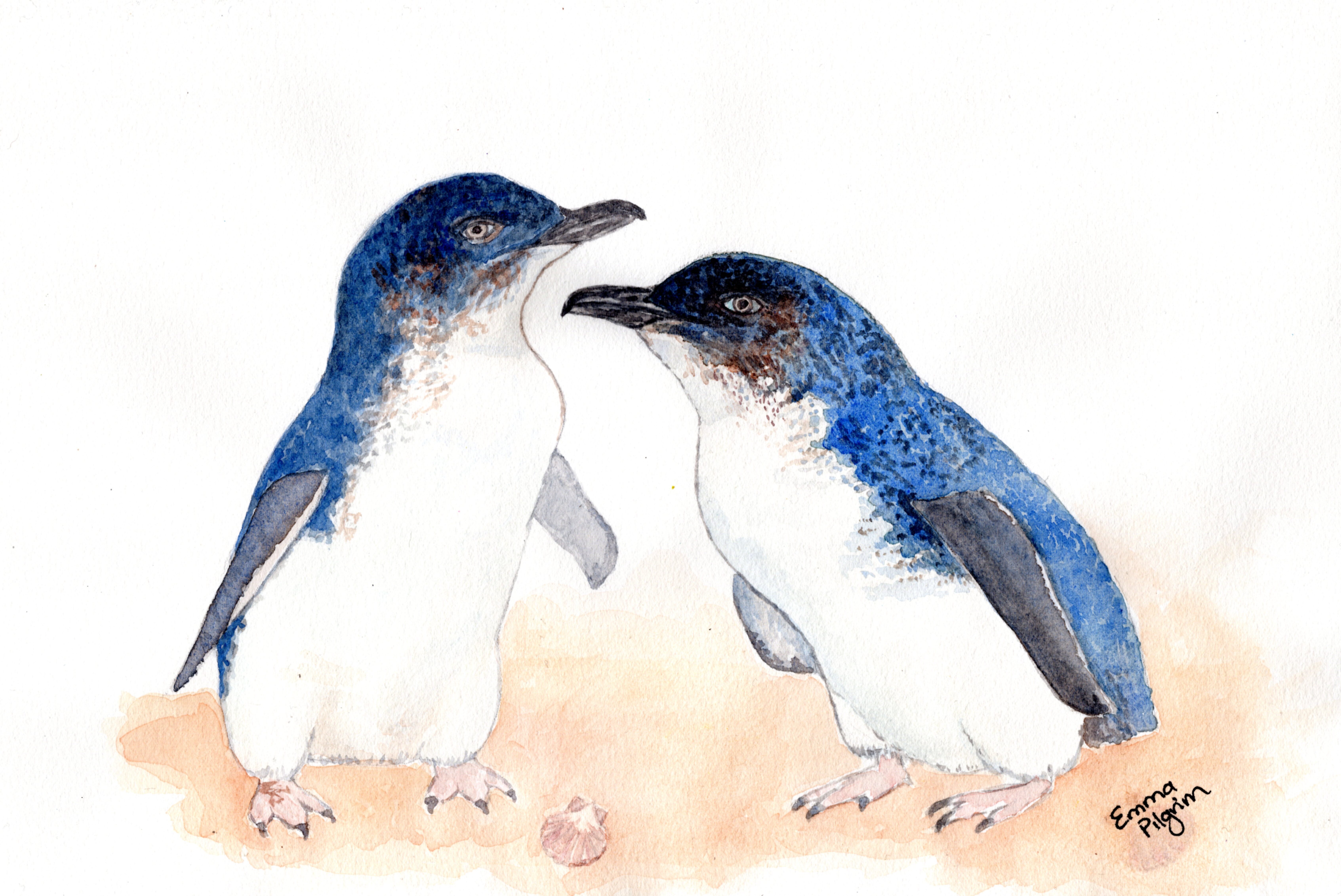
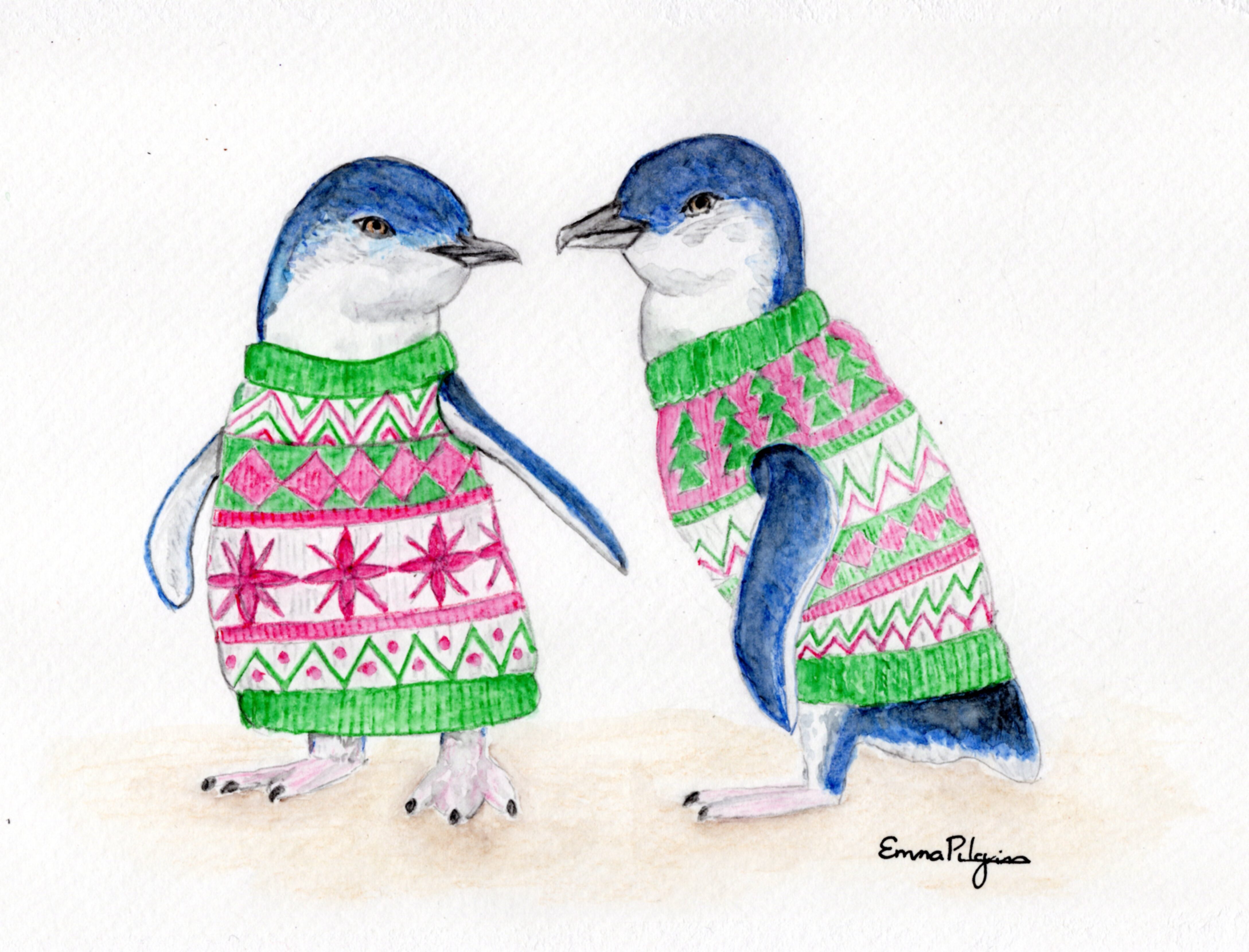
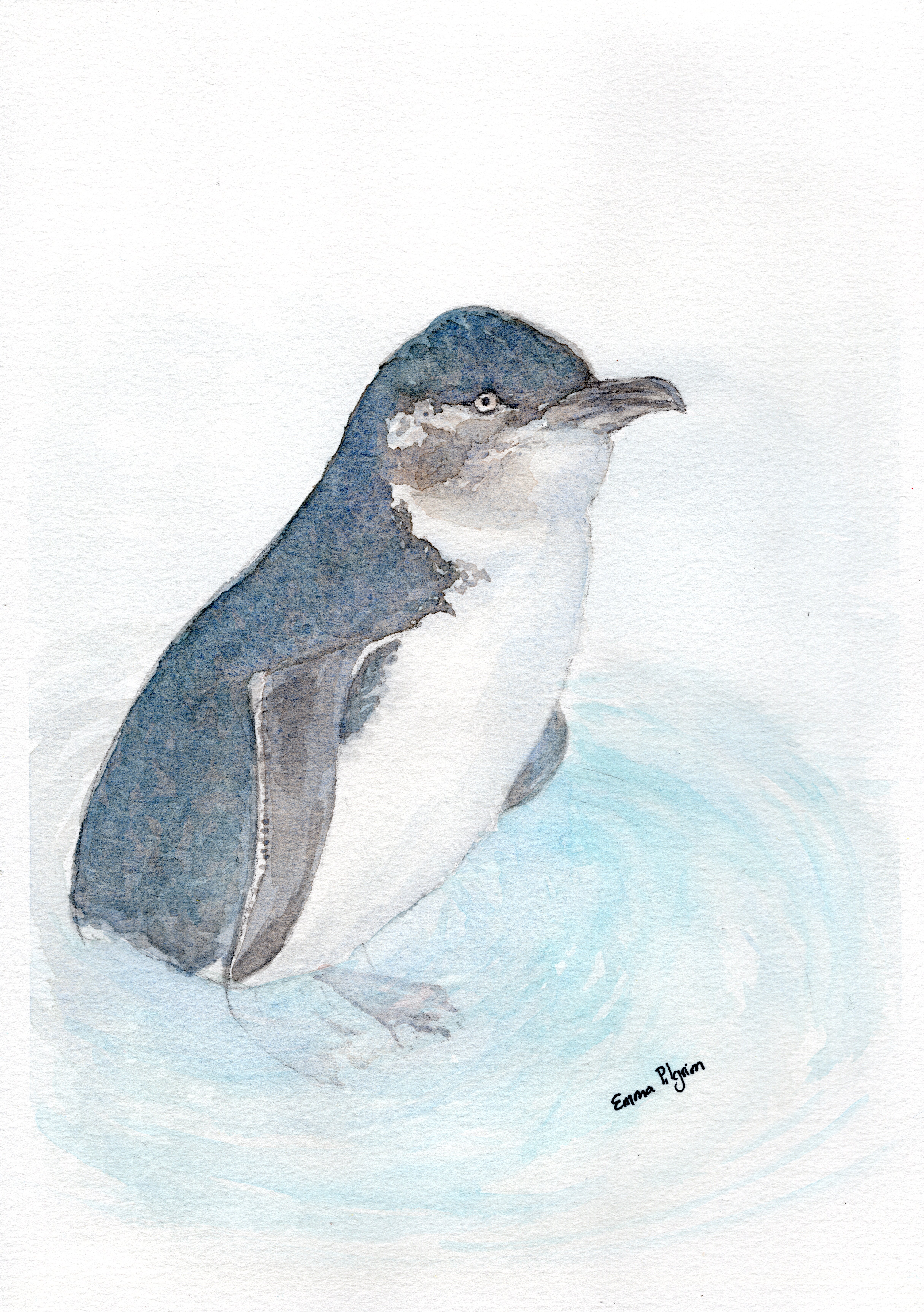
I painted two of the penguins we’d rehabilitated the year before, and it felt really natural and enjoyable.
I hadn’t painted in years and had never painted anything other than landscapes, so I wasn’t sure how it would turn out, but I was genuinely happy with the finished painting.
I was still a bit nervous when I proposed the painting as a possible card design, but I thought it was at least worth offering.
To my surprise the volunteers unanimously chose it as one of the designs.
We printed several hundred cards, and mine ended up being one of the most popular.
That experience gave me the confidence to keep painting and reminded me that my art could actually support the conservation work I care about.
Why Feedback and Critique for Artists Are Vital for Growth – Part 1
Why Art Feedback and Critique for Artists Truly Matter Art feedback and critique for artists are essential to every creative journey. Whether you’re a painter in Hobart, a ceramicist on the North...
Why Every Artist Needs a Facebook and Instagram Business Page – Part 1
Why It Matters to Have Facebook and Instagram Business Profile Pages There comes a point in every artist’s creative journey where simply sharing your work online isn’t enough. You start to notice...
How did your collaboration with Penguin Rehab and Release evolve from those early paintings into the broader partnership you’re part of now?
After that first painting was used on our fundraising cards, I gradually became the group’s ‘go-to’ artist.
It wasn’t something I set out to do, it just evolved naturally.
I was asked to help with a few practical things, like drawing handling diagrams for our bird rescue training as well as creating more penguin paintings for future card runs.
As time went on, I taught myself some basic digital design. Now I put together things like business cards, volunteer ID cards, presentations, brochures, and our penguin adoption
certificates.
Basically if something needs to be designed, I’m the one who’ll give it a go.
I just try to pitch in wherever I can — sometimes with varying degrees of success — but I enjoy being able to support the group in different ways, and it’s been really rewarding to see how my skills have become part of the organisation’s work.
What does this collaboration mean to you personally, both as an artist and as someone involved in wildlife care?
This collaboration feels very different from simply donating artwork to a charity I wasn’t involved with.
Because I’m part of almost every aspect of the work at Penguin Rehab and Release, I get to see firsthand the impact the organisation has and how fundraising money is
used.
I can see the tangible effects of my contribution in a way most artists wouldn’t be able to.
I also have the privilege of knowing the individual penguins I paint — their anatomy, their personalities, even little quirks.
That connection informs my artwork and makes it feel more meaningful.
It’s rewarding to contribute both as an artist and as someone who genuinely cares about the animals and the conservation work behind the scenes.
Peter Ellyard Crafts Living Art from Steel, Glass and Light
Peter Ellyard creates art where steel meets colour and sunlight, crafting lasting pieces influenced by Tasmania’s landscape and shifting skies.
Meet Colourist Robyn Malcolm
Meet Robyn Malcolm, a colourist whose expressive use of colour, pastel and oil reveals a lifelong creative journey from textiles to painting.
Do you have a favourite piece or moment from this collaboration so far — something that felt especially meaningful or affirming?
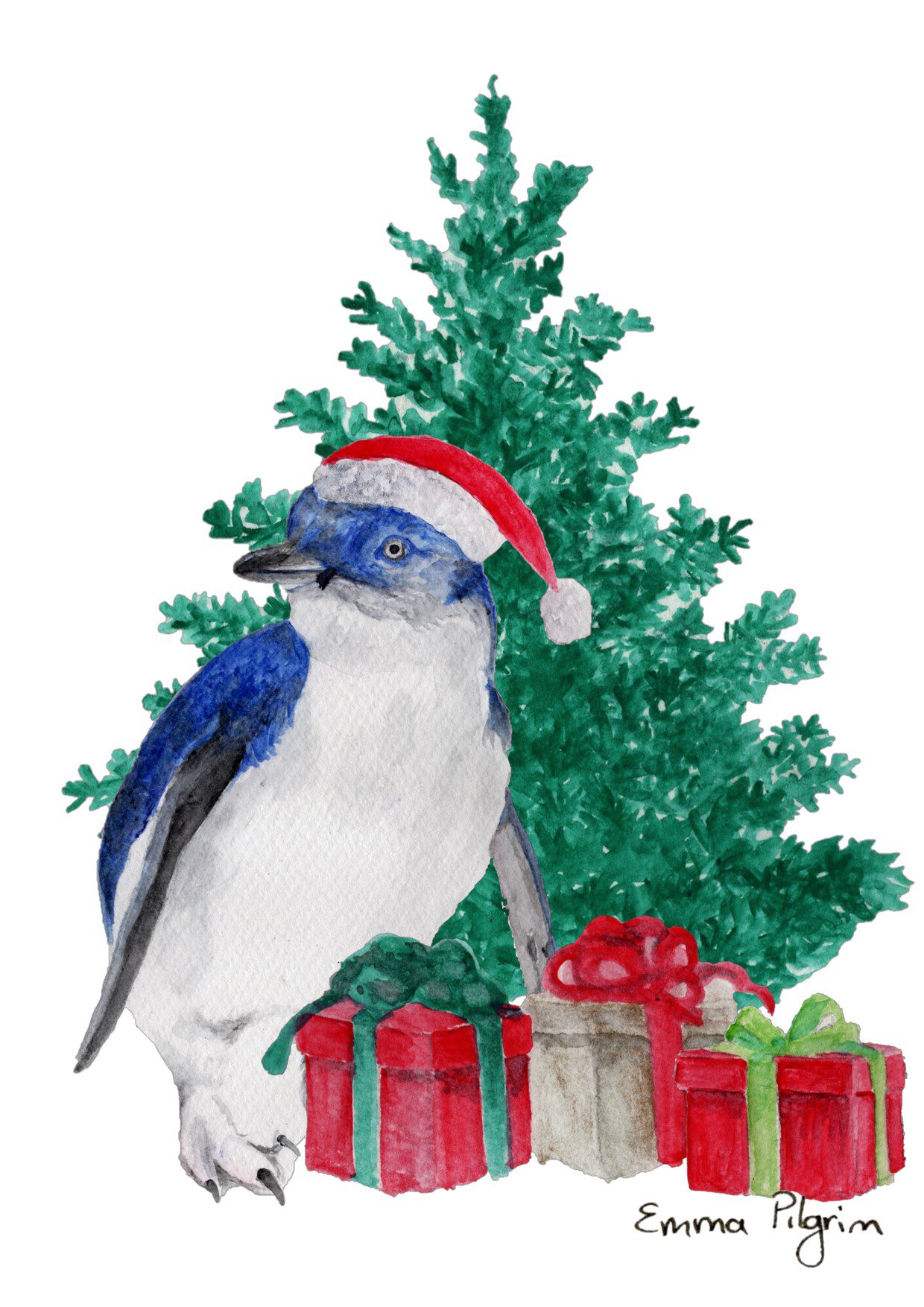
I don’t have just one piece that I’m most proud of, but if I had to pick a favourite artwork, it would be a portrait I did of a penguin named Arthur.
He was in care for a long time due to complex injuries, and it took a lot of dedication from our volunteers to get him ready to be back in the wild.
Arthur had an incredibly calm personality and was just a joy to be around — every volunteer who worked with him fell in love with him. Painting his portrait felt really
special, and it ended up being printed on our fundraising cards.
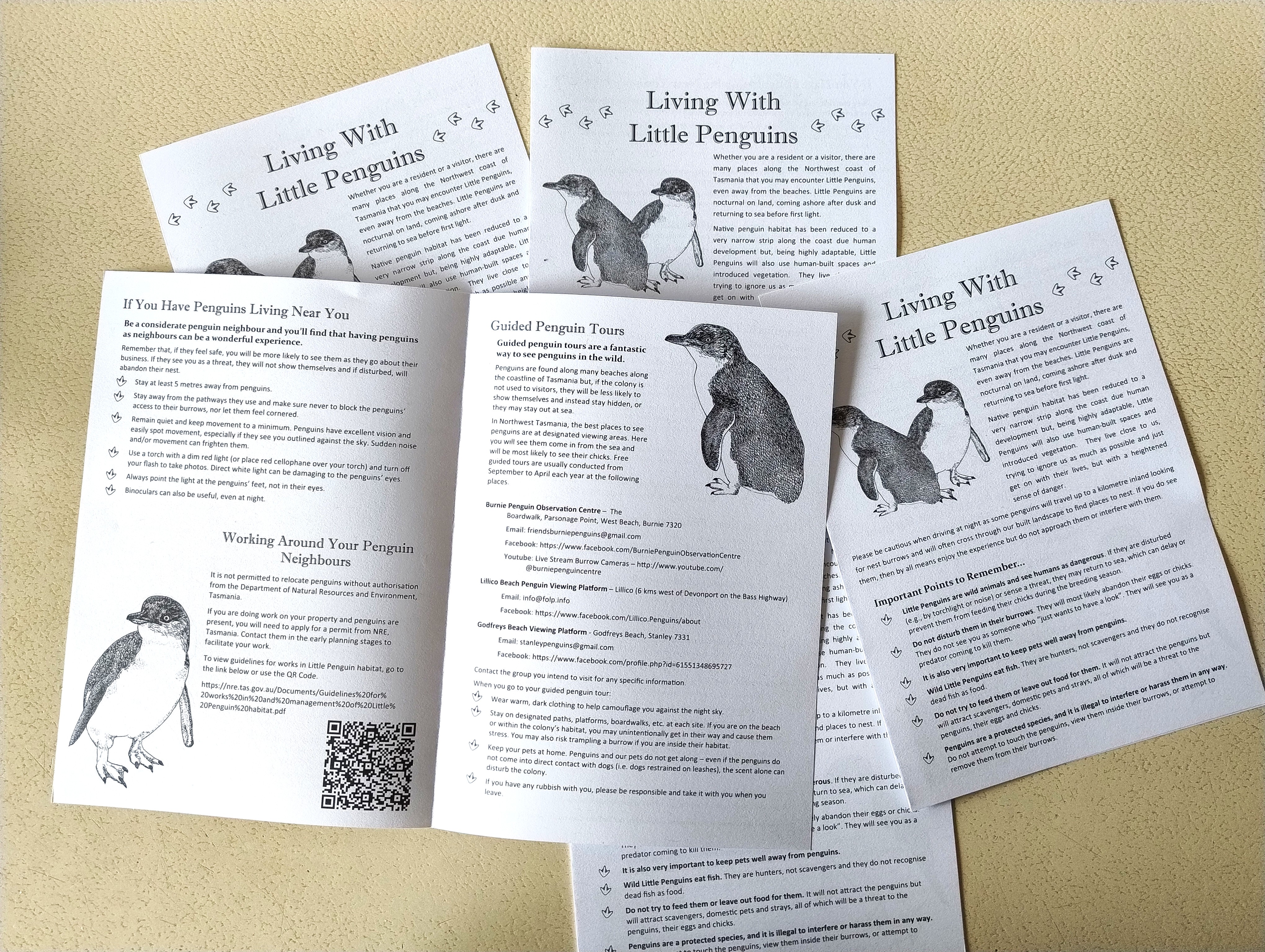
Another moment I’m especially proud of is seeing my artwork included in the Living with Little Penguins brochure, which has been distributed to over 4,000 homes in the region.
The brochure is a key tool in helping people share habitats responsibly and be good penguin neighbours. Knowing that my artwork is part of something that directly supports penguin conservation and community education has been incredibly meaningful to me.
For other artists thinking about working with a charity, what advice would you offer based on your experience?
Definitely do it. If there’s a charity that’s close to your heart and you have skills to contribute, it’s incredibly rewarding to get involved.
Smaller charities, in particular, often struggle financially, but that also means the money raised goes directly toward making a real difference as there’s very little spent on overhead or administration, so you can see the tangible impact of your work.
That said, be prepared: smaller charities often have more work than volunteers, so once you get involved, it can be hard to say no!
But for me, the experience has been overwhelmingly positive not just as an artist, but as someone who genuinely cares about the cause.
How to Give and Receive Feedback and Critique for Artists Effectively – Part 2
Learn practical ways to give and receive art feedback and critique for artists, with 10 tips to improve skills and nurture creative growth.
How to Make to Your Facebook and Instagram Business Pages Succeed – Part 2
Learn how to make your Facebook and Instagram business pages thrive. Get 8 practical tips for each platform to grow thrive, & promote your creative business.
How has working with a charity influenced your creative process, themes, or the way you think about your art more generally?
Before I painted that first pair of penguins, I hadn’t really painted birds, wildlife, or animals at all.
My earlier work was mostly watercolours of landscapes and buildings.
Once I started painting animals, I discovered it’s really my artistic passion.
There’s nothing I enjoy more than capturing the personality and details of the creatures I paint, and the more animals I paint, the more I enjoy it.
Working with Penguin Rehab and Release has also given me the confidence to share my artwork beyond my family.
The positive feedback I received when I shared my penguin
paintings has been incredibly encouraging and has helped me feel more confident in my identity as an artist.
What impact do you hope your artwork will have — on the charity, on the animals you support, and on the people who see or purchase your pieces?
I hope my artwork helps Penguin Rehab and Release remain financially able to continue their work.
The team does such important work, and it’s hard enough physically rehabilitating penguins without the constant pressure of fundraising at the same time.
I also hope my art helps people connect with the penguins that live near us.
If more people appreciate and value these animals, hopefully fewer penguins will need to come into care in
the first place.
If my paintings can highlight the beauty of these penguins and inspire that connection, I would consider that a real success.
Your story relates beautifully to the ideas in Explore Charity Collaborations for Community, Growth and Connection – Part 1. How has learning about other
artists’ experiences helped guide or encourage your own journey?
I’ve found it really encouraging to see this supportive community of artists.
I still sometimes hesitate to call myself an artist, especially since I don’t often sell my originals, and I can feel
like an imposter at times.
Reading about other artists’ experiences with charity collaborations made me realise that this is exactly what I’ve been doing for years — contributing my art in
meaningful ways.
It helped me see myself differently and feel more confident in my identity as an artist.
9 Fabulous Books for Makers
In our latest book review we dive into nine fabulous books to give loads of creative joy for makers with Art Trails Tasmania!
Discover 7 Arts and Crafts Books to Immerse In
Discover 7 inspiring and practical arts & crafts treasures in our book reviews series, from patterns to sketching nature to a successful artist career and more.
7 Inspiring Books to Ignite Your Creative Imagination
In this latest Book Review story we explore 7 inspiring books to ignite your creative imagination, from watercolour to fabric, sketching to colour theory & more!
About the Artist
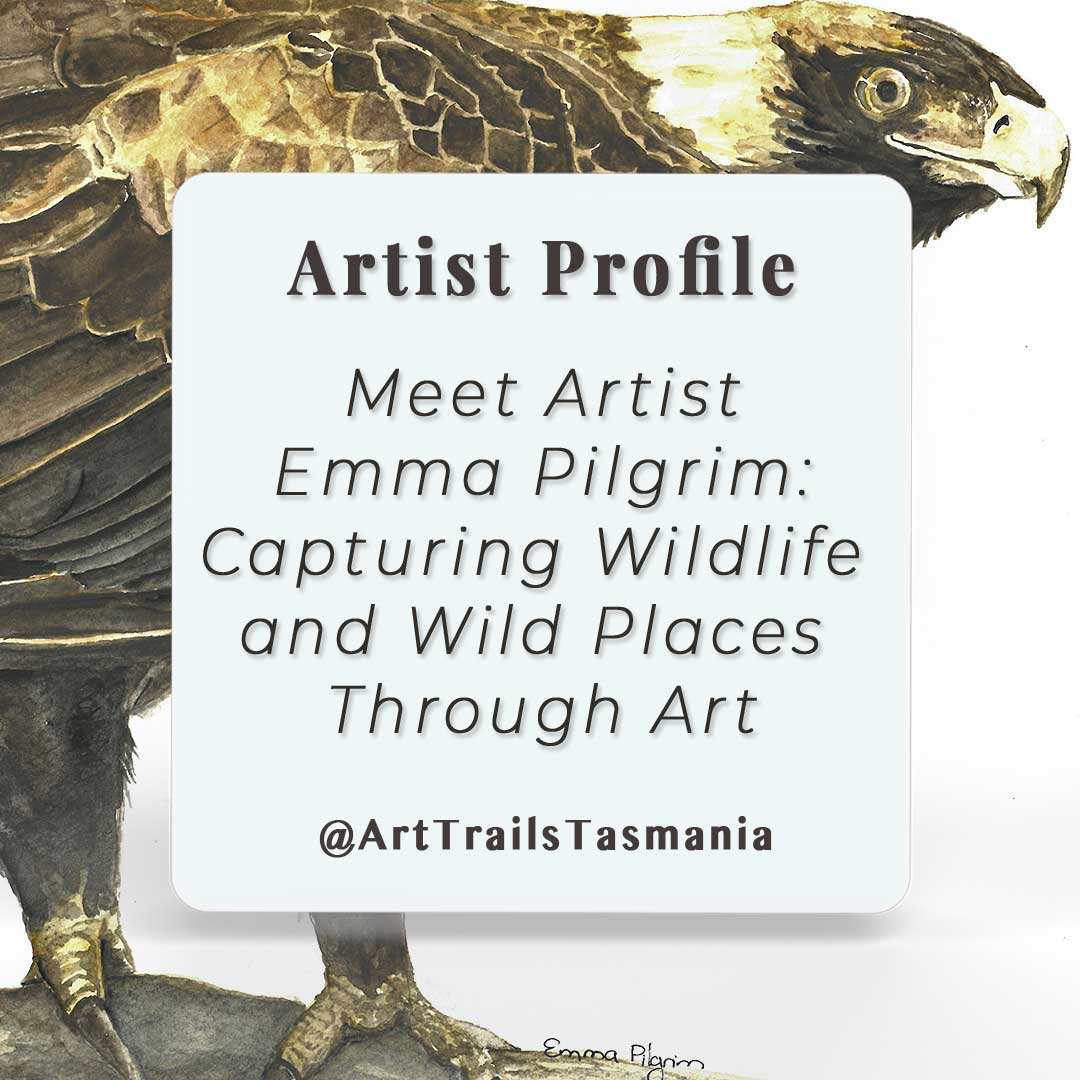
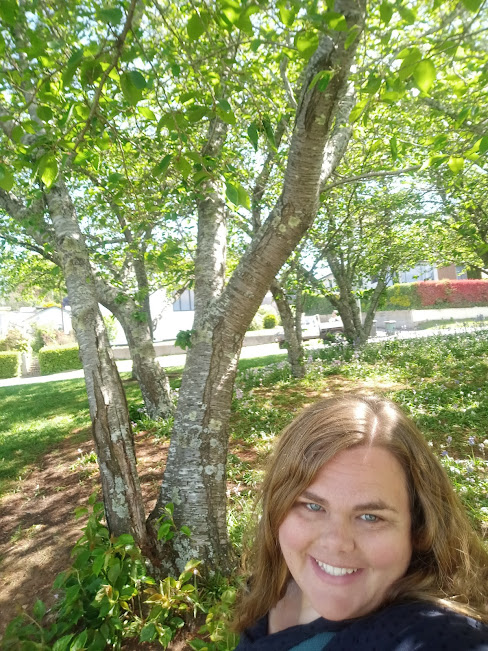
Emma Pilgrim is a watercolour artist based in Burnie, Tasmania.
Emma has a love for wildlife and wild places and her work focuses on capturing the beauty around her.
Follow Emma on Facebook and shop her beautiful artwork across a range of delightful products on Redbubble.
How to Flourish as An Exhibiting Artist


Read the Latest Blog Stories and Flourish…
How to Build a Sustainable Income Stream with Art Commissions – Part 2
Building Art Commissions into a Professional Income Stream Art commissions become a genuinely sustainable income source when they are treated as a structured service rather than a favour or an occasional add-on to your practice. Many artists accept commissions...
Why Art Commissions Are a Powerful Income Stream for Artists – Part 1
Why Art Commissions Matter More Than Ever Art commissions have become one of the most reliable and flexible income streams for artists who want to earn from their creativity without relying solely on galleries, exhibitions or unpredictable sales cycles. In a world...
The Launceston Art Society Calendar of Workshops
The Latest Calendar of Workshops with the LAS The Launceston Art Society is delighted to share with you an inspiring calendar of workshops! The workshops are from life drawing to oil painting to watercolour to coloured pencil. The workshops include, Life Drawing...
Meet Colourist Robyn Malcolm
A Focus on Colour and Expression I am primarily a colourist. Drawing and the application of colour are indistinguishable parts of my practice, not distinct acts. While I respond to the direct evidence of my senses, I’m more interested in expressing mood and emotion...
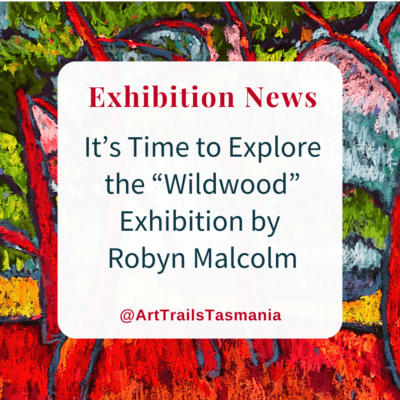
Wildwood Art Exhibition by Robyn Malcolm
Explore the "Wildwood" Exhibition by Robyn Malcolm WILDWOOD is an exploration of trees painted in exuberant colour from places which have inspired and captivated Robyn’s imagination. The exhibition features works done in pastel and oil paint, showing the depth of her...
The Poatina Tree Gallery Presents “Into the Land” Exhibition
Explore Creativity at the Poatina Tree Gallery "Into the Landscape" Exhibition Poatina Tree Art Gallery presents ‘Into the Land’, an exhibition by Tania Vrancic. The abstract paintings are inspired by Poatina and the foothills of the Great Western Tiers Mountains...
10 Small Daily Practices to See Life Through a Creative Lens Part 2
10 Creative Daily Practices to Make Your Own The creative spirit and creativity are not reserved for special moments or formal art-making; it can be nurtured every day through intentional, small practices. For makers, artists, and craft lovers, cultivating every day...
Fusion – Combining Paper with Fibre with Eszter Bornemisza Workshop
Textile Art Workshop to Inspire & Delight 2026 is kicking off our workshop year hosting the internationally famous Eszter Bornemisza with her fabulous experience in combining textiles and paper in interesting ways in art works. Her workshop coincides at Moonah...
10 Ways for Creative Workflow and Time Management to be Easy and Practical Part 2
Creating Making Time with Time Management Time management becomes genuinely useful only when creative people shape practical workflow systems that match their personalities, schedules, responsibilities and income streams. In this second part of the series, we focus...
Read What Our Members Say About Belonging
Join the growing, supportive artists community today and have your Artist story told here.
Belinda is doing a great job creating a professional looking artist hub online. Check out the profile I posted recently to see how well she does them. To all my artist friends let’s help make this THE go to place to discover local artists.
You won’t regret joining Art Trails Tasmania . It’s a welcoming community for creatives at any career stage.Becoming an Art Trails Tasmania member wasn’t a hard decision for me to make as it’s such a wealth of knowledge and support.Being member provides a quality way to showcase your creative endeavours and it’s quickly growing in reach.
We operate a home based picture framing business and recently joined Art Trails Tasmania as a means to giving us exposure to the wider artist community. We have almost immediately seen increase in activity thru our online sites, which I am certain will lead to more opportunities to grow our business.