Coming Together as an Art Group to Thrive
An art group or society can be so much more than a place to meet; it becomes a shared creative home where ideas, skills and friendships flourish.
For those running an art group or society, nurturing that sense of belonging while keeping things organised, financial and sustainable is both a challenge and a joy.
This story explores how an art group or society can thrive through skill sharing, workshops and exhibitions, meaningful connections and well-planned activities that bring people together in genuinely rewarding ways.
And in How to Promote and Grow Your Art Group Effectively – Part 2, we delve into practical ways to grow and promote events, including a handy Art Group Promotion and Organisation Checklist.
The Heart of an Art Group
At its core, an art group is about people. Whether it is a small circle gathering in a local hall or a larger art society with a full calendar of events, the essence remains the same: like-minded creatives coming together to make, learn and connect.
Running an art group means creating a space where members feel welcome to experiment, grow and share their artistic journeys without pressure or judgement.
For many, joining an art group is the first step towards finding a creative community. It offers reassurance that others are navigating similar challenges, whether that is mastering a new technique or simply finding the time to create.
Life Changing Friendships
The friendships that develop within an art group often extend far beyond the studio, forming a network of support that enriches everyday life. Art and craft groups are part of the cultural fabric of a town or city and play a vital role in having that beautiful sense of belonging.
I know from my own recent experiences with caring for my mum and her passing just how nurtured and looked after we both were by her friends in the local Spinners and Weavers group. My mum was a very active and friendly member of the group and was also well known by the guild and other neighbouring groups. The sense of belonging, of being valued and treasured gave both of us a strong connection to our local regional community.
A Place for Every Creative Practice
One of the joys of an art group is its diversity. There is no single definition of what an art group should be, and that is precisely its strength.
Some groups focus on traditional fine art disciplines such as painting and drawing, while others celebrate craft practices like spinning, weaving, pottery, ceramics, stitching, photography, quilting, knitting or crochet.
There are also writing and publishing groups, mixed media collectives and experimental creative communities exploring new forms.
This variety allows an art group to become a hub of shared knowledge.
Members bring their own skills and experiences, creating opportunities for informal teaching and learning.
A potter might demonstrate glazing techniques, while a textile artist shares tips on dyeing fabric. In this way, an art group becomes a living library of creative practice, constantly evolving through collaboration.
The Joy of Creating Together
There is something uniquely uplifting about creating alongside others. An art group provides that shared energy, where ideas flow more freely and motivation grows simply from being in the same space.
Even quiet sessions, where members work independently, carry a sense of companionship that is difficult to replicate alone.
For those running an art group, fostering this atmosphere is key. Simple gestures—like arranging tables to encourage conversation or allowing time for members to share their work—can make a significant difference.
The joy of creating together often leads to increased confidence, with members feeling encouraged to try new techniques or revisit abandoned projects. It also helps foster confidence to step up and be part of the committees that enable the groups and societies to operate.
Over time, this shared creativity strengthens the identity of the art group itself. It becomes known not just for what it produces, but for how it makes people feel, for being a friendly cohort of creatives.
Discover the Artist Hubs of the Huon Valley Studio Art Trail
Visit the Huon Valley Studio Art Trail to meet local artists, explore their techniques and discover the inspiration behind their work at new Artist Hubs.
Join the Workshops Waitlist
Be the first to know about the exciting calendar of workshops being held at the Art Trails Tasmania Art Farm when you join the waitlist.

Why Every Artist and Creative Business Needs a Clear, Simple Content Plan – Part 1
In Part 1 in our series on Content Planning we explore why having a clear and simple content plan is so important for your growing creative business.
How to Make Art Exhibitions Creative, Engaging and Profitable Part 1
Successful art exhibitions can be game changers for artists, galleries and art societies, so dive into Part 1 of our guide on How to make your art show a success!
How to Make the Most of Entering Exhibitions Like the Incognito Art Show
Discover how to make the most of the opportunity of entering the Incognito Art Show so you can grow your Artist Profile, find new supporters and buyers and flourish!
Exhibitions, Outings and Shared Experiences
A thriving art group extends beyond regular meetings. Group exhibitions are often a highlight, giving members the chance to showcase their work and celebrate collective achievements.
These events build confidence and provide a tangible goal for members to work towards.
Equally important are outings and shared experiences. Visiting exhibitions, attending open studio trails or travelling together to creative gatherings can deepen connections within an art group or society. These trips offer inspiration while reinforcing the sense of community.
Some art groups also organise their own workshops, inviting skilled members or external tutors to lead sessions. This not only enhances learning opportunities but also ensures that the art group remains dynamic and engaging. These events are also vital for fundraising for the group so not just running costs can be covered, but also creative supplies for group members to enjoy.
Why Events Matter for an Art Group
For those managing an art group, organising events is one of the most effective ways to enrich the member experience. Events such as workshops, exhibitions, participating in open studio trails and art retreats provide opportunities for growth, visibility and connection.
Workshops allow members to develop new skills, often under the guidance of experienced tutors. Exhibitions bring the art group into the public eye, attracting new members and supporters.
Participation in open studio trails connects the group with a wider creative network, while retreats offer immersive experiences that deepen artistic practice.
Beyond enrichment, events also play a practical role. They can serve as valuable fundraising opportunities, helping the art group be financial sustainable, as well as contribute to community causes such as bushfire or flood relief while supporting its own sustainability.
Reaching the Right Audience
Even the most thoughtfully planned event needs an audience. For an art group, effective promotion is essential to ensure that events are well attended and impactful.
This means connecting with people where they already spend their time, both online and in person.
An art group might promote events through its website, social media platforms such as Facebook and Instagram, and regular newsletters. Consistency across these channels helps build recognition and trust. Clear messaging, engaging visuals and timely updates all contribute to a stronger presence.
Offline promotion remains equally valuable. Posters in local cafés, mentions on community radio and collaborations with other organisations can significantly extend reach.
The key is to meet potential participants in familiar spaces, making it easy for them to discover what the art group has to offer.
As well as managing its own promotion, an art group can benefit greatly from having others help share what it is doing—through radio interviews, guest blog posts and partnerships with associations and projects such as Art Trails Tasmania.
The Launceston Art Society, for example, has found that by having its Calendar of Workshops promoted by Art Trails Tasmania across social media, a community newsletter, blog and website, it has sold more workshop tickets, grown membership and even discovered workshop leaders from within the wider Art Trails Tasmania community itself.
Making Marketing Manageable
For many art group committees, marketing can feel overwhelming. However, focusing on simple, practical systems can make a significant difference. Tools such as checklists, templates and standardised forms help streamline the process, ensuring that nothing is overlooked while making it all much faster and easier to do.
QR codes are another useful addition, allowing people to quickly access event details or booking pages. This small step can greatly improve accessibility, particularly during in-person events or exhibitions.
Consistency is vital. When an art group maintains a cohesive digital presence—across its website, social media and newsletters—it becomes easier for audiences to recognise and engage with its activities. Over time, this builds a reliable and professional image. It will also grow the number of newsletter subscribers and social media followers.
Collaboration also plays an important role. Partnering with other organisations or creative projects can amplify an art group’s reach. Whether through shared promotions, guest blog posts or joint events, these connections strengthen the wider creative ecosystem.
Learning from Shared Success
Many art groups have seen tangible benefits from collaborative promotion. For example, when a group’s workshops are shared across multiple platforms—such as social media, blogs and community newsletters—they often reach a much broader audience.
This increased visibility can lead to higher workshop attendance, growth in membership and even the discovery of new tutors within the creative community.
It demonstrates that an art group does not need to operate in isolation; by working together, groups can achieve far more than they could alone. It also means that a larger like-minded audience is reached for the art group.
Building Relationships
Building relationships with related projects or associations also proves valuable when applying for grants. Art Trails Tasmania has helped members with Letters of Support for members to help strengthen applications, with the intent of increasing the likelihood of securing funding for events or artist residencies. In this way, being part of a connected art group community becomes a powerful asset.
The Practical Side of Running an Art Group
While creativity is at the heart of every art group, practical considerations cannot be ignored.
Ensuring financial sustainability is essential for long-term success. Events, particularly workshops, often provide a vital source of income that helps cover ongoing costs.
An art group typically faces a combination of fixed and variable expenses. Venue hire is often the most significant cost, whether for regular meetings, classes or exhibitions. Storage and utilities may also need to be considered, depending on the group’s setup.
Materials and supplies form another major expense. Consumables such as paints, clay, fabric and paper need to be replenished regularly, while tools and equipment—ranging from sewing machines to pottery wheels—require maintenance or replacement over time. Safety equipment is equally important, ensuring that all activities are conducted responsibly.
Administrative costs are also part of running an art group. Public liability insurance is essential, protecting both members and organisers. There may be fees associated with incorporation, subscriptions to guilds, networks and associations, compliance and reporting, as well as ongoing expenses for communication tools, printing and website hosting.
Peter Ellyard Crafts Living Art from Steel, Glass and Light
Peter Ellyard creates art where steel meets colour and sunlight, crafting lasting pieces influenced by Tasmania’s landscape and shifting skies.
Meet Colourist Robyn Malcolm
Meet Robyn Malcolm, a colourist whose expressive use of colour, pastel and oil reveals a lifelong creative journey from textiles to painting.
Valuing Skills and Expertise
An art group thrives when it values the skills of its members and collaborators. Paying tutors and guest artists fairly is an important part of this. Workshop fees often cover not just the teaching time, but also preparation, setup and cleanup.
There may also be costs associated with hiring curators, speakers or other professionals to support exhibitions and events. In some cases, groups need to consider superannuation or other obligations, depending on how instructors are engaged.
Recognising the value of expertise helps maintain a high standard of programming within the art group. It also fosters a culture of respect and professionalism that benefits everyone involved.
10 Helpful Tips to Grow Your Blog Audience and Flourish Part 2
In Part 2 of our series we dive into 10 very practical tips and insights on how to grow your blog audience to flourish creatively and financially.
8 Elements Needed For Your Successful Content Plan – Part 2
In Part 2 in our series on Content Planning we go through the vital 8 elements needed to craft your own successful Content Plan.
15 Practical Ways to Effective Promote Your Art Exhibitions Part 2
In Part 2 of our series on how to have successful art exhibitions we delve into 15 practical ways to effectively promote your art show for the best results.
Marketing and Logistics
Promoting an art group’s activities involves both creativity and planning. Advertising costs might include social media campaigns, printed flyers or listings in local publications. Investing in quality marketing materials—such as graphic design and photography—can significantly enhance the group’s visibility.
Having checklists and well designed templates for promotional materials such as social media, newsletter and website content and printed flyers can save on time and money.
Logistics are another important consideration. Transporting artworks, tools and materials requires careful coordination, particularly for exhibitions or off-site workshops. Travel and accommodation expenses may also arise when hosting visiting tutors or attending events.
By planning ahead and allocating resources wisely, an art group can manage these challenges effectively while delivering memorable experiences for its members and audience.
In Part 2 of this series we go into more detail about how to simplify this with useful tools, making the actions and efforts for committee members easier.
Building a Sustainable Future
Ultimately, the goal of any art group is to remain vibrant and sustainable. Financial stability plays a crucial role in this, allowing the group to continue offering opportunities for creativity and connection.
Events that generate income can help offset costs, reducing reliance on membership fees and keeping them affordable.
A sustainable art group contributes not only to its members but also to the wider cultural and general community.
It becomes part of the cultural landscape, offering spaces for expression, learning and collaboration. Over time, it builds a legacy that extends far beyond individual projects or exhibitions.
The creative events such as workshops and exhibitions, when promoted to a broader audience, acts as a form of arts tourism, bringing people from further afield to the area. It means that both the art group and local small businesses benefit.
For those running an art group, this is both a responsibility and a privilege. By balancing creativity with practical planning, it is possible to create a thriving, enduring community that supports artists and enriches lives.
Where Creativity and Community Come Full Circle
An art group thrives when creativity, connection and thoughtful organisation come together in balance.
By fostering shared experiences, supporting members and embracing simple, effective systems, any art group can grow into a vibrant and sustainable community.
From workshops to exhibitions, every effort contributes to something meaningful. In the next story, How to Promote and Grow Your Art Group Effectively – Part 2,, we explore how embracing collaboration and digital tools can further elevate your art group and expand its reach in ways that truly benefit you plus share with you the Art Group Promotion and Organisation Checklist PDF download.
Read the Latest How To Blog Stories
How a Blog Builds Your Creative Artist Profile and Income – Part 1
How A Blog Can Make All the Difference A blog is a powerful tool for artists, makers, and groups looking to grow their creative profile and support income-generating activities. It helps promote exhibitions, sell work online, attract workshop bookings, and showcase...
8 Elements Needed For Your Successful Content Plan – Part 2
The 8 Essential Elements for Making a Successful Content Plan A content plan is your creative map for sharing your work with confidence, ease and clarity. This is Part 2 of our two-part series on creating a content plan for artists, makers, galleries, art groups and...
Why Every Artist and Creative Business Needs a Clear, Simple Content Plan – Part 1
How to Make Sense of Content Plans A content plan is the key to sharing your creative work and business with ease and confidence, across all your platforms and projects. This is Part 1 of a two-part series on content planning for artists, makers, galleries, event...
15 Practical Ways to Effective Promote Your Art Exhibitions Part 2
15 Practical Ways to Promote Your Art Exhibitions In Part 1 on how to make your art exhibitions successful we looked at the features, elements and ways to create an engaging, vibrant and profitable event. Here in Part 2 we delve into the all important promoting and...
How to Make Art Exhibitions Creative, Engaging and Profitable Part 1
How to Make Art Exhibitions Enjoyable, Profitable and Vibrant Creating successful art exhibitions means more than just hanging work on a wall. And when done well, all involve benefit creatively, financially and professionally. As with all things in life it is much...
How to Make the Most of Entering Exhibitions Like the Incognito Art Show
Making the Most of Exhibiting in Events Like the Incognito Art Show The Sydney-based Incognito Art Show is now Australia's largest annual art show. It is open to any artists intersted in taking part. It is an event where artists anonymously donate postcard-sized...
Read the Latest Blog Stories and Flourish…
Calendar of Knitted Wire Bracelet Workshops
Have Fun Making Knitted Wire Bracelets This is a beginners knitted bracelet lesson. Learn how to knit your own bracelet or for a special gift. You will be using wire and seed beads in this lesson it is how to use the wire and hold the beads in place. You must know to...
Members’ Reward: Workshop Call Out
Send in Your Workshop Ideas I'm delighted to be sharing this first Members’ workshop call out with you! As I’m getting closer to setting up the Art Trails Tasmania workshop space it is time to open up applications for running workshops as I prepare for an entire...
12 Gentle and Helpful Ways to Let Nature Guide Your Creative Practice – Part 2
Exploring Your Creativity with 12 Gentle Ways Explore your creativity by allowing your surroundings to become a steady and generous source of inspiration, where even the most familiar details begin to reveal new possibilities when you slow down enough to notice them. ...
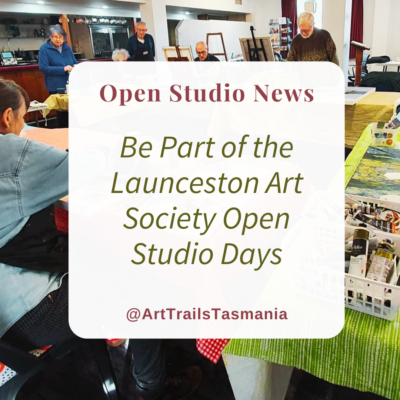
Be Part of the Launceston Art Society Open Studio Days
Come Along to Open Studio Days Open studio sessions are the perfect way to explore your curiosity about art without pressure. If you’ve ever wanted to try creating but didn’t know where to begin, this is your invitation to step in and start with the Launceston Art...
Creative Play with Acrylics Workshop
Explore the Creative Play Workshop with Annette Fuller A gentle invitation back to your creativity playing with acrylic paints. This relaxed, supportive workshop explores colour, texture and intuitive expression in a non-judgmental, no-pressure space. No experience...
How Nature Shapes the Way You See, Feel and Imagine Part 1
Explore Your Creativity with Nature as Your Muse Explore your creativity by letting yourself soften into the quiet presence of the natural world, where shifting light, textured surfaces and gentle rhythms begin to speak in ways that feel both grounding and expansive....
Emma Smith Trickett Walks with Trees Through Relational Ecological Art
Meet First Nations Artist Emma Smith Trickett In my arts practice I explore intersubjective relationship with green environments. I am looking to not represent how these environments appear didactically, but my relationship to them and the experience of being in...
Coloured Pencil Workshop with Marilyn Theisel
Marilyn Theisel Advances Colouring Technique Join Tasmanian artist Marilyn Theisel for an engaging coloured pencil workshop exploring advanced techniques through layering, light and colour. Suitable for continuing and curious artists alike, this workshop offers a...
12 Practices to Explore Your Creativity with Intentional Joyful Constraints – Part 2
12 Mindful Practices for Exploring Your Creativity with Clarity and Joy Explore your creativity by intentionally choosing constraints that support focus, mindfulness and enjoyment, rather than waiting for ideal conditions to appear. In Part One, we explored why...
Read What Our Members Say About Belonging
Join the growing, supportive artists community today and have your Artist story told here.
Belinda is doing a great job creating a professional looking artist hub online. Check out the profile I posted recently to see how well she does them. To all my artist friends let’s help make this THE go to place to discover local artists.
You won’t regret joining Art Trails Tasmania . It’s a welcoming community for creatives at any career stage.Becoming an Art Trails Tasmania member wasn’t a hard decision for me to make as it’s such a wealth of knowledge and support.Being member provides a quality way to showcase your creative endeavours and it’s quickly growing in reach.
We operate a home based picture framing business and recently joined Art Trails Tasmania as a means to giving us exposure to the wider artist community. We have almost immediately seen increase in activity thru our online sites, which I am certain will lead to more opportunities to grow our business.