Creating More Time for Making with Time Management & Worksflows
Time management may feel counterintuitive to creative people, yet effective organisation genuinely frees artists to produce richer ideas, finish projects and build sustainable creative businesses.
For artists juggling commissions, paid employment, workshops, exhibitions and online selling platforms, structured workflow becomes a crucial enabler rather than a restrictive business tool.
Many artists and makers enter creative business because they love the work, not because they want to spend hours scheduling, planning and managing tasks.
Yet it soon becomes obvious that developing a creative living brings responsibilities far beyond making.
Realities Involved in Thriving
Artists teaching workshops must plan materials, bookings and marketing.
Sellers on Etsy, Redbubble, Spoonflower and Bluethumb must juggle listings, stock, postage, updates and customer communication.
Makers selling through markets and fairs must prepare display equipment, pricing, stock and transportation.
Meanwhile, many creators are also balancing part-time jobs that support their financial security while their business grows.
With so many commitments demanding attention, productivity becomes more than a buzzword. Time management gives creative people a framework capable of supporting their ideas, ambitions and wellbeing over the long term.
Why Artists Resist Time Management
Many creative individuals initially resist structure because they believe spontaneity powers imagination more than routine does.
They want to follow inspiration rather than timetables. They love the feeling of losing hours inside the work, and they worry that schedules will flatten the magic behind creativity.
Artists who began their business from a place of passion often feel that planning belongs to corporate or government life.
They may have left formal employment to escape structure, only to rediscover that their business requires organisation to survive.
As income diversifies through classes, exhibitions, online shops and custom commissions, every new opportunity multiplies the number of decisions to manage.
This is why misunderstanding about time management becomes damaging.
People fear that structure will silence creativity, not realising that chaos and guesswork quietly steal far more energy, time and confidence.
Poor Planning Harms Creative Livelihoods
Without intentional workflow, stress builds quickly. When deadlines feel unpredictable, exhibitions become overwhelming, workshops run late, website builds stall, and communication suffers, emotional pressure escalates.
Missing dispatch windows on online orders damages reviews. Forgetting paperwork causes tax stress. Forgetting to rest leads to burnout.
Artists working full time in employment and part time on their creative practice experience genuine exhaustion when planning is weak.
Their evenings become chaotic rounds of half-finished tasks and rushed decision making.
Artists working full time in their creative business are equally vulnerable, because growth brings constant demand and new responsibilities that expand faster than energy reserves.
Poor planning breeds inconsistency, missed deadlines, lost opportunities and avoidable financial mistakes.
It creates emotional doubt, because lack of structure hides progress and confuses priorities. Over time, this can fracture confidence, making creative people feel they are not capable or organised enough to succeed.
Good Structure Protects Creative Energy
When workflow becomes intentional, energy changes. Good time management reduces stress, encourages clarity and transforms the creative week into something manageable rather than exhausting.
Artists save emotional fuel because routines remove thousands of small decisions that otherwise wreck concentration.
They stop wasting hours wondering what to do first. They stop postponing tasks that feel complicated. They stop relying on memory to hold every responsibility, idea and deadline.
These systems support artists selling on Etsy or Redbubble because they know exactly when to photograph work, update listings or order packaging.
Makers preparing for markets and fairs know when to create stock, arrange stall fees and prepare transport lists.
Teachers running workshops know when to market events, order materials and organise venues.
Suddenly, creative business feels calmer and more predictable.
7 Ways a Grassroots Artist Group Can Fundraise
This skills sharing story is all about helping grassroots artist groups and societies fundraise for a sustainable future.
Empowering Artists: Unleashing Creative Potential Through Print On Demand Stores
Discover the boundless potential of creative expression with print-on-demand stores in our latest blog post. Explore how artists are empowered to showcase their talents and reach a global audience through these innovative platforms. Unleash your artistic vision and transform it into reality today!
Basic Website Mistakes to Avoid
Here are the basic website mistakes I’m noticing with our artists’ websites and the simple solutions to make it work better for you.

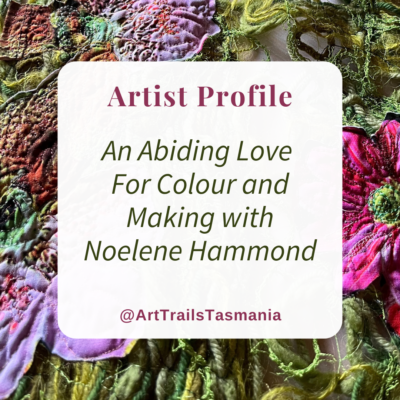
An Abiding Love for Colour and Making with Noelene Hammond
Noelene Hammand’s love of colour began in art galleries. Now, from her studio by the Tamar, she creates vibrant works with wool, beads, and bold textiles.
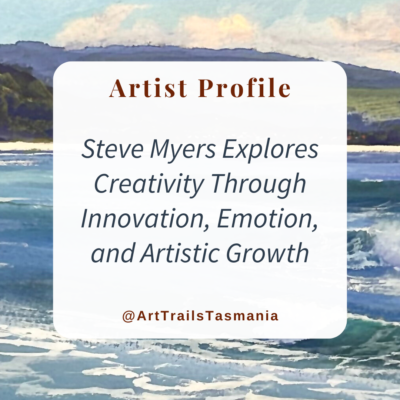
Steve Myers Explores Creativity & Artistic Growth
Meet Steve Myers as he explores creativity, innovation, emotion and artistic growth in his Art Trails Tasmania Artist Profile.
Workflow Builds Clarity, Focus and Confidence
Strong workflow systems, shaped around time management, grant immediate clarity because they show what work needs doing and when to begin.
Priorities become visible. Task lists become achievable. Time feels purposeful rather than rushed.
This clarity supports wellbeing because it protects headspace, reducing the noise of constant thinking.
Makers balancing another career find that structure gives them freedom, because evenings and weekends have direction rather than confusion.
Full time artists feel safer experimenting, because admin no longer dominates every hour of their working week.
Confidence grows when progress becomes visible. Seeing tasks completed builds trust in personal ability and direction, turning vague goals into real growth.
Workflow Helps Creative Business Remain Sustainable
A creative business contains more moving parts than most people realise. Artists must:
- produce work,
- photograph pieces,
- handle social media,
- manage finances,
- pack orders,
- answer emails,
- order supplies,
- build websites,
- travel,
- teach,
- market upcoming products and events,
- and prepare for exhibitions.
None of these responsibilities simply vanish because someone is talented. Without systems, artists drown in constant mental administration, risking burnout and stalled momentum.
Time management and workflow allow creative people to sort tasks into simple, repeatable processes that suit their personal rhythms and lifestyles.
Instead of holding everything in their heads, they build practical systems supporting the creative output they love.
Time Systems Increase Freedom, Not Restriction
Structure sounds restrictive, yet the truth is the opposite. The more artists design workflow that fits their personalities and goals, the more creative space appears.
Instead of waking up panicked about shipping times, tax preparation or forgotten orders, creators feel steady and ready to explore ideas.
Artists thriving on platforms like Spoonflower or Patreon understand this shift rapidly.
Regular posting schedules, weekly planning and batching tasks improve output and reduce anxiety because creators know what to expect.
Workflow helps creativity flourish because it gives imagination space to breathe. It stops energy draining through panic, confusion and wasted motion, allowing deeper focus and more meaningful artistic development.
Time Management Evolves Into Full Workflow Design
Many creative individuals begin organising their business using very basic time management tools, often through marketing calendars or weekly lists.
That approach works early on, but long term success requires broader workflow planning that connects the entire business ecosystem.
This is where content planning becomes powerful. It moves beyond writing social posts into designing long form strategy across workshops, exhibitions, launches, commissions and online sales.
This expanded workflow supports growth across your website and platforms like Etsy, Spoonflower or Bluethumb because direction replaces random activity.
Time becomes valuable rather than frantic, and effort strengthens outcomes rather than scattering energy.
It Takes Effort To Build Personalised Workflow
It is important to acknowledge that developing good workflow takes time.
Artists must experiment with digital devices, paper planners, project management tools and personal routines to find systems that actually support their creative brain.
Decision making becomes easier only once the foundations exist.
However, the reward is lasting. Workflow eventually turns into a supportive partner that tells you exactly what to do, saving you time, energy, tension and emotional overwhelm.
Time management clears the fog. It removes self-doubt. It frees headspace. Most importantly, it supports consistency, which is essential for any creative income stream.
For the development of Art Trails Tasmania, the workflow tools are constantly evolving. They have been prioritised based on each project that’s been developed and launched.
For example, this website had a lot of planning in the lead up to it being built, which included looking at what’s needed for keeping maintenance simple and effective.
This also involved figuring out consistency in image format and size as well as a template so each can be made quickly.
Hence the decision to go with an Instagram square for the featured image for blog stories that is used across both Facebook and Instagram as well as the newsletters.
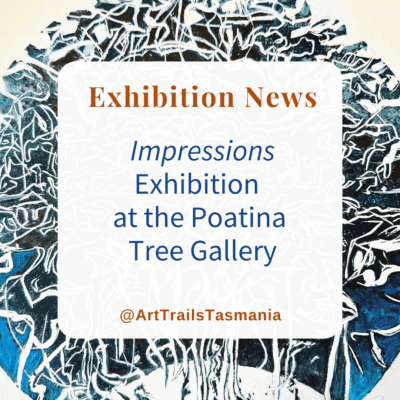
Impressions Exhibition at the Poatina Tree Gallery
Come discover the inspiring “Impressions” exhibition featuring the Newfields Printmakers at the Poatina Tree Gallery, the perfect creative day trip!
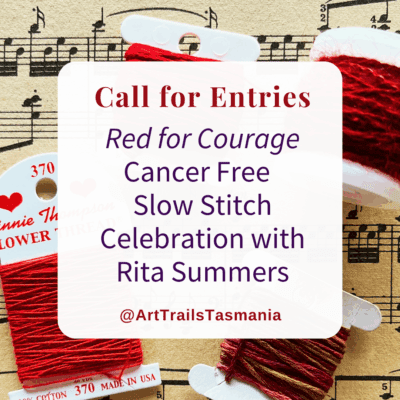
Red for Courage Slow Stitch Celebration with Rita Summers
Be part of this unique call for entries as Rita Summer celebrates being free of cancer with her “Red for Courage” exhibition and send in your slow stitch entries!
How to Set Up Your Website for Workshops and Events Success
How to setup your arts & crafts website so you can get more bookings for your workshops, events, courses & classes in this Members Only Art Trails Tasmania story.
How to Be Part of 3 Bonus Curated Blog Stories When You Renew Your Membership
Enjoy being part of three curated blog stories featuring artists sharing their perspectives on key questions when you renew your membership with Art Trails Tasmania.
Why This Series Matters For Creative People
This article forms the first chapter of a two part series exploring why workflow and time management empower artists and makers.
Here, we have focused on the psychology and purpose behind structure, explaining why organisation enhances creativity rather than suppressing it.
The second article shares the practical detail:
- how to design studio schedules,
- how to batch admin tasks,
- project-management approaches,
- recommended habits and workflow tools,
- and routines that balance making, marketing and rest.
That article also includes twelve useful tips created specifically for artists running workshops, producing stock for markets, selling online or managing hybrid careers.
It will show you exactly how workflow can support revenue goals, artistic development and wellbeing across the year.
Nurturing Your Creative Muse with Time Management
Creative work is emotional, demanding and deeply fulfilling. Yet creative business only thrives when it rests upon supportive workflow and clear time management systems that protect energy, direction and consistency.
By choosing structure, artists earn more space to think, imagine and play. They gain the stability needed to explore new skills, produce ambitious work and diversify income without collapsing under pressure.
Workflow protects ideas. Time planning protects wellbeing. Organisation protects creative identity.
This series aims to help you shape a creative practice that feels sustainable, profitable and imaginative, whether you are selling handmade ceramics on Etsy, teaching textile workshops, exhibiting paintings at markets, building a Patreon community or balancing creative work alongside employment.
When time becomes intentional rather than accidental, creativity becomes richer, capacity expands and artists gain the confidence to pursue their craft with purpose and joy.
Read the Latest How To Blog Stories
15 Ways to Make Patreon Work for Artists
How to Setup and Run a Successful Patreon Profile Patreon is a membership platform that provides a way for creators to earn money from their work by building a direct relationship with their fans or supporters. The platform allows artists, writers, musicians,...
7 Ways a Grassroots Artist Group Can Fundraise
How Your Grassroots Artist Group or Society Can Be Finanically Sustainable A common theme I hear from members is just how important it is to be part of a local grassroots art group that meets regularly. The creative benefits of belonging to art societies and groups...
Empowering Artists: Unleashing Creative Potential Through Print On Demand Stores
Making Sense of Print On Demand Print-on-demand (POD) platforms, like Redbubble, can be a great way for artists to showcase and sell their artwork without the need to manage inventory or fulfill orders themselves. These platforms give artists the opportunity to find...
Basic Website Mistakes to Avoid
The Basic Website Mistakes and the Quick Fixes Getting started with a website for your small creative business (read artist website) is usually a bigger project than it is expected to be. This is mainly because there’s so much to learn in the process. So it is very...
7 Ways to Use Exhibitions to Grow Your Artist Profile
7 Ways for Using Exhibitions to Grow Your Artist Profile Entering your work in art and craft exhibitions can be a great way to grow your artist profile, and not just by having exhibition visitors see your work. You can easily increase the number of people who see your...
How to Use Facebook to Grow Your Artist Profile
Using Facebook to Grow Your Artist Profile I've had to figure out how to make friends with Facebook so I can use it to promote my initial art exhibitions during Covid. The lockdowns etc meant that I needed to learn how to get this project of mine up and going online...
Read the Latest Blog Stories and Flourish…
Beyond Print with Stitch Workshop with Gaye Nieuwenhof
Be Part of the Beyond Print with Stitch Workshop Led by Gaye Nieuwenhof Come along with a collection of local flora that is special to you, then print with your collection in exciting innovative ways you may not have tried before. Collage and stitch to create a piece...
Intentional Creative Experimentation Practice Part 1
It's Time to Flourish with Intentional Creative Experimentation Intentional creative experimentation is all about stepping outside your comfort zone to play, explore, and grow in your art and craft practice, but with a clear, thoughtful purpose. This blog is the first...
9 Fabulous Books for Makers
Book Review Time for All of Us Makers In this book review, we explore a selection of beautifully crafted titles published by Search Press Australia, all of which are available online. These books are a true celebration of creativity, offering a diverse range of...
Steve Myers Explores Creativity & Artistic Growth
Finding the Joy and Thrill of Creativity with Steve Myers The thrill of experimenting with new techniques, materials, or concepts can be incredibly fulfilling. Seeing how my work resonates with others, evokes emotions, or sparks conversations can be immensely...
Denise Cox Finds Joy Through Expressive Colourful Art
The Joys and Solace in Art with Artist Denise Cox At this stage in my life, I seek solace through my art. Being creative brings me joy, peace and a sense of accomplishment. I love being immersed in the colour, texture and the adventure of painting. Painting for me is...
Explore the Christie Lange Exhibition: Forest Fragments
Explore the Christie Lange Exhibition "Forest Fragments" Discover the intricate beauty of Cradle Mountain’s ecosystems in “Forest Fragments” by Tasmanian artist Christie Lange. Through ceramics, porcelain, and textiles, Lange celebrates the delicate mosses, fungi,...
Be Part of the Art Trails Tasmania Art Exhibition
Discover the Artists & Galleries of the Art Trails Tasmania Art Exhibition The Art Trails Tasmania Art Exhibition is an annual celebration of the island’s thriving art scene, connecting art lovers with talented local artists across various media. From painting...
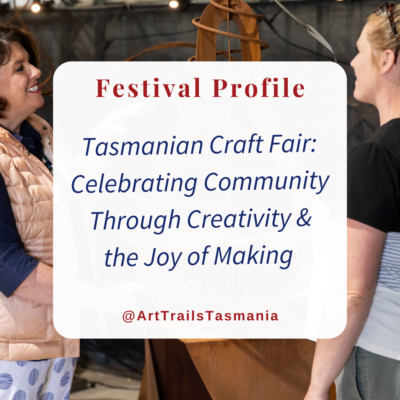
Tasmanian Craft Fair Celebrating Community & Creativity
How the Tasmanian Craft Fair Brought Community Together In the late 1970s Deloraine experienced an influx of artists and craftspeople seeking an alternative lifestyle. Rotarians at the time explored ways of facilitating the integration of these new creative people...
Tasters and Workshops at the Launceston Art Society
Explore New Mediums & Techniques with The Launceston Art Society The Launceston Art Society (LAS) is excited to have introduced a new series of Taster Workshops to their existing selection of full day options. These are great options for those who would like to...
Read What Our Members Say About Belonging
Join the growing, supportive artists community today and have your Artist story told here.
Belinda is doing a great job creating a professional looking artist hub online. Check out the profile I posted recently to see how well she does them. To all my artist friends let’s help make this THE go to place to discover local artists.
You won’t regret joining Art Trails Tasmania . It’s a welcoming community for creatives at any career stage.Becoming an Art Trails Tasmania member wasn’t a hard decision for me to make as it’s such a wealth of knowledge and support.Being member provides a quality way to showcase your creative endeavours and it’s quickly growing in reach.
We operate a home based picture framing business and recently joined Art Trails Tasmania as a means to giving us exposure to the wider artist community. We have almost immediately seen increase in activity thru our online sites, which I am certain will lead to more opportunities to grow our business.