Workshops: A Source of Inspiration and a Healthy Income
Workshops are an incredible way for artists to expand their creative horizons and connect with others in meaningful ways and earn a important income from their creative talents.
This is Part 1 of a series on running and leading workshops. It explores how workshops enhance an artist’s practice and financial prosperity. Workshops can also inspire participants and foster creativity.
This series examines practical methods for running successful workshops. It also covers the realities of making workshops a sustainable income source. Be sure to dive into our 9 Bright Ideas for Artist Led Workshops – Part 2 to kick start your workshops!
Evolving with Workshops
Leading workshops challenges artists to articulate their creative processes, often uncovering fresh insights into their work. It’s a unique opportunity to reflect, adapt, and evolve.
Workshops also foster experimentation, with participants bringing diverse perspectives that spark new ideas and directions.
In this series, we’ll delve into the key aspects of earning a living with workshops, starting with collaboration and marketing to scheduling and frameworks.
Whether you’re an artist seeking growth or looking to build a vibrant creative community, workshops are a transformative tool.
Read on for insights into making your workshops impactful, enjoyable, and professionally and financially rewarding.
Coloured Pencil Workshop with Marilyn Theisel
Discover the joys of creating in the beautiful medium of coloured pencils in this workshop with Marilyn Theisel that has a strong focus on developing skills.

Why Art Commissions Are a Powerful Income Stream for Artists – Part 1
Art commissions provide artists with reliable income, creative focus & loyal clients. Learn why commissions work & how to manage them successfully in our 2 part series.
Why Time Management & Workflow are Creative Enablers Part 1
Time management empowers artists. Learn why workflow reduces overwhelm, builds clarity, protects creative energy & supports sustainable creative business success.
The Creative Value in Running Workshops
Leading creative workshops can significantly enhance your personal practice, offering a fertile ground for growth and innovation.
Firstly, the act of teaching requires you to articulate your processes and philosophies, often revealing new insights about your own work.
This reflective practice can lead to a deeper understanding of your creative instincts and techniques, which you can then refine and expand.
Workshops also encourage experimentation. Engaging with diverse participants, each with unique perspectives and ideas, challenges you to step outside your comfort zone and explore new approaches.
This exchange of ideas can spark fresh inspiration, helping you to break through creative blocks and develop novel concepts.
Nurturing Adaptability and Connection
Moreover, the collaborative atmosphere of a workshop nurtures adaptability. You must tailor your methods to suit different skill levels and learning styles, fostering a dynamic and responsive mindset.
This adaptability often translates into greater versatility within their personal practice.
Running workshops can also provide a sense of purpose and connection. Witnessing the impact of your guidance on others’ creativity can be profoundly rewarding, reaffirming the value of your artistic vision.
These interactions can foster a supportive community, creating a network of inspiration and mutual encouragement.
Skill Building Beyond the Studio
Finally, workshops offer opportunities for skill-building beyond the studio.
From honing communication abilities to managing logistics, these experiences build confidence and resourcefulness, empowering you to tackle challenges within your own work with greater resilience and creativity.
By engaging in these enriching experiences, artists can evolve both as creators and as catalysts for creativity in others.
The Value and Power of Collaborating
Collaborating with another artist, group, or organisation to run and promote your workshops can be highly beneficial, offering mutual enrichment and professional growth.
Firstly, partnerships introduce diverse perspectives and complementary skills. Working with others allows you to merge your strengths, explore fresh ideas, and tackle challenges collectively, often leading to innovative and dynamic workshop experiences.
Grow Your Reach
Collaboration can expand your reach. Partnering with organisations or groups often provides access to broader audiences and specialised resources, such as venues, marketing channels, or funding.
Be sure that in any promotion of your workshops with others that there are links back (called back-links) to your website, registration pages, and social media profiles.
This exposure can boost your artist’s profile and open doors to new opportunities within and beyond your practice.
Learning as a Creative Business Owner
Learning from others is another key advantage. Collaborating with fellow creative business owners (aka artists and makers earning a living from their creativity) enables an exchange of techniques, methods, marketing strategies and insights.
Observing how others approach teaching and problem-solving can inspire growth and adaptability, enhancing your own workshop delivery and creative practice.
Collaborating with Groups, Projects and Organisations
Working with organisations or groups also fosters community engagement.
These entities often have established relationships within local or specific networks, helping artists build connections and strengthen their influence within the community. They may also have valuable email newsletter and social media audiences who are very interested in what you are doing.
This shared engagement can lead to long-term partnerships and support systems.
Additionally, the collaborative process can lighten the workload, allowing you to focus on your strengths while others handle complementary tasks. This division of labour reduces stress and encourages a more enjoyable, balanced experience.
Overall, collaboration enriches the workshop process, nurtures professional development, and fosters meaningful connections, making it a powerful tool for growth in an artist’s career.
Marketing and Promoting Workshops is Vital
Marketing and promoting workshops is crucial for their success, as it ensures the intended audience is reached and engaged.
Without effective promotion, even the most well-planned workshops can struggle to attract participants, diminishing their impact and viability.
Let the Right People Know That You Exist
Firstly, marketing increases visibility so people know that your workshop exists. Promoting workshops through social media, websites, email campaigns, projects like Art Trails Tasmania and local networks raises awareness among potential attendees.
Targeted promotion allows you to connect with the right audience, ensuring that the workshop resonates with those who will benefit most from it. This makes it much easier to sell tickets.
Establishing Credibility Makes Selling Tickets Easier
Effective marketing also establishes credibility. Professionally designed promotional materials and clear messaging about the workshop’s value, objectives, and outcomes create a positive impression.
This builds trust and motivates people to invest their time and money in attending.
Promotional efforts can differentiate a workshop in a competitive market. Highlighting unique features, such as the artist’s expertise, innovative techniques, or a specific theme, helps attract interest and set the workshop apart.
The Lasting Impact of Consistency & Financial Sustainability
Moreover, consistent marketing helps to build a brand over time. Regularly promoting workshops enhances an artist’s reputation as a facilitator, leading to increased recognition and opportunities.
Word-of-mouth from previous attendees, driven by successful promotion, can also amplify outreach.
Lastly, effective marketing ensures the workshop’s financial sustainability. Filling seats means covering costs and potentially generating profit, enabling you to continue offering workshops and developing your practice.
In short, marketing is not just an add-on but a fundamental aspect of running successful workshops, ensuring they reach their full potential and impact.
Regular Opportunities to Earn Your Creative Income
Running workshops can provide artists with a reliable income stream alongside their creative projects.
Workshops offer regular opportunities to earn, reducing dependence on sporadic sales.
By setting a schedule, you can plan for consistent cash flow and improved financial stability.
Emma Smith Trickett Walks with Trees Through Relational Ecological Art
Emma Smith Trickett creates art inspired by forests and ecosystems, exploring the relational experience of being among trees, shifting perspectives, and place.
How Amanda Berryman Creates Healing Through Art and Nature
Amanda Berryman shares how intuitive painting, meditation and Tasmania’s natural rhythms bring joy, healing and deep presence to her art practice.
Peter Ellyard Crafts Living Art from Steel, Glass and Light
Peter Ellyard creates art where steel meets colour and sunlight, crafting lasting pieces influenced by Tasmania’s landscape and shifting skies.
How to Share Your Event News with Art Trails Tasmania
Discover the art of sharing event news effectively with Art Trails Tasmania! Empower Tasmanian artists and reach eager audiences with ease.
Build a Steady Client Base for Financial Success
Teaching workshops builds a steady client base, encouraging repeat participation and word-of-mouth referrals.
Artists can also scale their offerings by hosting multiple sessions or online workshops.
Workshops allows you to diversify your income while enhancing your visibility within the community.
This creates opportunities for collaborations, sponsorships, and partnerships.
Providing group or one-to-one sessions can cater to different budgets, making workshops more accessible.
Selling materials or artwork during sessions adds another revenue stream.
Sustainable Growth with a Schedule of Workshops
Running workshops not only nurtures others’ creativity but also supports sustainable growth for you.
A planned workshop calendar can transform an irregular creative income into a healthier, dependable financial foundation for long-term success.
Developing a schedule of workshops is a crucial step in ensuring their success and sustainability.
A well-planned schedule provides clarity, structure, and professionalism, benefiting both the artist and participants.
Attract More Participants with a Calendar of Workshops
Firstly, a clear schedule helps attract participants. By outlining dates, times, and workshop themes in advance, potential attendees can plan accordingly, significantly increasing the likelihood of enrolment.
This is particularly important for those with busy lifestyles, as it enables them to fit workshops into their calendars. Our Members’ Calendar of Workshop event news stories are always popular with our Community Newsletter readers.
Build Valuable Momentum with a Schedule of Workshops
A schedule also supports consistency and builds momentum.
Regularly scheduled workshops create a reliable rhythm, helping to establish a loyal audience and a recognisable presence in the community.
This consistency fosters trust and positions you as a dependable facilitator.
For the artist, a planned schedule aids in resource management.
It allows time to prepare materials, promote workshops, and address logistical details, ensuring a smooth and professional delivery.
It also prevents last-minute stress and helps maintain a high standard of quality.
Be Smart with Your Planning
Additionally, scheduling workshops in advance provides opportunities for strategic growth.
You can plan workshops around seasonal themes, holidays, or events, aligning with potential market demand.
It also allows for collaboration with other artists or organisations, creating a richer and more diverse offering.
Plus it lets you plan around the key events in your own life and add income generating events during previously quiet periods.
Finally, a structured schedule supports personal balance and avoids burnout.
By organising your time effectively, you can manage your workload and ensure sufficient energy and creativity for each workshop.
In conclusion, a well-developed schedule is vital for successful, sustainable workshops, benefiting both artists and their audiences.
How Nature Shapes the Way You See, Feel and Imagine Part 1
Explore your creativity with Nature as your muse, letting it gently shape the way you see, feel and imagine in Part 1 of our series.
12 Practices to Explore Your Creativity with Intentional Joyful Constraints – Part 2
Explore your creativity through thoughtful constraints that reduce overwhelm, build focus and gently support a joyful, sustainable creative practice.
Explore Your Creativity Through Boundaries That Strengthen Your Creative Practice – Part 1
Explore your creativity by embracing limits as creative catalysts. Learn how constraints support focus and creative voice in part one of this series.
How to Build a Sustainable Income Stream with Art Commissions – Part 2
This is part 2 of our art commissions series, covering how artists can promote, price & manage commissions professionally & build a sustainable income stream.
10 Ways for Creative Workflow and Time Management to be Easy and Practical Part 2
Time management for creative small businesses. Practical studio planning, batching tasks & routines that support making, marketing, rest & sustainable growth.
The Brilliance of Having a Well Planned Workshop
Having a well-structured framework for your workshops is highly beneficial, ensuring clarity, engagement, and effectiveness.
A clear framework provides a roadmap for both the facilitator and participants, enabling the workshop to flow smoothly and meet its objectives.
Structure Defines Purpose
Firstly, a structured framework helps define the workshop’s purpose and outcomes.
By setting clear goals and breaking them into manageable segments, participants can easily follow the session and stay engaged. This ensures they leave with a sense of accomplishment and tangible takeaways.
A well-thought-out structure also enhances time management.
Managing Time in Your Workshop
Allocating specific durations for activities, discussions, and breaks ensures that the workshop stays on track and covers all planned content without feeling rushed or drawn out.
This balance creates a more enjoyable and productive experience for participants.
Moreover, a framework supports adaptability. While structure provides order, it also allows room for flexibility. Facilitators can adjust activities or pacing based on the group’s needs, without losing sight of the overall goals.
From a professional standpoint, a clear framework reflects your expertise and preparation.
It builds credibility, ensuring participants feel confident in the facilitator’s ability to lead a meaningful session.
Finally, a structured workshop is more likely to deliver consistent quality.
This encourages repeat attendance and positive word-of-mouth, helping to grow your reputation.
In essence, a well-structured framework is a foundation for success, enabling workshops to be organised, impactful, and memorable for all involved.
In 9 Bright Ideas for Artist Led Workshops – Part 2, we look at nine workshop ideas for you to explore so you can get you started with running workshops and bringing in a consistent and sustainable income.
Read the Latest Blog Stories and Flourish…
How Nature Shapes the Way You See, Feel and Imagine Part 1
Explore Your Creativity with Nature as Your Muse Explore your creativity by letting yourself soften into the quiet presence of the natural world, where shifting light, textured surfaces and gentle rhythms begin to speak in ways that feel both grounding and expansive....
Emma Smith Trickett Walks with Trees Through Relational Ecological Art
Meet First Nations Artist Emma Smith Trickett In my arts practice I explore intersubjective relationship with green environments. I am looking to not represent how these environments appear didactically, but my relationship to them and the experience of being in...
Coloured Pencil Workshop with Marilyn Theisel
Marilyn Theisel Advances Colouring Technique Join Tasmanian artist Marilyn Theisel for an engaging coloured pencil workshop exploring advanced techniques through layering, light and colour. Suitable for continuing and curious artists alike, this workshop offers a...
12 Practices to Explore Your Creativity with Intentional Joyful Constraints – Part 2
12 Mindful Practices for Exploring Your Creativity with Clarity and Joy Explore your creativity by intentionally choosing constraints that support focus, mindfulness and enjoyment, rather than waiting for ideal conditions to appear. In Part One, we explored why...
How Amanda Berryman Creates Healing Through Art and Nature
Finding Connection Through Art What brings me the greatest joy in my art is the deep sense of presence and connection it creates. When I paint, my mind quietens, my body relaxes, and I feel anchored in the moment. Each creative session begins with meditation or...
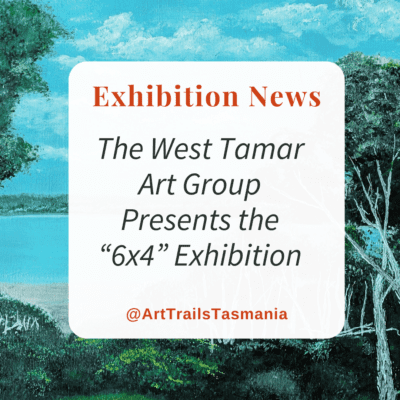
The West Tamar Art Group 6×4 Exhibition
Explore the "6x4" Exhibition by West Tamar Art Groups Members The 6 x 4 exhibition invites you to discover vibrant, original artworks by six talented members of the West Tamar Art Group (WTAG), each presenting four unique pieces at Windsor Gallery, Riverside. Set in...
Peter Ellyard Crafts Living Art from Steel, Glass and Light
Transforming the Raw into Art Making art gives me the rare chance to turn raw, ordinary materials into something that feels alive. I love the moment when steel stops being “just steel” and starts to suggest movement, character, or a story. Stained glass adds another...
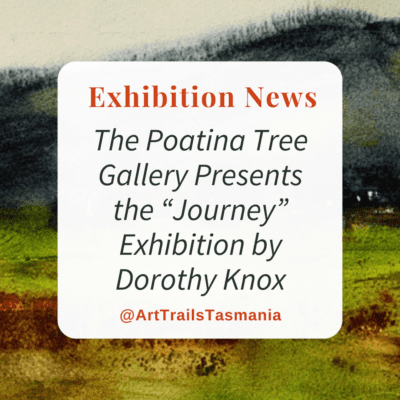
The Poatina Tree Gallery Presents “Journey” Exhibition
Be Inspired by the "Journey" Exhibition at the Poatina Tree Art Gallery Journey: Places of stillness and contemplation – Blue Mountains, Tasmania and beyond, is an exhibition of new watercolour paintings by Dorothy Knox. The Poatina Tree Gallery Poatina Village Green,...
Explore Your Creativity Through Boundaries That Strengthen Your Creative Practice – Part 1
How Constraints Can Become Powerful Catalysts for Creative Growth Explore your creativity by looking differently at the limitations that shape your creative practice, because constraints are often misunderstood as obstacles when they can instead act as powerful...
Read What Our Members Say About Belonging
Join the growing, supportive artists community today and have your Artist story told here.
Belinda is doing a great job creating a professional looking artist hub online. Check out the profile I posted recently to see how well she does them. To all my artist friends let’s help make this THE go to place to discover local artists.
You won’t regret joining Art Trails Tasmania . It’s a welcoming community for creatives at any career stage.Becoming an Art Trails Tasmania member wasn’t a hard decision for me to make as it’s such a wealth of knowledge and support.Being member provides a quality way to showcase your creative endeavours and it’s quickly growing in reach.
We operate a home based picture framing business and recently joined Art Trails Tasmania as a means to giving us exposure to the wider artist community. We have almost immediately seen increase in activity thru our online sites, which I am certain will lead to more opportunities to grow our business.