Why Art Commissions Matter More Than Ever
Art commissions have become one of the most reliable and flexible income streams for artists who want to earn from their creativity without relying solely on galleries, exhibitions or unpredictable sales cycles.
In a world where audiences want meaningful, personalised artwork rather than mass-produced décor, commissions sit at the intersection of emotional value and artistic skill.
For many artists, commissions offer something that open-ended studio work does not: a clear brief, a defined buyer, and payment attached to a specific outcome.
Art Commissions Matter
Whether it’s a beloved pet, a family home filled with memories, or a gift marking a milestone, commissioned artwork carries personal significance — and people are willing to invest in that connection.
In Australia, where artists often work across wide geographic areas and smaller local markets, commissions allow you to reach buyers nationally and internationally.
You can work from your studio, set your own timelines, and adapt commissions to suit your preferred medium and working rhythm.
This article explores why art commissions are such a strong option for artists, the most popular commission types, suitable mediums, where commissions come from, and how to reduce the risks involved.
In Part 2, we’ll dive into the practical how: pricing, promotion, systems, workflows and building commissions into a sustainable income stream.
Why Art Commissions Are a Strong Income Option for Artists
One of the biggest challenges artists face is inconsistent income.
Art commissions help smooth out financial peaks and troughs because they are usually pre-sold.
You are creating work that already has a buyer, which reduces uncertainty and financial risk.
Unlike speculative artwork, where you hope the right buyer finds the right piece, commissions start with demand.
This makes them particularly attractive for emerging artists, regional artists, and those balancing creative practice with other commitments.
Emotional Value Equals Willingness to Pay
Commissioned art isn’t just decorative; it’s emotional.
Clients aren’t buying “art” in the abstract — they’re buying memories, relationships, and stories.
This emotional connection often justifies higher price points than comparable non-commissioned work.
For example:
- A pet portrait captures companionship and grief
- A house portrait celebrates heritage or a new beginning
- A family portrait becomes a legacy piece
This emotional investment often leads to repeat clients and referrals.
Creative Flexibility and Artistic Growth
Contrary to the myth that commissions restrict creativity, many artists find they refine their style through commissioned work.
Repetition within a theme — such as pets or homes — helps you develop confidence, speed, and a recognisable aesthetic.
Commissions can sit alongside personal and exhibition work, funding experimentation without financial pressure.
Shaping a Sustainable Livelihood with a Creative Business
Building a creative business is about more than making art; it is about shaping a sustainable livelihood from your creativity and skills.
For many artists and makers, a creative business offers freedom, flexibility, and the chance to build a career doing what they love.
It can grow from working on it on the weekends to dedicating a week day work to it and changing from full time external employment to part time. And it gives you the choice to figure out which combination works best for you.
Multiple Income Streams and Financial Security
The first step in growing a creative business is understanding why multiple income streams matter for long-term sustainability and financial security.
It is much easier to choose where to focus your efforts when you’ve figured out where to start with what.
Having a plan, even a basic one, makes all the difference with giving yourself a road map where you can learn the skills needed, learn from experiences and others and explore your ideas.
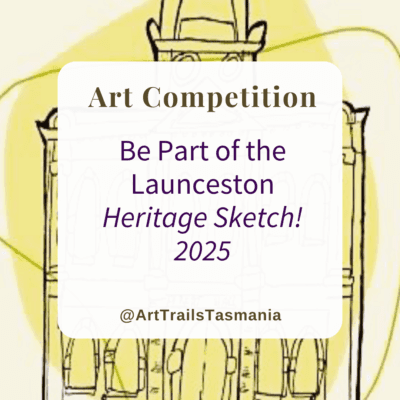
The Launceston Heritage Sketch 2025
This exciting Heritage Sketch Art Competition is for kids from Kinder to Year 12 and is all about exploring and drawing Launceston.
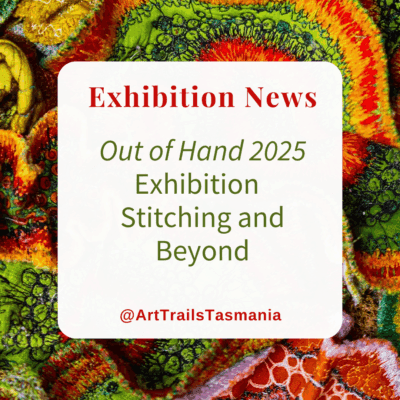
The Stitching and Beyond Out of Hand Exhibition
It is time to celebrate the joys of textile art with the always popular Stitching and Beyond “Out of Hand” Exhibition!
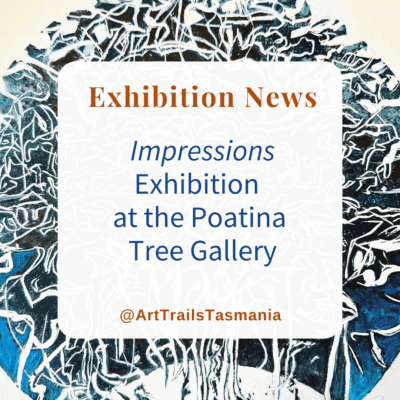
Impressions Exhibition at the Poatina Tree Gallery
Come discover the inspiring “Impressions” exhibition featuring the Newfields Printmakers at the Poatina Tree Gallery, the perfect creative day trip!
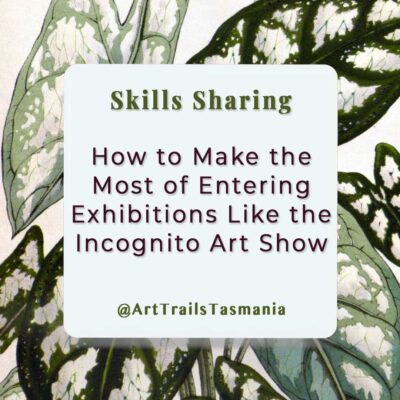
How to Make the Most of Entering Exhibitions Like the Incognito Art Show
Discover how to make the most of the opportunity of entering the Incognito Art Show so you can grow your Artist Profile, find new supporters and buyers and flourish!
How to Flourish Financially and Creatively with Markets and Fairs Part 1
In Part 1 of our series we look at how markets and fairs can be a great way to bring in money and grow creatively.
Popular Types of Art Commissions Clients Actively Seek
Pet Portrait Commissions
Pet portraits are one of the most consistently popular commission types. Dogs, cats, horses, birds — each comes with a strong emotional attachment.
These commissions often come from:
- Gifts
- Memorial pieces
- Celebrations of a new pet
They work particularly well in drawing, watercolour, acrylic, oils and digital formats.
House Portrait Commissions
House portraits are popular for:
- Housewarming gifts
- Retirement or downsizing
- Selling or leaving a family home
They appeal to both urban and rural clients and are well-suited to ink, watercolour, mixed media and illustrative styles.
Family and People Portrait Commissions
Family portraits can range from traditional likenesses to stylised, illustrative interpretations. Some artists specialise in:
- Children
- Couples
- Multi-generational portraits
- Simplified or whimsical styles
These commissions often require strong communication and expectation management but can be highly rewarding.
Other Popular Commission Ideas
- Wedding venue illustrations
- Favourite holiday locations
- Boats, caravans and vehicles
- Farm animals or rural scenes
- Custom maps or illustrated stories
Exploring niches allows you to attract the right clients rather than everyone.
Choosing the Right Medium for Art Commissions
Traditional Mediums
Many clients value traditional, physical artwork. Popular choices include:
- Pencil and charcoal drawings
- Watercolour
- Acrylic and oil painting
- Ink and line work
- Pastels
These mediums often feel more “authentic” and gift-worthy.
Digital Art Commissions
Digital commissions suit illustrators and designers and offer advantages such as:
- Faster turnaround
- Easier revisions
- No shipping or framing concerns
They can be printed professionally by clients or offered with print add-ons.
Mixed Media and Contemporary Approaches
Mixed media commissions allow artists to differentiate themselves and command higher prices, especially when combined with storytelling elements or handmade finishes.
Understanding the Risks of Art Commissions (and How to Mitigate Them)
Risk: Scope Creep and Unlimited Revisions
Without clear boundaries, art commissions can quietly expand beyond the original agreement.
A client may request additional subjects, background changes, or multiple rounds of revisions, all of which increase your time investment without additional pay.
Scope creep often happens when artists want to please clients but haven’t clearly defined what the commission includes.
Mitigation:
Using written terms, even a simple commission agreement, protects both you and the client.
Clearly outline what is included, how many revisions are allowed, and what constitutes an additional fee.
Defining the size, medium and subject matter upfront ensures expectations are aligned from the start and reduces misunderstandings later in the process.
Risk: Non-Payment or Cancellations
One of the most stressful risks with art commissions is beginning work without securing payment, only to have the client cancel, delay payment, or disappear altogether.
This can leave artists unpaid for hours of labour and materials, particularly with custom work that cannot be resold.
Mitigation:
Taking a non-refundable deposit confirms the client’s commitment and covers your initial time and costs.
Clear payment milestones, such as a deposit before starting and final payment before delivery, create structure and professionalism.
Avoid delivering high-resolution images or physical artwork until full payment is received to protect your income.
Risk: Creative Burnout
While commissions provide income, completing too many in a row can lead to creative fatigue and resentment towards your own practice.
When every artwork is dictated by someone else’s brief, artists may feel disconnected from their original motivation to create.
Mitigation:
Limiting the number of commission slots available at any one time helps protect your energy and focus. Scheduling intentional breaks between commissions prevents exhaustion.
Balancing paid commissions with personal or experimental work keeps your creativity alive and ensures commissioned pieces continue to benefit from your enthusiasm and skill.
Janet Fuller Paints Joy, Courage & King Island
It’s time to meet King Island artist Janet Fuller and be inspired by her love for creativity, colour and being bold!
Australian Landscapes Shine in the New Annette Fuller Online Gallery
Come discover Annette Fuller’s new online art gallery with its devotion to contemporary Australian landscapes, beauty and light.
15 Practical Ways to Effective Promote Your Art Exhibitions Part 2
In Part 2 of our series on how to have successful art exhibitions we delve into 15 practical ways to effectively promote your art show for the best results.
12 Key Ways to Flourish with Markets and Fairs Part 2
These practical 12 tips share how to maximise your markets and fairs income & audience with an effective promotional kit & strategy in Part 2 of our series.
What Artists Should Work From When Creating Commissions
Working From Photos
Most art commissions rely on photographs as reference material, particularly for portraits, pets and buildings. However, not all photos are equally useful.
Low-resolution images, poor lighting, or extreme angles can make it difficult to capture accurate detail and likeness.
Encourage clients to provide high-resolution images taken in natural light, along with multiple reference photos from different angles.
Clear guidance at the beginning of the process leads to stronger results and reduces dissatisfaction, revisions, and delays later on.
Combining References and Artistic Interpretation
Rather than copying a single photo exactly, artists can elevate commissioned work by combining multiple references and applying artistic judgement.
Adjusting lighting, simplifying busy backgrounds, or selecting the strongest features from several images allows the artwork to feel more intentional and refined.
This approach prevents commissioned pieces from appearing flat or overly photographic.
It also ensures your artistic style remains present, helping commissions feel cohesive with the rest of your portfolio and reinforcing your unique visual voice.
Where Art Commissions Commonly Come From
Online Marketplaces and Platforms
Online platforms play a significant role in generating art commissions, particularly for Australian artists reaching national and international audiences.
Etsy works well for personalised listings and search-driven buyers looking for gifts.
Patreon suits artists offering a limited number of monthly commission slots to loyal supporters. Bluethumb attracts Australian buyers seeking original, handmade artwork.
Each platform has different audiences, pricing expectations and fee structures, so choosing the right mix supports sustainable commission income.
Existing Collectors and Word of Mouth
Many commissions come from people who already know your work — past buyers, exhibition visitors, or social media followers.
A positive commission experience often leads to referrals, repeat work, and long-term collector relationships.
Clear communication, realistic timelines and professional presentation increase the likelihood that clients will recommend you to others.
Word-of-mouth remains one of the most powerful and cost-effective ways to grow commission work organically.
Promoting Your Art Commissions as Part of Content Planning
Social Media: Facebook and Instagram
Social media is ideal for making art commissions visible without feeling overly promotional.
Sharing works in progress, finished commissions, and client stories (with permission) helps potential clients understand your process and builds trust.
Consistent posting reinforces that commissions are available, while behind-the-scenes content makes your work feel accessible and human — key factors in encouraging enquiries.
Your Blog and Website
Writing about your commission process on your blog helps clients know what to expect and positions you as professional and organised.
Blog content also improves search engine visibility, making it easier for potential clients to find your services.
Process articles, FAQs and case studies of past commissions are particularly effective for SEO and client education.
Email Newsletters
Email newsletters allow you to speak directly to an engaged audience. Announcing open commission slots, seasonal opportunities (such as Christmas or pet memorials), and behind-the-scenes stories keeps commissions top of mind without relying on algorithms.
Regular newsletters help turn followers into paying clients by nurturing relationships over time.
What’s Next
In Part 2 of this Art Commissions series, we’ll explore exactly how to promote commissions effectively, set pricing, manage systems, and turn commissions into a sustainable income stream rather than occasional side work.
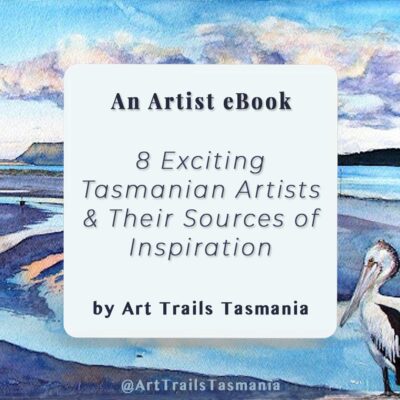
Unveiling the 8 Exciting Tasmanian Artists and Their Sources of Inspiration eBook
Launching the 8 Exciting Tasmanian Artist and their sources of inspiration eBook as part of the Art eBooks by Art Trails Tasmania series.
Read the Latest How To Blog Stories
9 Bright Ideas for Artist-Led Workshops Part 2
Getting Started with 9 Ideas for Your Workshops In this second part of our series on workshops, we explore creative ways for you to grow both artistically and financially. Running workshops can be a fulfilling and sustainable source of income, while allowing you to...
Unlocking Creative Earning Potential of Artist Led Workshops – Part 1
Workshops: A Source of Inspiration and a Healthy Income Workshops are an incredible way for artists to expand their creative horizons and connect with others in meaningful ways and earn a important income from their creative talents. This is Part 1 of a series on...
Newsletters Made Easy for Artists
Crafting Compelling Newsletters for Artists & Creative Groups Newsletters are a vital tool for individual artists and creative organisations, offering a direct way to engage with your audience and build lasting relationships. However, planning out the content for...
How to Plan Successful Arts and Crafts Events
Planning and Creating Profitable Events Arts and crafts events are essential for engaging art lovers, buyers, and followers, and making them successful requires thoughtful planning and promotion. This skills story is Part 1 of a two-part series designed to guide...
How to Set Up Your Website for Workshops and Events Success
Thriving with Workshops and Events Successfully running workshops, events, classes and online courses can be an ideal way for artists and makers to create prosperous income channels. This can be the difference between surviving and thriving. Having a stall at markets,...
How Artists Can Build Their Digital Eco-System for Branding Success
7 Ways to Grow Your Digital Eco-System with Effective Branding A cohesive digital eco-system and branding approach essential for artists, makers, creative business owners, and art groups to establish a recognisable presence across multiple platforms. Here are seven...
Read the Latest Blog Stories and Flourish…
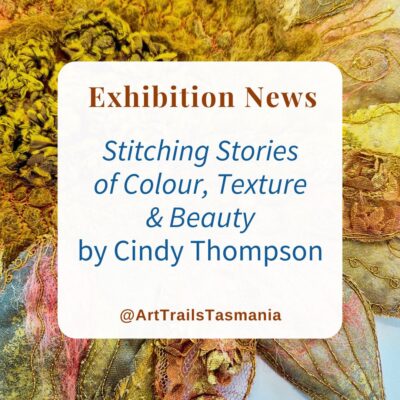
Stitching Stories of Colour, Texture and Beauty by Cindy Thompson Exhibition
Textile Artist Exhibition "Stitching Stories" will be exhibited at Sheffield Art Gallery for two months, in August and September. The exhibition will show Cindy's colourful work encompassing many different textile art techniques. There are many items for sale as well...
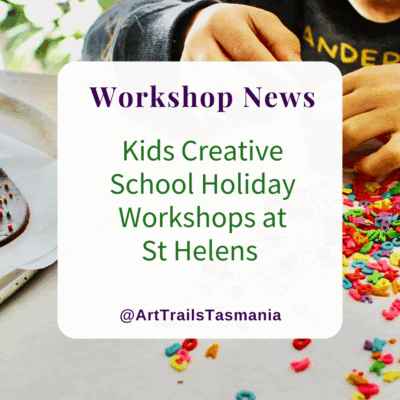
Kids Creative School Holiday Workshops at St Helens
Calendar of Creative Kids Workshops at St Helens Creative school holiday workshops for kids aged 8–12 at Jane Seychell Gallery, St Helens. Led by professional artists, children can paint a ceramic plate, learn to draw, or decorate cupcakes. All materials included and...
10 Ways to Heal and Flourish with Creativity and Community Part 2
10 Nurturing Paths to Creativity Creativity has been both my refuge and my guide in these tender months of grief and exhaustion. This is Part 2 of a two-part series, where I continue to explore how creativity offers quiet pathways to healing when life feels undone. ...
The Launceston Art Society Calendar of Workshops
The Latest Calendar of Workshops with the LAS The Launceston Art Society is delighted to share with you an inspiring calendar of workshops! From pastels to mixed media to acrylics to oil painting, these workshops are all about developing your skills, whether they're...
Book Review Inspiration: 10 Creative Books for Makers, Artists and Nature Lovers
Book Reviews for Art & Nature Lovers This book review features a wonderful selection of titles published by Search Press Australia, all readily available online. These books are a celebration of creativity across a diverse range of mediums and techniques, making...
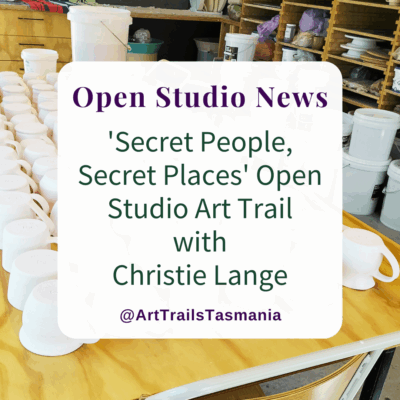
“Secret People, Secret Places” Open Studio Art Trails with Christie Lange
Open Studio Time: Explore the Creative Process with Christie Lange Discover ceramic artist Christie Lange’s open studio during Secret People, Secret Places at the Bay of Fires Winter Arts Festival. Explore porcelain sculptures inspired by Tasmania’s landscapes, meet...
Australian Landscapes Shine in the New Annette Fuller Online Gallery
Creating an Online Gallery to Celebrate Annette Fuller's Contemporary Art I launched Annette Fuller Art online store on the 1 April this year – no it wasn’t an April fools joke!!! After months of behind the scenes work and many late nights, I pressed the button on my...
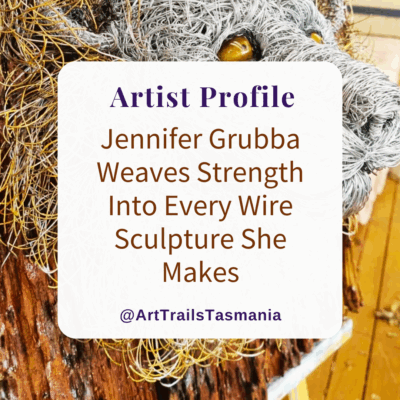
Jennifer Grubba Weaves Strength Into Every Wire Sculpture She Makes
Jennifer Grubba is Untangling a Path to Healing with Her Wire Sculpture Practice My wire sculpture has been part of my recovery after a diagnosis of PTSD, Depression, Severe Anxiety and Agrophobia. I find the wire is incredibly meditative, and I can easily lose myself...
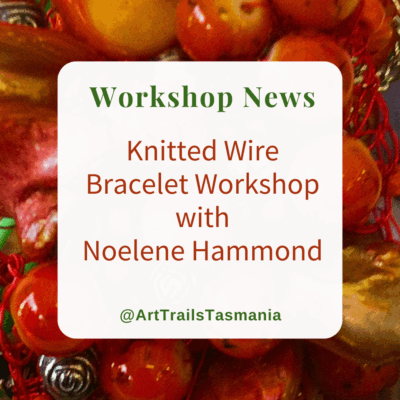
Knitted Wire Bracelet Workshop with Noelene Hammond
Have Fun Making Knitted Wire Bracelets This is a beginners knitted bracelet lesson. Learn how to knit your own bracelet or for a special gift. You will be using wire and seed beads in this lesson it is how to use the wire and hold the beads in place. You must know to...
Read What Our Members Say About Belonging
Join the growing, supportive artists community today and have your Artist story told here.
Belinda is doing a great job creating a professional looking artist hub online. Check out the profile I posted recently to see how well she does them. To all my artist friends let’s help make this THE go to place to discover local artists.
You won’t regret joining Art Trails Tasmania . It’s a welcoming community for creatives at any career stage.Becoming an Art Trails Tasmania member wasn’t a hard decision for me to make as it’s such a wealth of knowledge and support.Being member provides a quality way to showcase your creative endeavours and it’s quickly growing in reach.
We operate a home based picture framing business and recently joined Art Trails Tasmania as a means to giving us exposure to the wider artist community. We have almost immediately seen increase in activity thru our online sites, which I am certain will lead to more opportunities to grow our business.