Why Art Feedback and Critique for Artists Truly Matter
Art feedback and critique for artists are essential to every creative journey.
Whether you’re a painter in Hobart, a ceramicist on the North West Coast, or a fibre artist in the Huon Valley, thoughtful critique can be the difference between stagnation and growth.
Artists often work alone, and without regular, constructive feedback it’s easy to lose perspective or fall into familiar habits.
This story – Part 1 of our two-part series – explores why feedback and critique are vital for growth, showing how they reveal blind spots, refine intention, and build confidence.
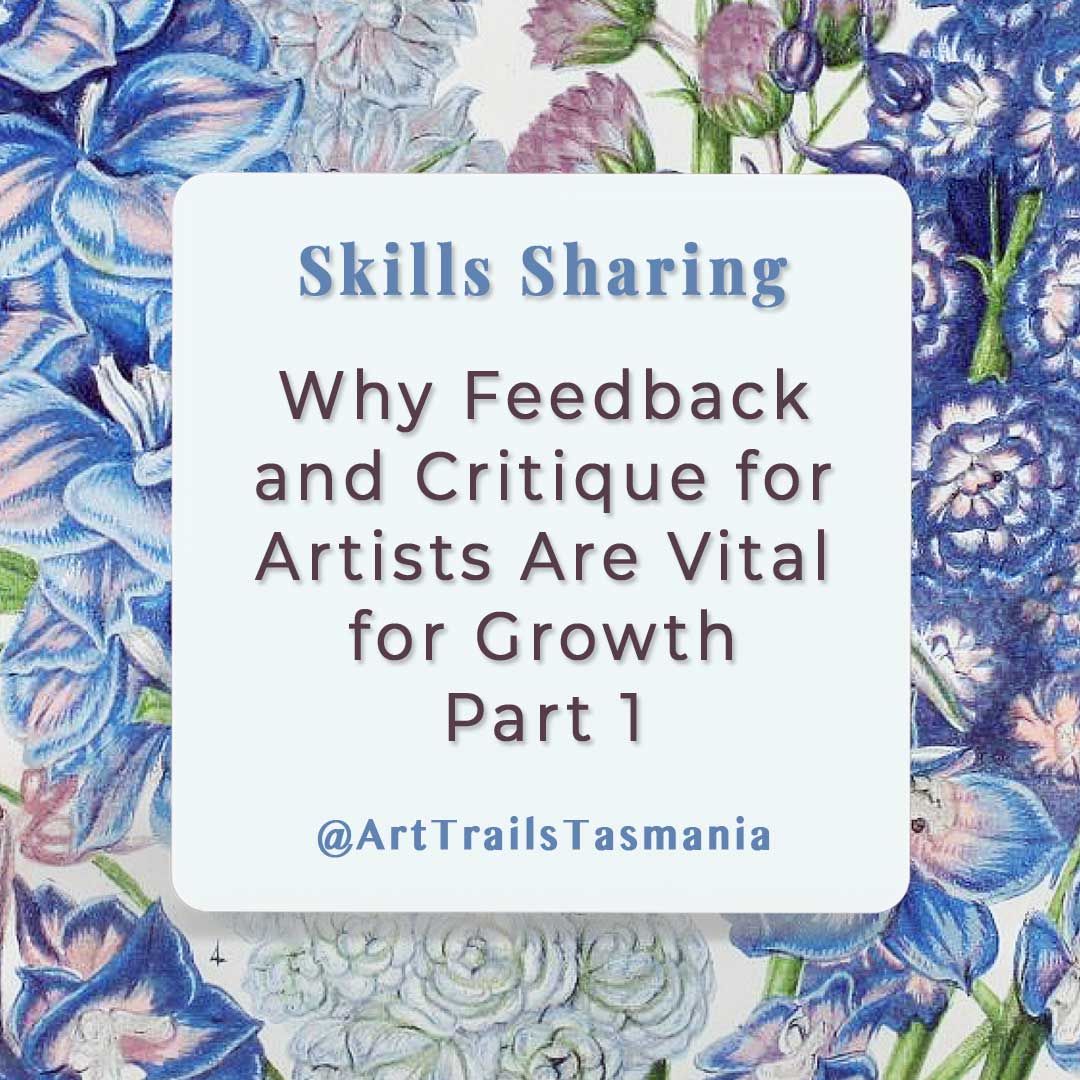
In Part 2, we’ll move to the practical side, offering ten real-world tips on how to create or join safe, supportive circles that make critique a natural, energising part of your art life.
Read on to discover why understanding why is the foundation of doing how well.
The Quiet Challenge of Working Alone
For many creators, long hours in the studio are both a blessing and a burden.
Solitude provides focus but can narrow your viewpoint. Over time, even the most dedicated artist may become so close to their work that they stop truly seeing it.
That’s where art feedback and critique for artists plays a transformative role.
Thoughtful critique acts as a mirror, reflecting back not just your skills but also the subtleties you may overlook.
It bridges the gap between what you believe you’re expressing and what others actually perceive.
Critique Builds Clarity and Confidence
When handled with care, feedback doesn’t diminish creative confidence—it strengthens it.
Constructive art feedback and critique for artists helps you articulate intent, evaluate success, and make informed creative decisions.
It gives you language for what you’re trying to achieve, which in turn builds conviction when presenting or selling your work.
Learning to listen objectively also nurtures emotional resilience.
The more often you engage in critique, the easier it becomes to separate your identity from your artwork.
That emotional distance is not detachment—it’s professionalism.
Why Art Feedback and Critique for Artists Differs from Casual Opinion
Not every opinion qualifies as critique. A quick “I like it” or “It’s not my style” rarely helps an artist grow. Proper art feedback and critique for artists is rooted in observation, context and empathy.
A strong critique considers composition, materials, balance, emotion and meaning. It looks at how effectively the piece communicates the artist’s vision. Constructive feedback avoids prescriptions; instead, it asks thoughtful questions:
- What feeling were you aiming to create here?
- Does this colour choice support your story?
- How does the scale affect viewer engagement?
In this way, critique becomes collaboration – a dialogue that helps both giver and receiver think more deeply about art.
Community Connections: How Art Groups Strengthen Feedback Culture
One of the richest sources of art feedback and critique for artists is membership in a local art group or society.
Across Tasmania and throughout Australia, community art groups provide vital opportunities not only for exhibiting but also for sharing, reflecting and growing together.
Regular meet-ups or critique sessions within these groups create a safe, structured environment where members can present current projects and receive constructive insights.
The benefit extends well beyond technical advice: you gain friendship, accountability and encouragement.
Being part of a group or society offers:
- Exhibition opportunities that expand visibility and confidence.
- Workshops and skill-shares where you learn fresh techniques.
- Art retreats that deepen relationships and recharge creativity.
- Peer support that transforms isolation into belonging.
Within such environments, feedback is not something to fear—it’s an act of shared learning.
10 Small Daily Practices to See Life Through a Creative Lens Part 2
These 10 small daily practices help you build a creative life through observation, journaling, movement, & play, transforming everyday routines into artful joy.
Every Day Creativity & What It Means to Live Creatively Outside of Art Part 1
Discover every day creativity beyond art and craft. Learn how living creatively transforms daily life for artists, makers, designers, and curious minds.
12 Rituals of Rest That Spark Fresh Creative Energy Part 2
Explore 12 rituals of rest that spark fresh creative energy. Embrace how rest fuels creativity and supports joyful, sustainable practice.

Why a Creative Business is Essential for Artists & Makers Part 1
Discover why building a creative business with multiple income streams is vital for artists & makers in this 2 part series. Learn how to grow & sustain your creativity.
How Open Studio Art Trails Help Artists Connect and Grow Part 1
Find out how Open Studio Art Trails can help grow your profile as an artist, open doors to new opportunities and to thrive creatively.
Seeing Differently: Sharpening Perception Through Critique
Repeated exposure to honest, respectful feedback improves how you see, both your own work and others’.
Artists who regularly participate in critique develop sharper visual awareness.
A painter might notice how negative space adds tension; a printmaker might discover how paper tone alters mood.
Engaging with art feedback and critique for artists encourages continuous questioning: Is my message clear? Does the material serve the idea? What could I refine next time? Over time, you internalise this dialogue, becoming your own best critic.
Turning vulnerability into creative strength
Inviting feedback means revealing something personal. It can feel risky to show unfinished or uncertain work.
Yet those vulnerable moments are where artistic leaps occur. Each critique session teaches you that openness invites insight.
In supportive environments—especially within art groups and societies—artists learn to reframe vulnerability as bravery.
It’s not about exposing weakness but demonstrating a commitment to growth. Over time, critique becomes less about approval and more about curiosity.
Cross-Pollination and Collaboration
Constructive art feedback and critique for artists often sparks collaboration.
A ceramicist may respond to a painter’s colour suggestion by experimenting with glaze layering; a textile artist might adapt a printmaker’s approach to pattern.
When artists from different disciplines exchange observations, they challenge each other’s assumptions and open doors to innovation.
This cross-pollination nurtures creativity in ways solitary work rarely can.
Maintaining Your Artistic Compass
While feedback is invaluable, balance is essential. Not every suggestion will suit your intention, and consensus should never replace conviction.
Healthy art feedback and critique for artists informs decision-making—it doesn’t dictate it.
Think of feedback as raw material. You can shape it, test it, or set it aside.
As you gain experience, you’ll sense which insights align with your vision and which to leave behind.
Far from diluting individuality, critique sharpens it by clarifying what truly matters to you.
The Lifelong Habit of Learning
Engaging in continuous critique builds a mindset of lifelong learning.
It encourages adaptability and humility, qualities that sustain artists through shifting trends and technologies.
Many established artists attribute their evolution to the feedback cultures they nurtured early in their careers—studio discussions, peer reviews, society meetings.
They understand that artistry isn’t a destination but an ongoing conversation between maker, material and audience.
Preparing for Part 2: Putting Feedback into Practice
Now that you’ve explored why feedback and critique matter so deeply, you’re ready to learn how to make them work for you.
In Part 2 – “How to Give and Receive Feedback and Critique Effectively”, we’ll share ten practical tips to help you:
- Form a peer critique group or join an art society,
- Create a safe, respectful feedback space, and
- Apply insights while staying true to your creative voice.
These steps will show how art feedback and critique for artists can become one of the most rewarding habits in your creative life.
Final Thoughts: Embracing Growth Through Connection
Art is communication, and communication thrives on exchange.
Every conversation about your work—whether in a gallery, a workshop, or a local society hall—is an opportunity to learn.
When you embrace feedback with openness and grace, you strengthen not only your art but also your confidence and sense of community.
Remember: critique is not about right or wrong; it’s about expanding perception.
So, before you clean your brushes or close your sketchbook, consider who you could invite into your creative dialogue.
And don’t miss Part 2, where we dive into the how: ten practical ways to give and receive feedback that fuels growth, friendship and lasting artistic fulfilment.
Discover the Artist Hubs of the Huon Valley Studio Art Trail
Visit the Huon Valley Studio Art Trail to meet local artists, explore their techniques and discover the inspiration behind their work at new Artist Hubs.
Join the Workshops Waitlist
Be the first to know about the exciting calendar of workshops being held at the Art Trails Tasmania Art Farm when you join the waitlist.
Read the Latest How To Blog Stories
How a Blog Builds Your Creative Artist Profile and Income – Part 1
How A Blog Can Make All the Difference A blog is a powerful tool for artists, makers, and groups looking to grow their creative profile and support income-generating activities. It helps promote exhibitions, sell work online, attract workshop bookings, and showcase...
8 Elements Needed For Your Successful Content Plan – Part 2
The 8 Essential Elements for Making a Successful Content Plan A content plan is your creative map for sharing your work with confidence, ease and clarity. This is Part 2 of our two-part series on creating a content plan for artists, makers, galleries, art groups and...
Why Every Artist and Creative Business Needs a Clear, Simple Content Plan – Part 1
How to Make Sense of Content Plans A content plan is the key to sharing your creative work and business with ease and confidence, across all your platforms and projects. This is Part 1 of a two-part series on content planning for artists, makers, galleries, event...
15 Practical Ways to Effective Promote Your Art Exhibitions Part 2
15 Practical Ways to Promote Your Art Exhibitions In Part 1 on how to make your art exhibitions successful we looked at the features, elements and ways to create an engaging, vibrant and profitable event. Here in Part 2 we delve into the all important promoting and...
How to Make Art Exhibitions Creative, Engaging and Profitable Part 1
How to Make Art Exhibitions Enjoyable, Profitable and Vibrant Creating successful art exhibitions means more than just hanging work on a wall. And when done well, all involve benefit creatively, financially and professionally. As with all things in life it is much...
How to Make the Most of Entering Exhibitions Like the Incognito Art Show
Making the Most of Exhibiting in Events Like the Incognito Art Show The Sydney-based Incognito Art Show is now Australia's largest annual art show. It is open to any artists intersted in taking part. It is an event where artists anonymously donate postcard-sized...
Read the Latest Blog Stories and Flourish…
Calendar of Knitted Wire Bracelet Workshops
Have Fun Making Knitted Wire Bracelets This is a beginners knitted bracelet lesson. Learn how to knit your own bracelet or for a special gift. You will be using wire and seed beads in this lesson it is how to use the wire and hold the beads in place. You must know to...
Members’ Reward: Workshop Call Out
Send in Your Workshop Ideas I'm delighted to be sharing this first Members’ workshop call out with you! As I’m getting closer to setting up the Art Trails Tasmania workshop space it is time to open up applications for running workshops as I prepare for an entire...
12 Gentle and Helpful Ways to Let Nature Guide Your Creative Practice – Part 2
Exploring Your Creativity with 12 Gentle Ways Explore your creativity by allowing your surroundings to become a steady and generous source of inspiration, where even the most familiar details begin to reveal new possibilities when you slow down enough to notice them. ...
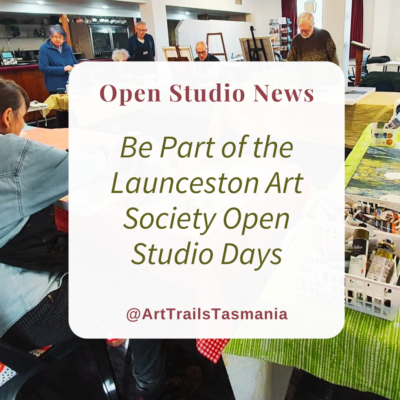
Be Part of the Launceston Art Society Open Studio Days
Come Along to Open Studio Days Open studio sessions are the perfect way to explore your curiosity about art without pressure. If you’ve ever wanted to try creating but didn’t know where to begin, this is your invitation to step in and start with the Launceston Art...
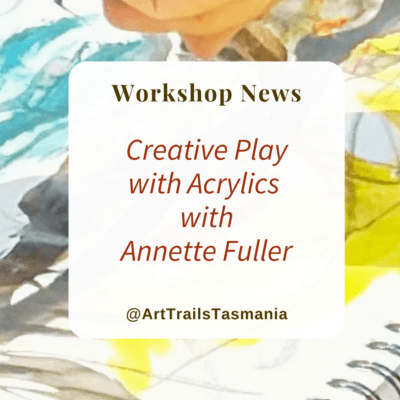
Creative Play with Acrylics Workshop
Explore the Creative Play Workshop with Annette Fuller A gentle invitation back to your creativity playing with acrylic paints. This relaxed, supportive workshop explores colour, texture and intuitive expression in a non-judgmental, no-pressure space. No experience...
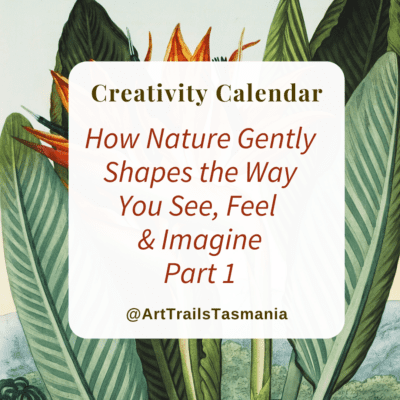
How Nature Shapes the Way You See, Feel and Imagine Part 1
Explore Your Creativity with Nature as Your Muse Explore your creativity by letting yourself soften into the quiet presence of the natural world, where shifting light, textured surfaces and gentle rhythms begin to speak in ways that feel both grounding and expansive....
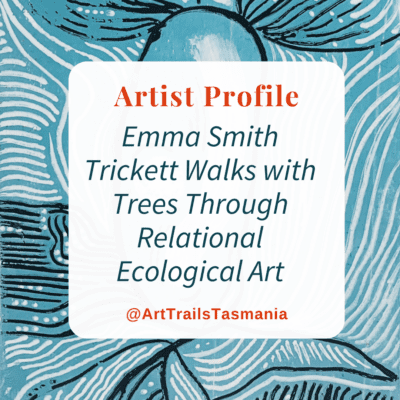
Emma Smith Trickett Walks with Trees Through Relational Ecological Art
Meet First Nations Artist Emma Smith Trickett In my arts practice I explore intersubjective relationship with green environments. I am looking to not represent how these environments appear didactically, but my relationship to them and the experience of being in...
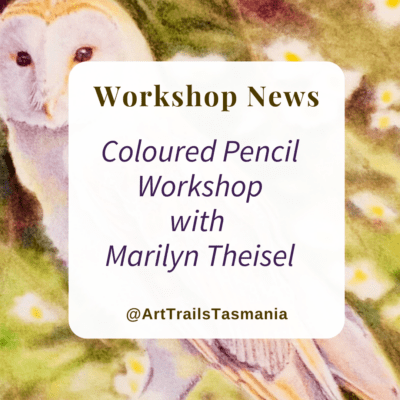
Coloured Pencil Workshop with Marilyn Theisel
Marilyn Theisel Advances Colouring Technique Join Tasmanian artist Marilyn Theisel for an engaging coloured pencil workshop exploring advanced techniques through layering, light and colour. Suitable for continuing and curious artists alike, this workshop offers a...
12 Practices to Explore Your Creativity with Intentional Joyful Constraints – Part 2
12 Mindful Practices for Exploring Your Creativity with Clarity and Joy Explore your creativity by intentionally choosing constraints that support focus, mindfulness and enjoyment, rather than waiting for ideal conditions to appear. In Part One, we explored why...
Read What Our Members Say About Belonging
Join the growing, supportive artists community today and have your Artist story told here.
Belinda is doing a great job creating a professional looking artist hub online. Check out the profile I posted recently to see how well she does them. To all my artist friends let’s help make this THE go to place to discover local artists.
You won’t regret joining Art Trails Tasmania . It’s a welcoming community for creatives at any career stage.Becoming an Art Trails Tasmania member wasn’t a hard decision for me to make as it’s such a wealth of knowledge and support.Being member provides a quality way to showcase your creative endeavours and it’s quickly growing in reach.
We operate a home based picture framing business and recently joined Art Trails Tasmania as a means to giving us exposure to the wider artist community. We have almost immediately seen increase in activity thru our online sites, which I am certain will lead to more opportunities to grow our business.