10 Sketchbook Practice Ideas
A sketchbook is more than just blank pages – it’s a space where curiosity, play, and experimentation come together.
In Part One, we explored why sketchbooks are such a powerful tool for creative exploration. If you missed it, you can read Discover Creative Freedom Through a Sketchbook Practice Part 1.
Now, let’s dive into 10 fresh, practical ideas designed to spark your creativity and keep your sketchbook practice alive and inspiring.
Your Sketchbook Practice Inspiration
Here are 10 ideas to explore in your sketchbook practice, which ones will light your imagination and how will you make them your own?
1. Create a Daily or Weekly Prompt Page in Your Sketchbook
Set aside a page for weekly or daily prompts to kickstart your imagination. These can be simple, like “draw something green” or “use only dots.”
Prompts remove the pressure of deciding what to do and help you jump straight into the creative process without overthinking.
Adding regular prompts also builds consistency, which is key for developing your artistic voice.
Over time, you’ll gather a unique collection of responses, almost like a visual diary. Prompts act as gentle structure, encouraging creativity even when motivation feels low.
2. Build a Mixed Media Inspiration Spread
Choose a colour palette or theme and explore it using a mix of materials; ink, collage, fabric, pencil, watercolour or stitching.
This lets you observe how different textures interact, offering valuable insight into combining materials in future work.
The spread itself can become a reference library, something you can revisit for future projects when seeking inspiration.
It’s also a playful way to push boundaries, mixing unexpected materials and observing which contrasts feel harmonious or striking. Experimenting freely can lead to exciting new techniques and can lead to alternative pathways.
3. Do a “One Medium” Challenge
Limit yourself to one material per page or session, charcoal one day, coloured pencil the next, and see how much you can express with it.
This focused restriction often leads to surprising discoveries and can help you master techniques you might otherwise avoid.
It can also be a great way to purposefully play with and explore your existing art supplies stash.
Committing to one tool makes you inventive, forcing you to explore mark-making, texture, and depth more deeply.
Instead of chasing perfection, you’ll find freedom in exploring limitations. It’s also a practical way to reconnect with neglected tools and rediscover their possibilities.
Workshop Joy with Artist Christie Lange
Get creative with clay in a hands-on workshop led by ceramist artist Christie Lange. Learn, experiment & make something of your own in this season of workshops.
Christie Lange Exhibition Exploration
Discover Christie Lange in the exhibition focus on Hidden Ecologies: Revealing the Hidden Wild and Where Earth Meets Elsewhere, exploring nature & connection.
Marketing Made Simple for Artists Ready to Grow their Audience – Part 1
Discover why marketing is an essential creative skill for artists and makers, and learn how simple strategies help grow audiences and creative opportunities.
Understanding SEO and Why It Matters for Artists – Part 1
Learn how SEO helps artists get discovered online by the right audience, turning creative content into lasting visibility without paid ads or marketing stress.
4. Collect Found Objects and Incorporate Them in Your Sketchbook
Glue in a leaf, a clothing tag, an exhibition ticket or fabric scrap, and respond to it with drawing, stitching, or writing.
This kind of visual journaling encourages spontaneity and personal storytelling, turning your sketchbook into a record of daily life.
These fragments add tactile richness and context to your pages, weaving together memory with art.
Each object carries its own history, making your sketchbook uniquely personal.
By interacting with them creatively, you transform everyday ephemera into sparks for reflection, imagination, and playful experimentation.
5. Use Your Sketchbook as a Creative Mind Map
Dedicate a few pages to brainstorming ideas; for future artwork, craft projects, colour schemes, or thematic series.
Doodles, notes, swatches and mini mock-ups help clarify your thinking and serve as a launchpad for larger pieces later on.
You can also map emotions, words, or even song lyrics alongside imagery, helping to weave connections between different sources of inspiration.
The freedom of a mind map encourages loose thinking, allowing unexpected themes or visual motifs to surface and spark fresh creative directions.
I find using different coloured pens or pencils really useful with mind maps.
6. Experiment with Intentional Practice Sessions in Your Sketchbook
Sketch a subject in 10 different ways; changing materials, angles, or techniques, to develop deeper understanding and skill.
This method ties beautifully into our earlier story on intentional practice, supporting structured, skill-building creativity.
By repeating subjects with small variations, you build confidence and adaptability.
This practice nurtures patience and persistence, gradually strengthening observation skills.
Over time, you’ll see a visible improvement in technique and expression, while also cultivating a stronger personal style through mindful exploration.
7. Rework Old Pages with New Layers
Go back to unfinished or “messy” pages and layer over them with new materials, collage elements, or fresh marks.
This removes the fear of mistakes and helps you see your sketchbook as a space for continuous evolution, not finished products.
Returning to old work gives you a second chance to experiment without pressure, almost like collaborating with your past self.
These reworked pages can hold fascinating depth, as layers build history and texture.
What once felt discarded may transform into something unexpectedly meaningful.
8. Do a Five-Minute Creative Warm-Up in Your Sketchbook
Before starting any larger art or craft project, use your sketchbook to do a quick five-minute sketch, pattern, or colour study.
It’s like stretching before exercise as it helps you loosen up and enter a creative mindset more easily.
Quick warm-ups reduce perfectionism and get you moving past the blank page, also letting you get out of your own way.
They energise your hand-eye coordination and spark playful curiosity.
Over time, these short bursts accumulate into a library of spontaneous studies, often seeding ideas for more developed, finished artworks.
9. Document Your Artistic Process with Your Sketchbook
Use your sketchbook as a visual diary by recording steps from other projects, including fabric choices, paint samples, and thumbnail sketches.
This creates a valuable reference archive and reminds you of techniques, colour mixes, or ideas you may want to revisit later.
Documenting process also provides perspective on how your skills evolve.
Looking back, you’ll spot recurring motifs, favourite palettes, or problem-solving approaches that define your style.
This reflective record becomes a personal resource, guiding you towards refining and deepening your creative practice. It also lets you see your creative journey of growth.
10. Develop Personal Creative Rituals in Your Sketchbook
Create regular sketchbook routines that suit your lifestyle, Sunday evening colour play, morning tea break sketches, or monthly theme explorations.
Rituals build momentum and help you keep a consistent, sustainable creative habit without it feeling like a chore.
Rituals add rhythm and comfort, signalling to your brain that it’s time to create.
They can become small acts of self-care, mindfulness, grounding you amidst busy days.
Over time, these habits create a dependable anchor for ongoing artistic growth and experimentation.
Time to Learn and Grow at the Inspiring Art School Hub
Discover the Art School Hub in the Huon Valley, where kids & adults build artistic skills, confidence & creativity through hands-on classes and workshops.
Creative Flow Defines Joyleene Abrey Across Fibre, Art and Tasmania
Creative inspiration comes alive as Joyleene Abrey transforms Tasmania’s textures, colours, and weaving into distinctive contemporary fibre art.
Sketchbook as a Creative Companion
Your sketchbook is your creative companion, it doesn’t judge, and it doesn’t require perfection. It invites play, exploration, and discovery at every stage.
Each of these 10 ideas offers a fresh way to deepen your connection with your materials, your subjects, and your creative self.
Combined with Part One, which introduced sketchbooks as a safe, flexible space for creative experimentation and this post offers a toolkit to start or enhance your practice.
You can also return to earlier blog stories on urban sketching, nature journaling, and budget-friendly sketching kits, all of which tie beautifully into sketchbook use.
Whatever methods or mediums you choose, remember: it’s not about the result – it’s about showing up for your creativity, again and again.
So grab your sketchbook, pick one of these ideas, and let your hands, heart, and imagination lead the way.
What’s Next
It is so easy to read a story and think “oh, that’s great, I should do that” and then time and opportunity zip past.
So what two or three ideas here sang to you? Or maybe have sparked your own ideas on how to vary the concepts?
Write them down in your diary, sketchbook, planner, even on an app on your phone so you can give them a go.
Maybe even set yourself some time to experiment. Fortunately even just 5 minutes can be a great entry path.
12 Ways to Explore Your Creativity with Different Mediums – Part 2
Expand your skills and explore your creativity with these 12 ways to embrace working with different mediums in part 2 of our series.
Exploring Creativity Through Different Art and Craft Mediums – Part 1
Discover how trying new mediums can reignite creativity, build confidence and inspire fresh ideas for your art and creative practice in Part 1.
Read the Latest How To Blog Stories
Marketing Made Simple for Artists Ready to Grow their Audience – Part 1
Understanding Why Marketing Really Matters Marketing is a powerful creative tool that helps artists, makers and creative small businesses share their work with the right audiences while building meaningful connections beyond the studio door. It is not about...
12 Key Marketing Practices Artists and Creative Business Owners Need – Part 2
12 Timeless Marketing Skills Marketing is the bridge that connects your creative work with the people who will value, collect and support it. For artists and makers, effective marketing is not about chasing every new trend; it is about building meaningful...
12 SEO Skills for Artists and Creative Businesses – Part 2
12 Practical SEO Skills That You Need SEO is the thread that connects artists, art groups, workshop organisers, and creative businesses with audiences already searching for their work online. In Understanding SEO and Why it Matters for Artists - Part 1, we explored...
Understanding SEO and Why It Matters for Artists – Part 1
Understanding Search Engine Optimisation Search Engine Optimisation, SEO, is the simple art of helping the right people discover your creative work online without paid advertising. For artists, makers, and creative businesses, SEO works quietly behind the scenes like...
How to Promote and Grow Your Art Group Effectively – Part 2
Making your Art Group a Financial & Creative Success An art group thrives not only on creativity but also on clear, consistent promotion and organisation. Building on How an Art Group Supports Artists, Makers and Creative Growth - Part 1, this story focuses on the...
How an Art Group Supports Artists, Makers and Creative Growth – Part 1
Coming Together as an Art Group to Thrive An art group or society can be so much more than a place to meet; it becomes a shared creative home where ideas, skills and friendships flourish. For those running an art group or society, nurturing that sense of belonging...
Read the Latest Blog Stories and Flourish…
Workshop Joy with Artist Christie Lange
Discover Clay with Award Winning Ceramist Artist Christie Lange Make this summer creative with a season of clay workshops led by ceramist artist Christie Lange in her welcoming Binalong Bay studio. Come with friends, family or enjoy some creative time by yourself....
Christie Lange Exhibition Exploration
Explore the Christie Lange Exhibitions Two captivating exhibitions invite visitors to explore the hidden wonders of nature through the work of Tasmanian contemporary ceramics artist Christie Lange. From the intricate ecosystems beneath our feet to the vastness of...
Voices Through Art: Arch Lived Experience Art Campaign
Exhibition Call Out: Be Part of Voices Through Art What does hope and healing mean to you? The Arch partnership are proud to launch the Voices Through Art: Arch Lived Experience Art Campaign. As part of the 2026 16 Days of Activism Against Gender-Based Violence...
Huon Valley Studio Art Trail Explorations
Huon Valley Studio Art Trail Invitation The most anticipated annual event returns this October 23-25 to the valley with the Huon Valley Studio Art Trail only weeks away! Artists and Makers throw open their studio doors inviting you to explore their private world...
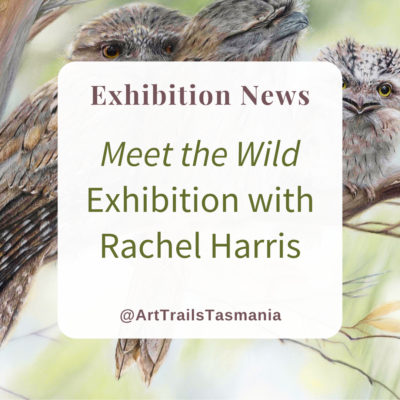
Rachel Harris ‘Meet the Wild’ Exhibition
Celebrating the First Solo Exhibition of Rachel Harris Meet the Wild is Rachel Harris’s first solo exhibition, bringing together life-like drawings of Tasmanian wildlife in colour pencil, graphite and charcoal. Drawing on her background as a research scientist, Rachel...
Discover the Artist Hubs of the Huon Valley Studio Art Trail
Get Along to the Artist Hubs of the Huon Valley Studio Art Trail More artists - more venues! In 2026 the Huon Valley Studio Art Trail includes a more diverse collection of artists and makers than ever before. In addition to the 40+ artists opening their home studios,...
Join the Workshops Waitlist
Something Creative Is Taking Shape at the Art Farm I've been thinking about workshops for a long time. In fact, I've been collecting ideas for arts and crafts workshops for a couple of years now — jotting things down, imagining projects, thinking about what I'd love...
Time to Learn and Grow at the Inspiring Art School Hub
Kids and Adults Art Classes and Workshops Art School Hub is the sister company to Art School Co on the mainland. We have been running since 2024, but the birth of Art School began 20 years ago. It has passed through hands over time and is now Run by Jazz and Cat Lee....

Come Explore Tasmania Through the Eyes of Wildlife Artist Mel Hills
Sketching, Painting and Art Retreats Artist Mel Hills invites us into a creative world shaped by Tasmania’s remarkable wildlife, landscapes and natural beauty. From sketching Tasmanian devils at the Unzoo to exhibiting her original artworks at the Tasmanian Craft...
Read What Our Members Say About Belonging
Join the growing, supportive artists community today and have your Artist story told here.
Belinda is doing a great job creating a professional looking artist hub online. Check out the profile I posted recently to see how well she does them. To all my artist friends let’s help make this THE go to place to discover local artists.
You won’t regret joining Art Trails Tasmania . It’s a welcoming community for creatives at any career stage.Becoming an Art Trails Tasmania member wasn’t a hard decision for me to make as it’s such a wealth of knowledge and support.Being member provides a quality way to showcase your creative endeavours and it’s quickly growing in reach.
We operate a home based picture framing business and recently joined Art Trails Tasmania as a means to giving us exposure to the wider artist community. We have almost immediately seen increase in activity thru our online sites, which I am certain will lead to more opportunities to grow our business.