Transforming the Raw into Art
Making art gives me the rare chance to turn raw, ordinary materials into something that feels alive. I love the moment when steel stops being “just steel” and starts to suggest movement, character, or a story.
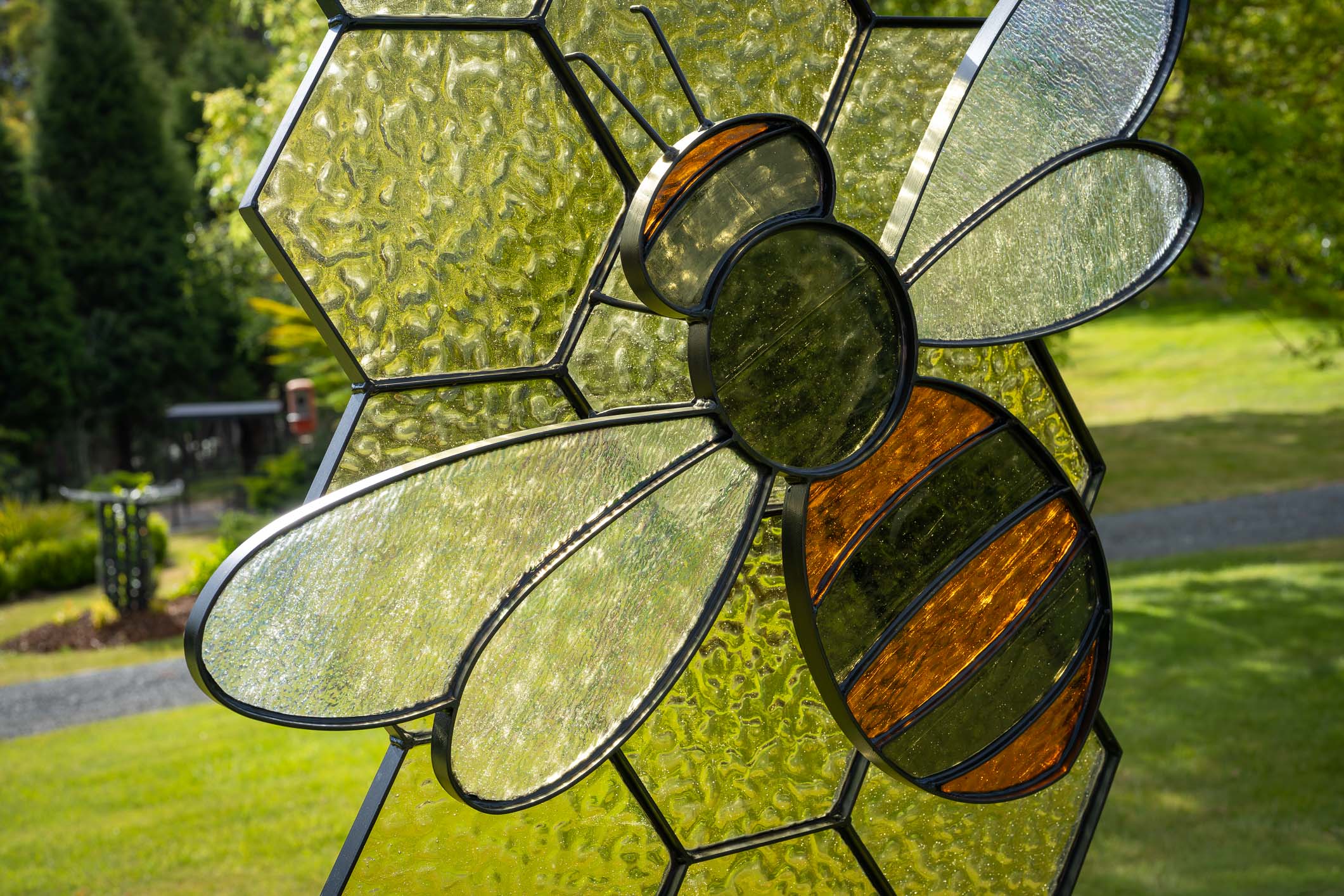
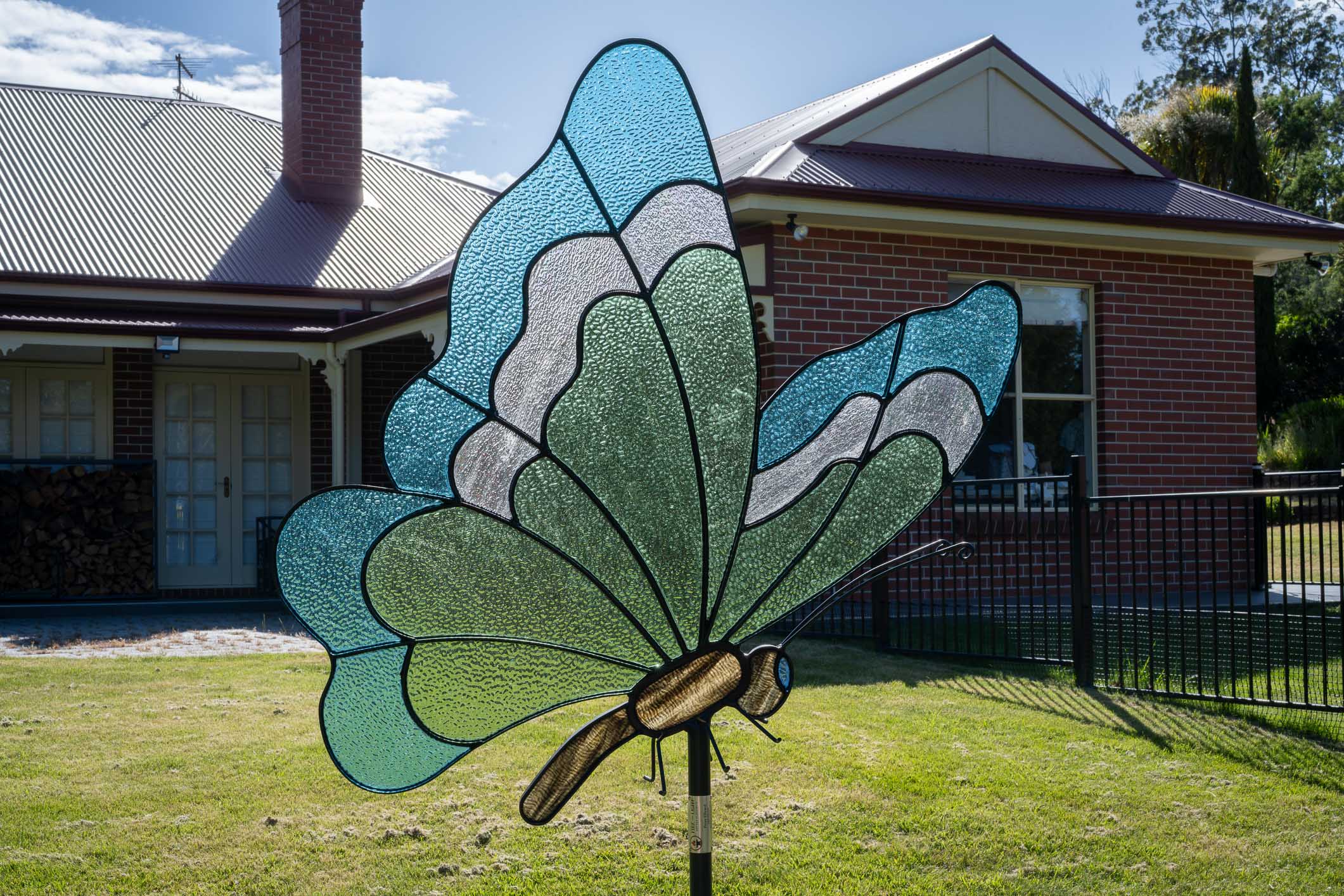
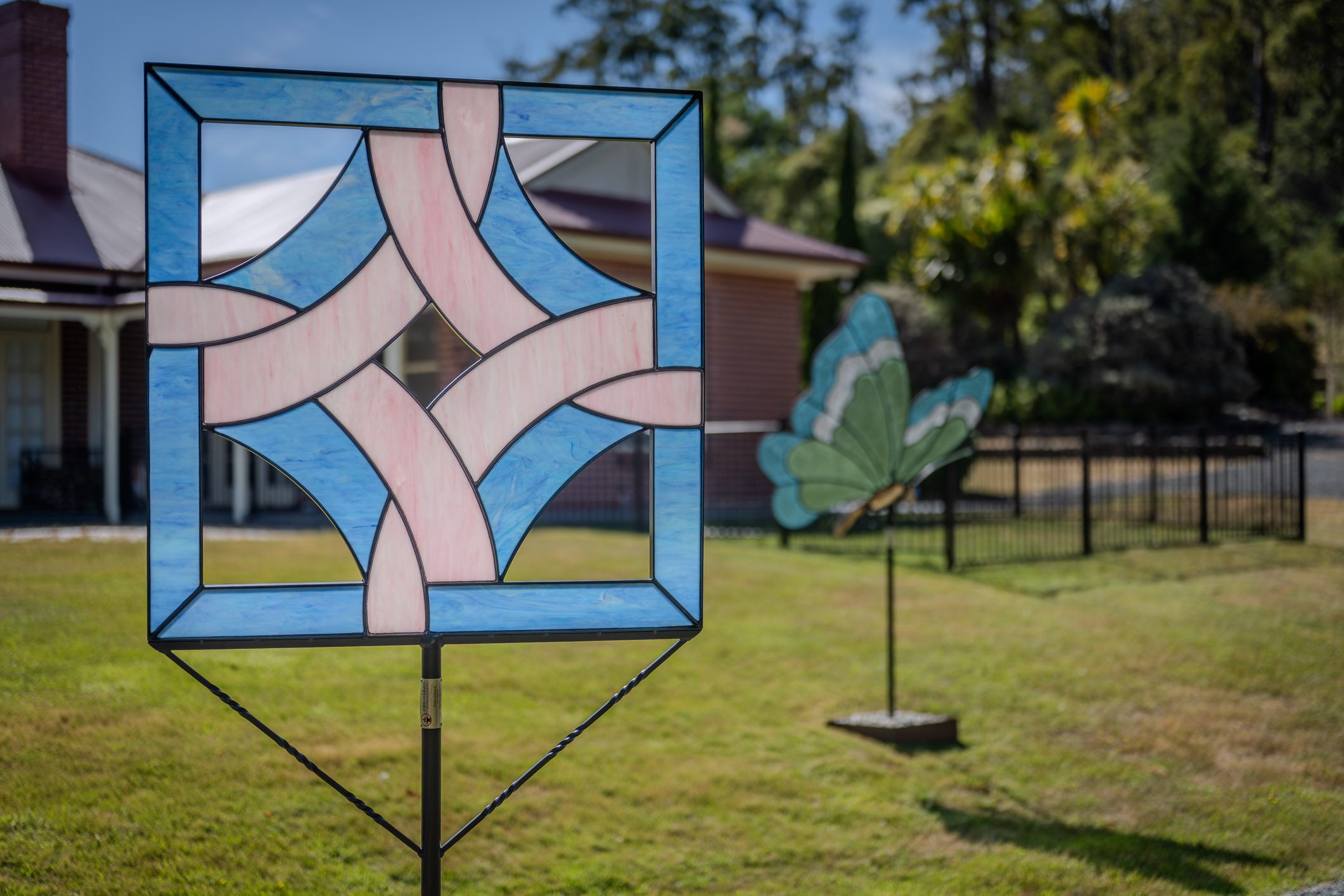
Stained glass adds another layer of joy — watching light shift through colour, throwing shadows and reflections that change throughout the day.
No two moments are the same, and that feels like magic. I also enjoy the process itself: designing, cutting, forging, welding, and problem-solving until the piece finally comes together.
There’s a deep satisfaction in making something by hand, from start to finish, and then seeing it out in the world where people can live with it, walk around it, and connect with it in their own way.
The Interplay of Light on Art
Tasmania influences my work every day, mostly through its light and landscape.
The quality of light here is crisp and changeable — bright sun, fast-moving clouds, and long golden hours — and that suits the way I work with steel and stained glass.
I’m always thinking about how a piece will sit outdoors, how it will catch the sun, and how it will throw colour and shadow onto grass, stone, or a garden wall.
The Influence of Nature on Creativity
The natural environment also shapes the forms I’m drawn to: strong lines, organic patterns, and the sense of movement you see in wind, water, and bushland.
There’s a quiet toughness to Tasmania too — weathered coastlines, old trees, and seasons that can turn quickly — and I like making work that feels at home in that setting, built to last and to change beautifully over time.
How Rest Fuels Creativity: Boredom, Sleep & Daydreaming Part 1
Discover how rest fuels creativity through boredom, sleep, and daydreaming. Explore why downtime is vital for Tasmanian artists, makers, and dreamers.
10 Ways to Explore Your Creativity with a Sketchbook Practice Part 2
In Part 2 of our series on exploring your artistry with a sketchbook practice we share 10 inspiring ideas to get stuck into on your path to daily creativity.
The Satisfaction of Making
I’ve always been drawn to making things with my hands — the satisfaction of building something real, useful, and well made.
A Pathway to Art
My path into an artistic career came from that practical foundation: working with steel, learning how material behaves under heat, pressure, and time, and enjoying the problem-solving that comes with fabrication.
Over time, I realised I wanted my work to be more than functional. I began exploring sculpture as a way to combine strength and precision with story and emotion.
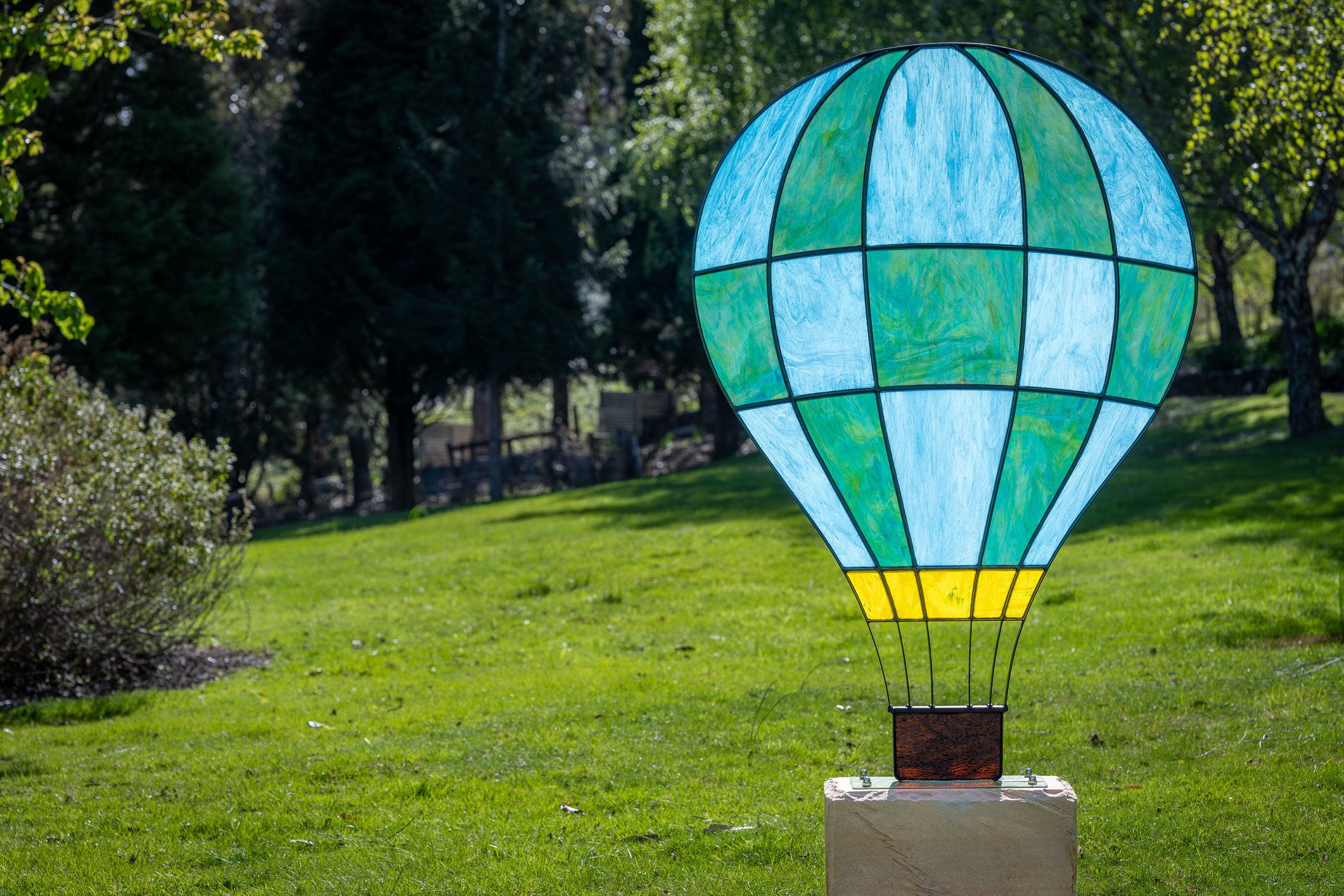
Adding stained glass opened up a whole new dimension — light became part of the piece, changing it throughout the day and giving it a sense of movement.
What started as “making” gradually became “making art,” and once that shift happened, I knew this was the direction I wanted to keep following.
Sparks and Studio Space
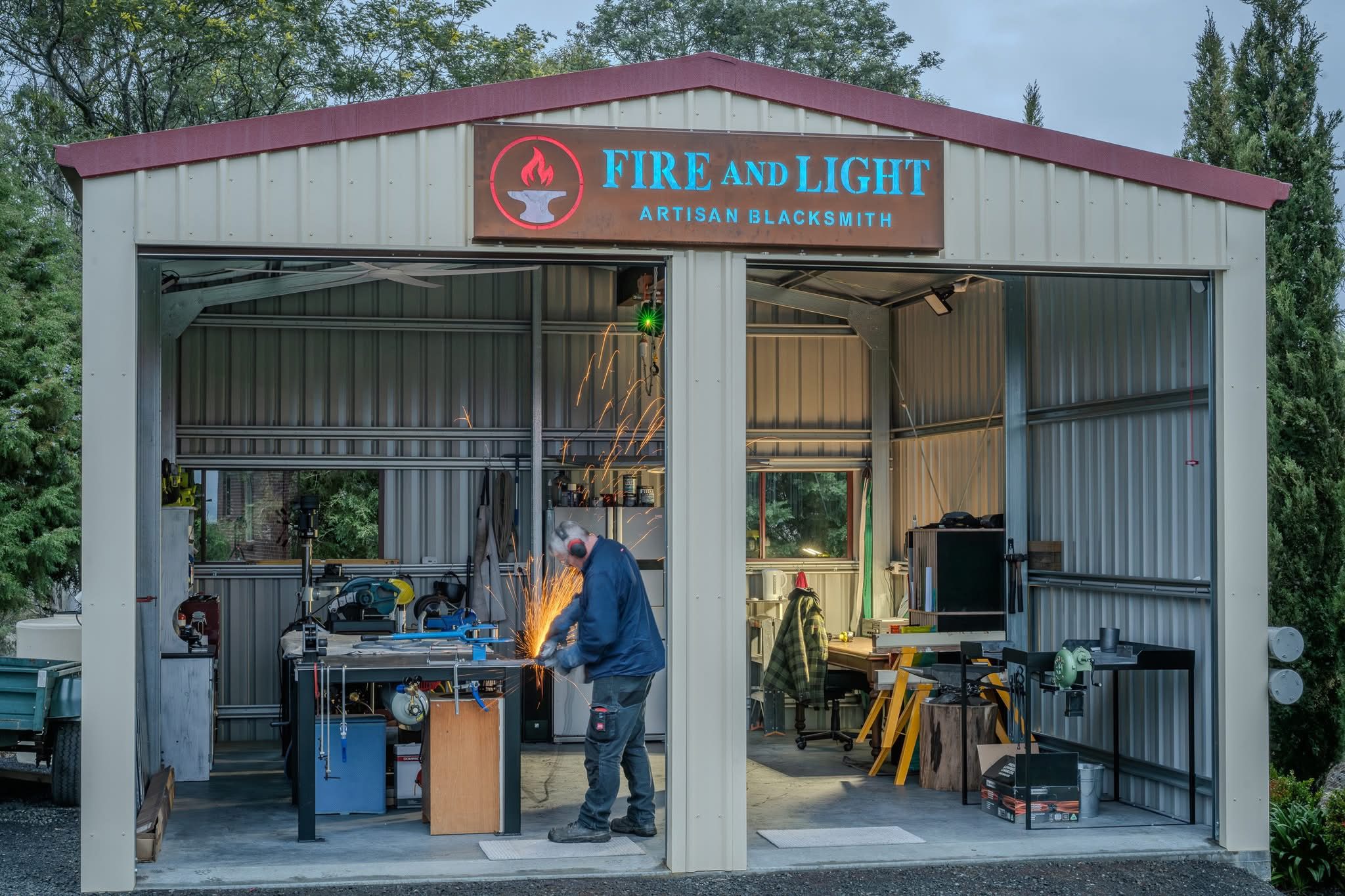
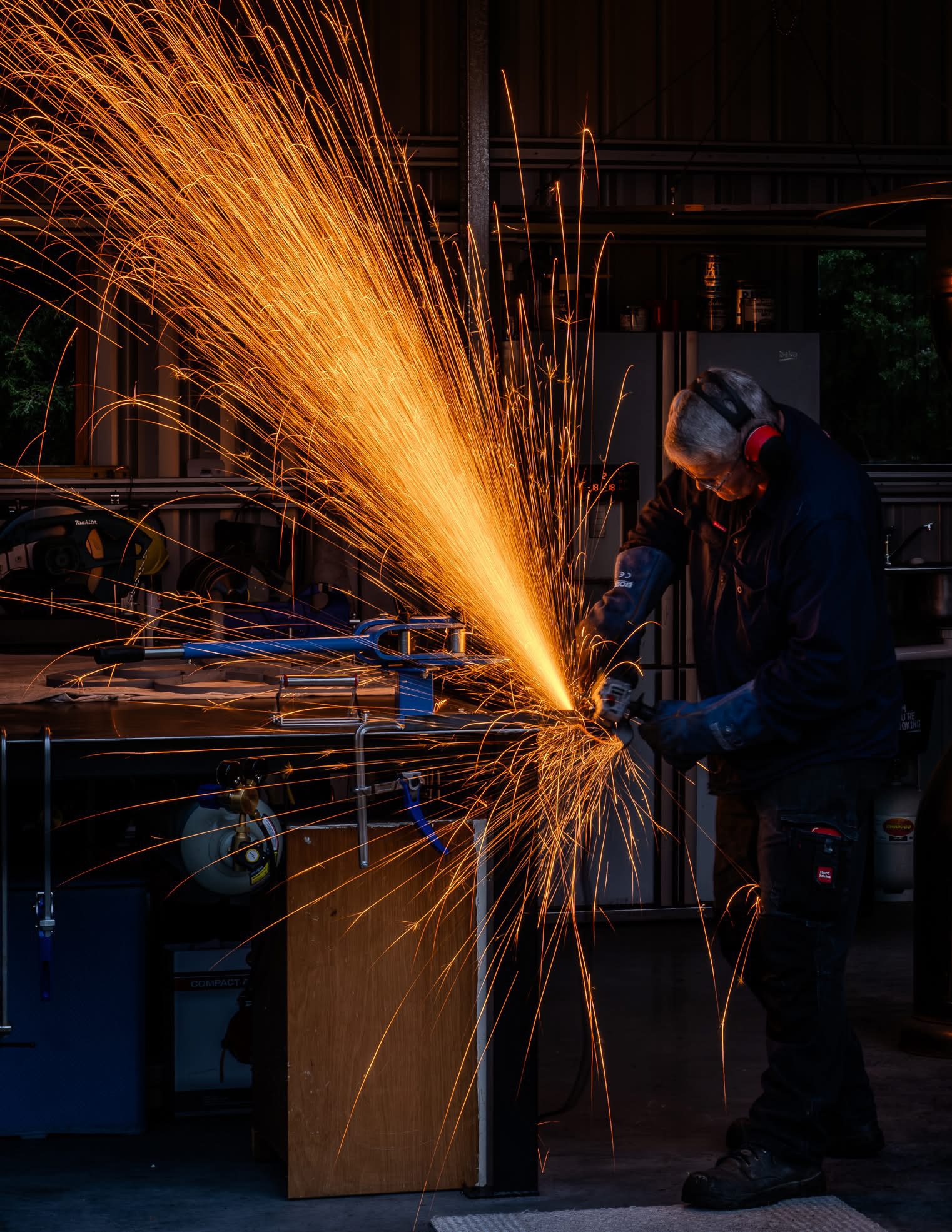
My studio is a working metal shop first and foremost — the kind of space where sparks, offcuts, and half-finished ideas are part of the landscape.
It’s set up for steelwork: welding gear, grinders, cutting tools, jigs, and a solid bench that can take a bit of punishment.
Alongside that is a cleaner area for stained glass, where I can measure, cut, and fit pieces with more precision and less grit in the air.
What led to it was simple: my work grew.
As the sculptures became more ambitious, I needed a space that could handle both the heavy fabrication and the finer detailing, without compromising either.
It’s practical, organised enough to work efficiently, and always evolving — because every new piece teaches me what the studio needs next.
Exploring Texture and Material
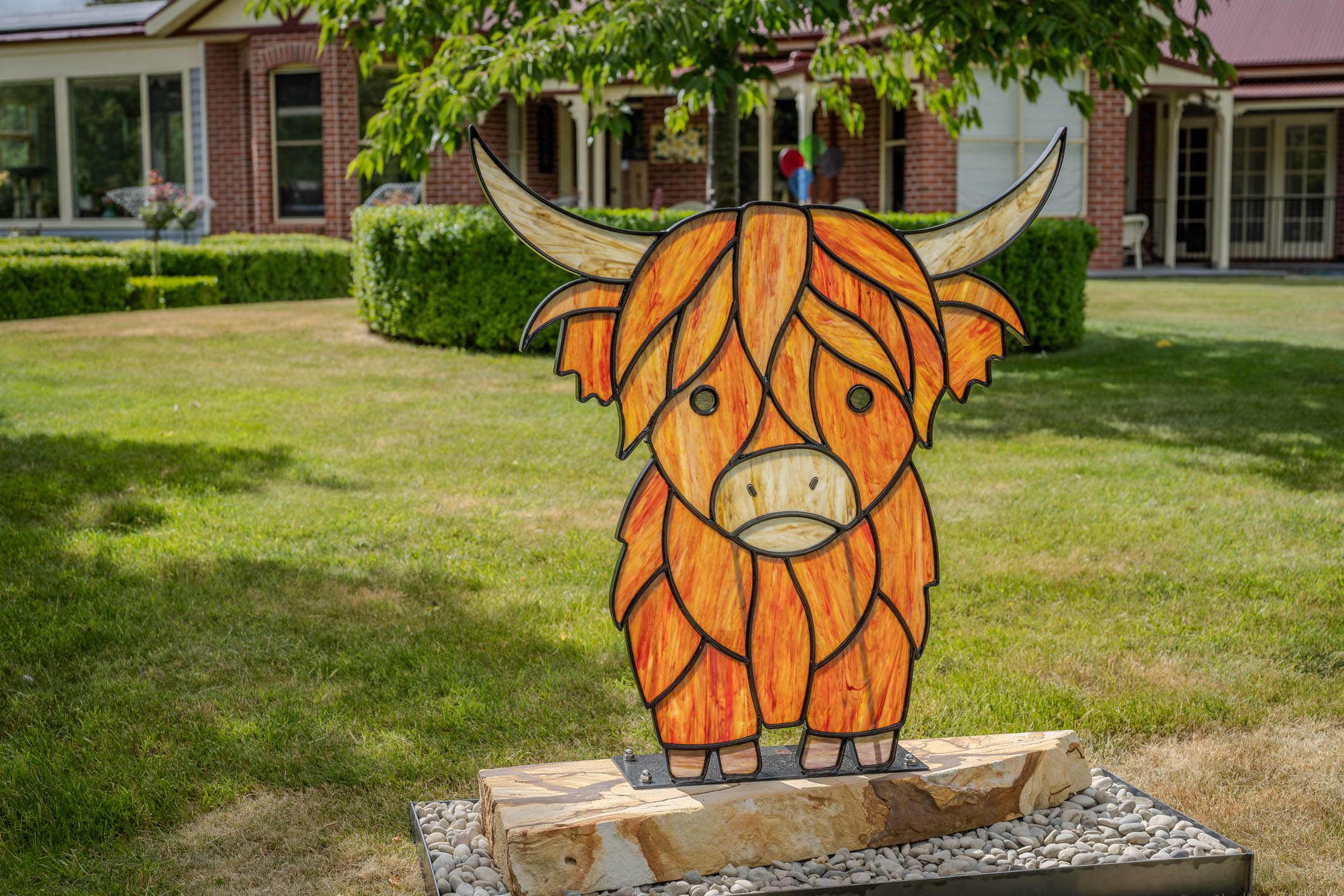
I work mainly in steel and stained glass, and lately I’ve been enjoying bringing sandstone into the mix as well — like the bases I used for Drifting Away and Highland Coo.
Steel gives me structure and strength, and I love how it can be shaped into clean lines or organic curves depending on the story I’m chasing.
Stained glass adds colour and light, and it changes the sculpture throughout the day as the sun moves — it’s never static.
Sandstone brings something grounding and timeless. It has weight, texture, and a natural warmth that balances the precision of metal and glass.
Expression Through Steel
I started with steel through fabrication and hands-on work, then moved into sculpture once I realised how expressive the material could be.
Stained glass came later as a way to add depth and atmosphere, and sandstone followed naturally as I looked for bases that felt connected to the Tasmanian landscape.
No Results Found
The page you requested could not be found. Try refining your search, or use the navigation above to locate the post.
Join the Inspiring Mel Hills for Immersive Sketching Workshop Experiences
Be part of the immersive nature journaling and sketching on location workshop with popular watercolour teacher and wildlife artist Mel Hills.
The Launceston Art Society Inspirations Exhibition
You’re invited to the Launceston Art Society “Inspirations” exhibition, a community art exhibition showcasing the diverse talents of local members.
Textile Art Workshops with Stitching and Beyond
It’s time to be inspired by the latest calendar of workshops being brought to you by the friendly Stitching and Beyond group as they celebrate the textile arts!
Future Explorations
At the moment I don’t run regular workshops or classes, as most of my time is dedicated to building new work and fulfilling commissions. That said, it’s something I’d like to offer in the future once the timing is right.
What appeals to me about running workshops is helping people get past that first barrier of “I can’t do this.”
Working with steel or stained glass can seem intimidating, but with the right guidance it quickly becomes enjoyable and surprisingly accessible.
I like the idea of teaching practical skills — measuring, cutting, safe tool use, basic welding or glass fitting — and then watching someone’s confidence grow as their project starts to take shape.
When I do begin offering workshops, I’d like them to be hands-on, small-group sessions where people leave with a finished piece and a real sense of achievement.
Meaningful Art Connections
I enjoy artist-led initiatives because they create genuine connection — not just between artists and the public, but between artists themselves.
Working in a studio can be solitary, so events like open studio trails, exhibitions, and gallery weekends are a chance to step out of that bubble and see how people respond to the work in real time.
Those conversations often spark new ideas and remind me that art lives in the relationship it forms with others.
I also value the sense of shared momentum. When artists come together through a trail, residency, or group exhibition, there’s an energy that lifts everyone.
It encourages experimentation, accountability, and growth, because you’re surrounded by people who understand the challenges and the drive to keep making.
Most of all, these initiatives help build a stronger local creative culture, and I’m proud to be part of that in Tasmania.
A Sculptural Approach to Art
My practice has evolved from a focus on making and fabrication into a more deliberate sculptural approach, where concept and experience guide the build.
Early on, I was mostly driven by materials and technique — how to shape steel cleanly, how to make things strong, how to finish them well.
Over time, I began thinking more about what the work does: how it sits in a garden, how it changes with weather and light, and what kind of feeling it creates when someone walks around it.
Introducing stained glass expanded everything. Light became part of the sculpture, adding colour and movement that shifts through the day.
More recently, I’ve started pairing pieces with natural stone bases, including sandstone, to give them a grounding presence and a stronger connection to landscape. Each new work pushes the next one forward — refining my processes, improving detail, and encouraging me to take on more ambitious designs.
Observation and Design
Sketching on location isn’t a big part of my process in the traditional sense, but I do spend time observing a site before I commit to a design — especially when a sculpture is being made for a specific garden or entranceway.
I’m always thinking about scale, sightlines, and how the piece will be seen as someone approaches it or moves past it.
Instead of sitting down with a sketchbook outdoors, I’m more likely to take reference photos, make quick notes, and then develop the design back in the studio.
Light matters a lot in my work, so I pay attention to where the sun falls during the day and what surrounds the spot — trees, fences, open sky, or stone.
That information shapes the final form, and it helps me make something that feels like it belongs in that place rather than just being placed there.
Nurturing the Muse
I nurture my creative muse by staying close to materials and making regularly, even when I’m not “ready” with a perfect idea.
Often inspiration arrives through the work itself — cutting, shaping, and testing forms until something clicks.
I’ll follow small sparks of curiosity, like a new curve in steel, a pattern in glass, or a texture in stone, and let those lead the next design.
Light is a constant inspiration. I’m drawn to how stained glass changes throughout the day, and how shadows can become part of the sculpture’s presence.
Nature also plays a big role — not necessarily copying it directly, but taking cues from movement, rhythm, and repetition in things like windblown grass, branches, or water.
I also find inspiration in conversations at gallery weekends and exhibitions. Hearing what people see in a piece often shows me new directions I hadn’t considered.
Fuel Your Creativity with 7 Inspiring Book Reviews for Artists
Discover 7 delightful books, celebrating an artist’s life, avian artistry, colour exploration, textile makes, sketchbook adventures, creativity and painting light in this inspiring book review.
7 Fascinating Books for Creative Thinkers and Artists
Explore 7 fascinating arts & crafts gems in our book reviews series from colour exploration to botanical illustration to fabric to the art business and more.
How a Blog Builds Your Creative Artist Profile and Income – Part 1
In part 1 in our series on how to make a blog grow your artist profile and income, we dive into what it is and how to get it working for you.
Why Every Artist and Creative Business Needs a Clear, Simple Content Plan – Part 1
In Part 1 in our series on Content Planning we explore why having a clear and simple content plan is so important for your growing creative business.
Lessons from Art Exhibitions
Exhibitions have taught me that presentation matters almost as much as the work itself.
The way a piece is positioned, lit, and given space to breathe can completely change how people read it.
I’ve learned to think beyond the studio and consider the viewer’s experience — where they first see the sculpture, how they move around it, and what details they notice up close.
They’ve also shown me the value of clear storytelling.
People connect more deeply when they understand a little of the process, the materials, or the idea behind a piece.
Even a few well-chosen words can invite someone in.
Another lesson is to stay open. Viewers often see things I didn’t consciously plan, and those interpretations are valuable. Exhibitions remind me that once the work leaves the studio, it takes on a life of its own — and that’s a good thing.
Life as a Creative Business Owner
I wish I’d understood earlier that running an artistic business is two jobs: making the work and running the business around it.
The creative side is only part of the picture — pricing, quoting, bookkeeping, photographing work, writing content, marketing, and following up enquiries all take real time and energy.
If you don’t plan for that, it can quietly overwhelm the studio time.
I also wish I’d known to build systems sooner: templates for quotes, a simple way to track builds and materials, consistent photo habits, and a clear process for commissions.
Those small things reduce stress and make the work more sustainable.
Valuing Time
Another lesson is to value your time properly.
It’s easy to underprice early on, but materials, tools, skill, and experience all matter.
Being confident in your value helps attract the right customers and keeps the business healthy long term.
The Trap of the Perfect Moment
The best advice I’ve been given is to keep making — even when you don’t feel inspired, even when the idea isn’t fully formed.
Waiting for the “perfect” moment can become a trap.
Momentum creates clarity, and the work has a way of teaching you what it wants to become once you start.
I’ve also learned that consistency beats intensity.
Small, regular sessions in the studio do more for creativity than occasional big bursts followed by long gaps.
Showing up builds skill, confidence, and a body of work you can actually stand behind.
The Power of Play
Another valuable lesson is to make space for play. Not everything has to be a finished piece or a product. Trying new techniques, testing a shape, or exploring a material with no pressure often leads to the most original ideas.
Creativity thrives when it has room to move.
Building Artistic Skills
One of the best ways to build artistic skill is simple repetition with intention: make, review, refine, and make again.
Choose a specific element to improve each time — cleaner welds, stronger composition, better glass fit, more balanced proportions — and treat every piece as practice as well as a finished work.
The second is to learn from others, even outside your medium.
Look closely at work you admire, visit exhibitions, and study how artists solve problems of form, scale, and storytelling.
When possible, ask questions, watch demonstrations, or do short courses to pick up techniques that would take years to discover alone.
The third is to take on projects that stretch you just beyond your comfort zone.
Growth happens when you attempt something slightly harder than last time — a new shape, a new material, or a more ambitious build — and then work through the mistakes until it clicks.
Embracing the Seasons and Weather
Something I’d like to share is how important the outdoor setting is to my work.
I don’t make sculptures to sit still and look perfect under indoor lighting.
I want them to live in the weather and the seasons — to throw colour on a bright morning, to feel more dramatic on an overcast day, and to develop character over time.
Steel, glass, and stone are honest materials, and I like that they can handle real life.
I’m also grateful for the conversations that happen around the work.
When someone tells me a sculpture reminds them of a place, a memory, or even a feeling they can’t quite name, it’s a reminder of why I do this.
If you ever want to see the pieces in person, I’m always happy to arrange a walk-through and talk you through the process and the stories behind them.
10 Helpful Tips to Grow Your Blog Audience and Flourish Part 2
In Part 2 of our series we dive into 10 very practical tips and insights on how to grow your blog audience to flourish creatively and financially.
8 Elements Needed For Your Successful Content Plan – Part 2
In Part 2 in our series on Content Planning we go through the vital 8 elements needed to craft your own successful Content Plan.
Members: Send in Your Artist Profile and Event News Story
It is a joy to be able to share your artist profile, exhibition news, workshops and art retreat stories here on Art Trails Tasmania, on the blog, in the thriving art lovers’ Community newsletter and across Facebook and Instagram. So be sure to send in your stories!
About the Artist
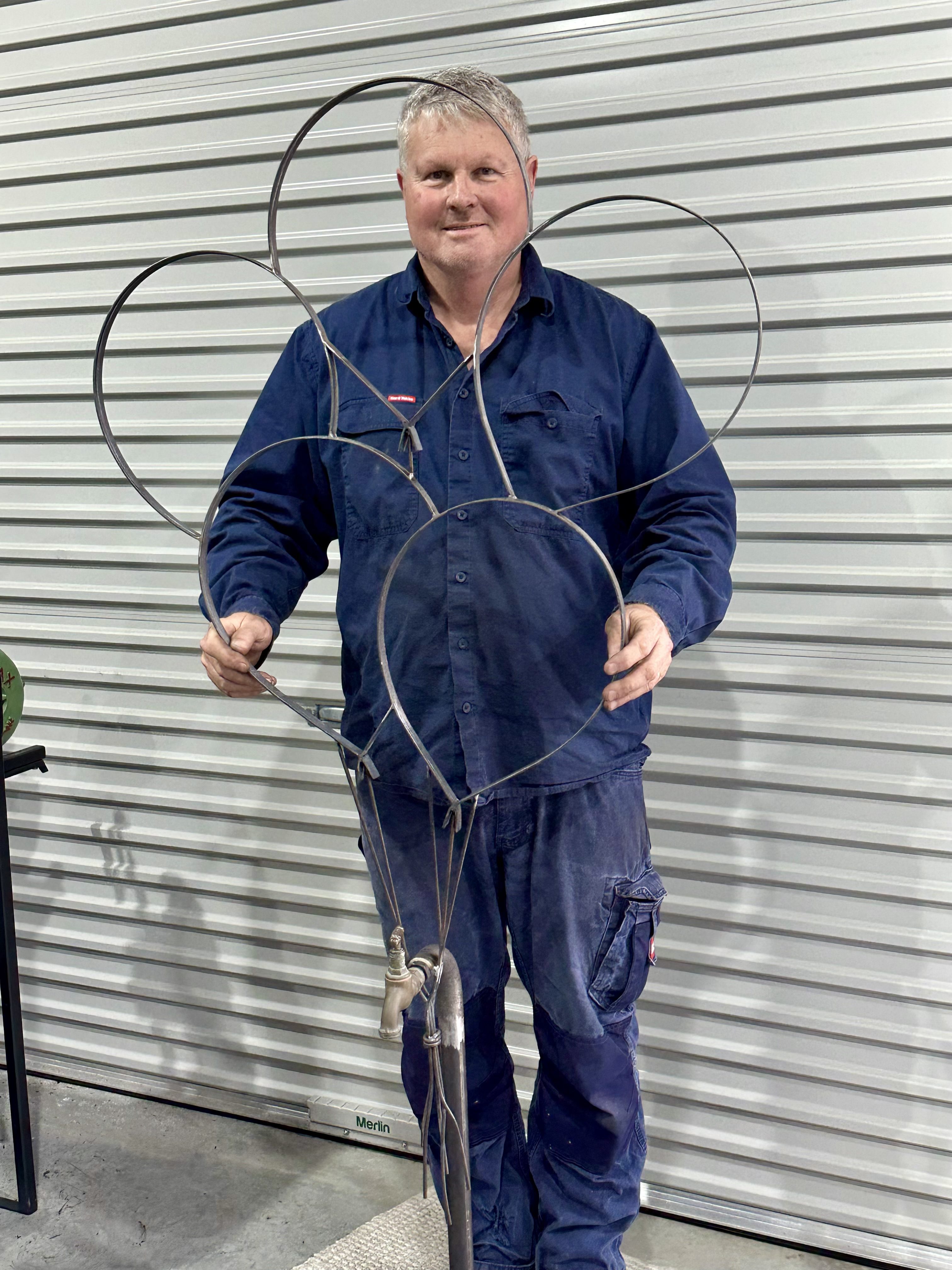
I’m a Tasmanian-based artist working in steel and stained glass, creating outdoor sculptures designed to interact with natural light and landscape.
My pieces combine strong metal forms with colour and shadow from glass, and often incorporate stone bases to ground them in place.
Each work is designed and built by hand in my Riverside (Launceston) studio, balancing fabrication skill with a love of storytelling through materials.
I create one-off sculptures, small collections, and commissioned pieces for gardens and outdoor spaces across Tasmania.
Be sure to explore Peter’s Fire and Light website with his firepits, commissions and gallery and to follow Peter on Facebook and Instagram!
Read Another Artist Profile…
Jacquelyn Mansell Paints Tasmania’s Spirit With Heart and Purpose
Meet Tasmanian Artist Jacquelyn Mansell The greatest joy in my art comes from the profound connection between myself, the subject, and the viewer. Immersing myself in the landscapes and wildlife of Lutruwita (Tasmania) allows me to translate the island's raw beauty...
Bold Colours and Mark-Making with Julie McDonald
An Art Practice Centred on Sharing Connections My art practice is more than just a profession; it’s my way of sharing stories and connecting with the world around me. I thrive on experimenting with bold colours and mark-making, constantly challenging myself to step...
An Abiding Love for Colour and Making with Noelene Hammond
Mixing Colour, Brightness & Abundance My love of colour started when I began selling in art galleries. Black, white and grey do not work. I try to create a picture in my head. My boxes of coloured wool I could not be without, as they give me great joy. My...
Read What Our Members Say About Belonging
Join the growing, supportive artists community today and have your Artist story told here.
Belinda is doing a great job creating a professional looking artist hub online. Check out the profile I posted recently to see how well she does them. To all my artist friends let’s help make this THE go to place to discover local artists.
You won’t regret joining Art Trails Tasmania . It’s a welcoming community for creatives at any career stage.Becoming an Art Trails Tasmania member wasn’t a hard decision for me to make as it’s such a wealth of knowledge and support.Being member provides a quality way to showcase your creative endeavours and it’s quickly growing in reach.
We operate a home based picture framing business and recently joined Art Trails Tasmania as a means to giving us exposure to the wider artist community. We have almost immediately seen increase in activity thru our online sites, which I am certain will lead to more opportunities to grow our business.
Artist Profile Stories
I want there to be more arts and crafts in our world, in our communities and in our own lives. Hopefully you’ve found this blog post inspiring and interesting.
So I’m creating, with your help, Art Trails Tasmania, allowing all of us who feel this love to create more of it.
And the Art Trails Tasmania blog is a key part of making this happen, telling the stories of members. It’s about what they have happening with workshops and classes, exhibitions, open studio trails, where to find their outlets, markets, fairs and festivals so you can shop their creations as well as their art and craft retreats.
Also being shared are the supporters of our artists, the galleries, shops, cafes, art societies and groups, places to stay and artist in residencies.