12 Mindful Practices for Exploring Your Creativity with Clarity and Joy
Explore your creativity by intentionally choosing constraints that support focus, mindfulness and enjoyment, rather than waiting for ideal conditions to appear.
In Part One, we explored why constraints can become powerful catalysts for creative growth in Explore Your Creativity Through Boundaries That Strengthen Your Creative Practice.
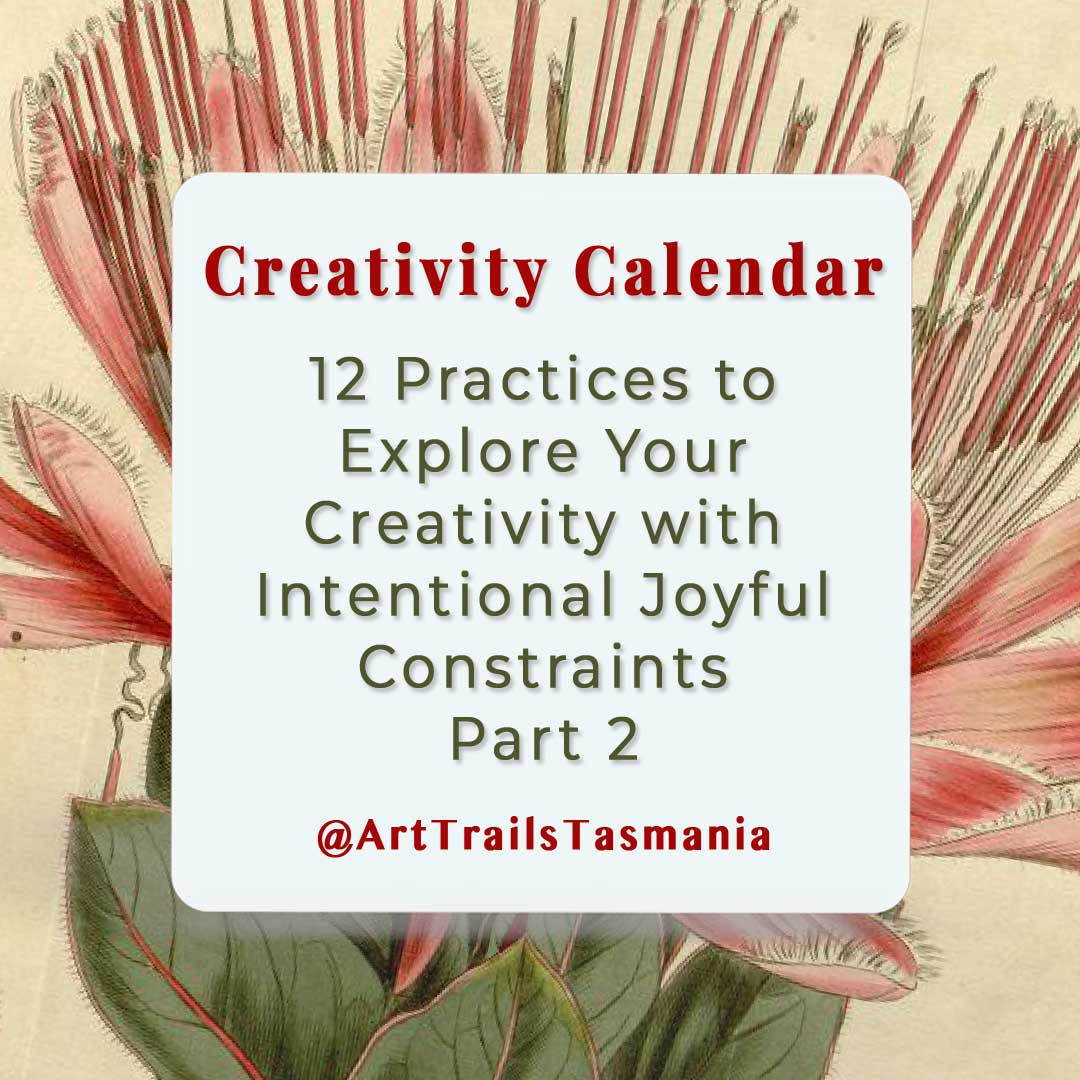
Now, let’s explore into 12 inspiring, practical ideas designed to spark and nurture your creativity.
12 Practice Ways to Explore Your Creativity
When limits are selected with care, they become part of an intentional creative practice that reduces overwhelm and gently invites you back to making.
Constraints can help reignite a quiet or stalled practice, deepen engagement with materials and transform creativity into a source of nourishment, curiosity and quiet satisfaction.
1. Begin With One Clear, Supportive Constraint
The most effective constraints are simple and specific. Starting with one clear limit reduces hesitation and helps you begin without overthinking.
This might be choosing one medium for a defined period, such as watercolour for two weeks or textiles for a month.
It could be committing to a small daily sketch or working within a single format or size.
A clear constraint removes the pressure to decide everything at once and gives your attention a place to settle.
Clarity creates momentum, and momentum builds confidence.
2. Use Material Constraints to Build Deeper Relationships
Limiting materials encourages familiarity and understanding.
When you work repeatedly with the same tools or materials, you begin to notice subtleties you might otherwise miss.
A reduced colour palette in oils reveals unexpected harmonies.
Working with a single fabric type highlights how stitch changes texture and structure.
In sculpture, repeated handling of one material builds sensitivity to weight, balance and resistance.
In photography, using the same camera or lens sharpens observation.
Material constraints deepen relationship, not limitation.
3. Let Time Constraints Support Consistency, Not Pressure
Time-based constraints are most helpful when they are realistic and kind. Instead of focusing on output, focus on duration.
Ten or twenty minutes a day can be enough to support drawing, stitching, painting or editing photographs.
Knowing the session is short often quietens perfectionism and encourages play. Stopping when the time ends builds trust and makes returning easier.
Consistency matters more than long sessions, especially when rebuilding or sustaining a creative practice.
Plein Air Oil Painting Weekend Workshop with Katrina Pullin
Explore something new with this two day plein air oil painting weekend workshop with Katrina Pullin based at the Oatlands Gallery 102 & discover the joys of painting outside.
Knitted Wire Bracelets Workshop with Noelene Hammond
Learn how to create your own knitted bracelet in this workshop with Noelene Hammond and enjoy a delightful gathering focused on creativity and joy.
Members: Send in Your Artist Profile and Event News Story
It is a joy to be able to share your artist profile, exhibition news, workshops and art retreat stories here on Art Trails Tasmania, on the blog, in the thriving art lovers’ Community newsletter and across Facebook and Instagram. So be sure to send in your stories!

How to Make the Most of Entering Exhibitions Like the Incognito Art Show
Discover how to make the most of the opportunity of entering the Incognito Art Show so you can grow your Artist Profile, find new supporters and buyers and flourish!
How to Flourish Financially and Creatively with Markets and Fairs Part 1
In Part 1 of our series we look at how markets and fairs can be a great way to bring in money and grow creatively.
4. Anchor Constraints in a Living Sketchbook Practice
A sketchbook is one of the most supportive spaces for working with constraints. It allows exploration without expectation and encourages curiosity over performance.
You might dedicate pages to repeating the same subject in different mediums, such as watercolour washes alongside pencil or pastel studies based on a photograph.
Use it to test colour, explore composition, plan textile work or reflect on sculptural ideas.
Over time, your sketchbook becomes a visual record of thinking, noticing and discovery.
5. Combine Constraints With Gentle Creative Rituals
Rituals help constraints feel welcoming rather than restrictive. A familiar beginning signals that it is time to make.
This could be setting out materials, opening to a specific page in your sketchbook or starting with a warm-up exercise.
Rituals reduce resistance and help creativity become part of daily life rather than something that requires motivation or inspiration.
When constraints and rituals work together, showing up becomes easier.
6. Use Constraints as a Mindfulness Practice
Constraints naturally encourage mindfulness. When choices are fewer, attention deepens and the senses become more engaged.
Notice the texture of fabric, the flow of watercolour, the softness of pastels or the resistance of sculptural materials.
In photography, notice light, shadow and framing. This attentive presence turns making into a form of meditation.
Creative practice becomes less about outcomes and more about being fully present with materials and process.
7. Reignite a Quiet or Stalled Creative Practice Gently
If your creative practice has gone quiet, constraints can provide a gentle way back. Rather than aiming for finished work, aim for engagement.
Choose a small, defined project: a week of daily sketches, a series of textile samples or a handful of photographs taken during short walks.
Keeping the scope small reduces pressure and rebuilds confidence through action.
Momentum returns through doing, not waiting.
8. Let Constraints Encourage Play and Curiosity
Constraints are most effective when paired with playfulness. Treat them as prompts rather than rules.
Ask open questions: What happens if I repeat this mark? How might this stitch change the surface? What if I layer these two materials?
Play invites exploration across all mediums, from mixed media to oils to sculpture.
Curiosity keeps the practice alive and responsive.
9. Reflect Regularly to Discover What Supports You
Reflection turns experience into insight. Brief notes in your sketchbook or journal can be enough.
Record what felt engaging, what surprised you and what you want to explore further. Over time, patterns emerge.
You begin to see which constraints support your creativity and which feel draining.
This awareness helps you shape a practice that is truly yours.
Art Trails Tasmania: An Artist Led Project
One of the most important features of Art Trails Tasmania is being able to introduce you to a wonderful community of Tasmanian artists, their workshops, exhibitions, creative small businesses, art retreats, events and their stories.
Each month in our free Community newsletter we share their stories directly with you, along side inspiring Creativity Calendar posts and the empowering Skills Sharing Series so you can develop the skills needed to craft the life enriching creative business of your dreams. Enjoy!
10. Allow Constraints to Evolve With Your Practice
Constraints are not permanent. What feels supportive at one stage may feel restrictive later.
Regularly revisit and adjust them. You might expand a colour palette, change scale or introduce a new medium.
This responsiveness keeps your practice flexible and aligned with your interests and energy.
Growth often shows itself through a need for change.
11. Trust Structure to Support Creative Freedom
Structure does not remove freedom; it creates the conditions for it. When decisions are simplified, energy is freed for exploration.
Clear boundaries reduce noise and allow attention to rest on making.
Whether you are painting, stitching, photographing or sculpting, structure provides a stable foundation from which creativity can unfold more confidently.
Trusting structure helps you stay present rather than overwhelmed.
12. Let Joy Be the Measure of Success
Ultimately, constraints should support enjoyment. Joy is not frivolous; it is informative.
Notice what feels satisfying, absorbing or quietly pleasurable.
If a constraint feels heavy, simplify it. If it feels energising, continue.
Let enjoyment guide your decisions rather than external expectations.
To explore your creativity is to remain curious, attentive and kind to yourself.
Chosen with care, constraints can support a practice that is joyful, sustainable and deeply personal.
Australian Landscapes Shine in the New Annette Fuller Online Gallery
Come discover Annette Fuller’s new online art gallery with its devotion to contemporary Australian landscapes, beauty and light.
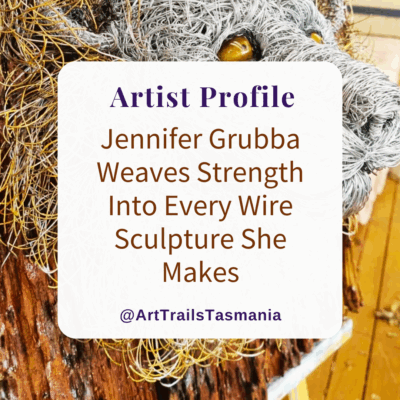
Jennifer Grubba Weaves Strength Into Every Wire Sculpture She Makes
Through healing and creativity, Jennifer Grubba transforms wire sculpture into soulful art, using each twist to calm the mind and express her recovery journey.
Explore Your Creativity
To explore your creativity is to remain curious, attentive and kind to yourself. Chosen with care, constraints can support a practice that is joyful, sustainable and deeply personal.
Creativity rarely asks for perfect conditions. It responds to attention, presence and the quiet willingness to begin again.
When you choose your boundaries with care, they become companions rather than obstacles, shaping a practice that feels steady, personal and alive.
To explore your creativity is not to wait for inspiration, but to meet what is here with curiosity and trust.
Gentle structure can hold your ideas while they grow. If you would like to revisit the foundations of this approach, read Explore Your Creativity Through Boundaries That Strengthen Your Creative Practice – Part 1 and deepen the foundations of your work.
What’s Next
Which ones of these practical tips appeals to you the most, what would like to explore first?
Sometimes it can help to write down some notes about how you respond to each or some of these ideas.
Remember, this is about you flourishing in your own ways, enjoy!
No Results Found
The page you requested could not be found. Try refining your search, or use the navigation above to locate the post.
Discover Creative Freedom Through a Sketchbook Practice Part 1
Discover the joys of sketchbook practice in Part 1 of our series – explore materials, methods, and creative freedom for artists and crafters.
10 Ways to Heal and Flourish with Creativity and Community Part 2
In Part 2, Art Trails Tasmania founder, Belinda Stinson, explores 10 ways to heal with creativity and community as she navigates through a life changing period.
Read the Latest How To Blog Stories
How Artists Can Build Their Digital Eco-System for Branding Success
7 Ways to Grow Your Digital Eco-System with Effective Branding A cohesive digital eco-system and branding approach essential for artists, makers, creative business owners, and art groups to establish a recognisable presence across multiple platforms. Here are seven...
15 Tips for Artists to Master Redbubble to Boost Sales & Visibility
Discover Redbubble: Where Artists Thrive, Buyers Explore, Creations Shine Redbubble is an online marketplace that enables artists to sell their artwork printed on various products, including clothing, stickers, phone cases, and home decor. It's a platform for both...
How to Be Part of 3 Bonus Curated Blog Stories When You Renew Your Membership
Saying Thank You to Renewing Members with Three Curated Blog Stories As a thank you for renewing your Art Trails Tasmania membership for another year I thought being part of a series of three member focused blog stories would be a delightful gift from me to you. I’ve...
How to Connect with Authors and Publishers to Ignite Your Creative Income
How to Create an Income as an Illustrator of Books Are you eager to merge your creativity with storytelling? Illustrating books by connecting with authors and publishers offers an exciting dive into the art and literature world while also generating an income. ...
Empowering Artists with 30 Key Tips for Unleashing the Powers of Newsletters
How to Craft a Power Artist Newsletter Email newsletters are digital communications sent to subscribers' inboxes on a regular basis, typically containing updates, announcements, and exclusive content. For artists, galleries, and creative business owners, newsletters...
15 Tips for Selling Success and Thriving on Bluethumb Part 1
How to Succeed on Bluethumb: Part 1 In this two part series about Bluethumb we take a deep dive into how you can succeed on this art lovers platform that was started in Australia in 2012. Initially conceived as a solution to connect local artists with buyers,...
Read the Latest Blog Stories and Flourish…
Textile Art Workshops with Stitching and Beyond
Textile Art Workshops to Inspire Workshops are central to Stitching and Beyond’s creative programme, giving textile artists and makers the chance to explore new techniques and ideas. This latest calendar of workshops from October to January, highlights the richness of...
Janet Fuller Paints Joy, Courage & King Island
Inspiration is Everywhere on King Island I love it when things just work. That one amazing brushstroke that elevates the ordinary to something that makes you go "wow, that's it". When colours come together in a way that's so bold they explode off the canvas, or so...
The Launceston Heritage Sketch 2025
An Art Competition for All Kinder to Year 12 Launceston is a city steeped in history, nestled amidst breathtaking natural landscapes, and filled with vibrant neighbourhoods and cherished landmarks. This competition invites budding young creatives of all skill levels...
The Stitching and Beyond Out of Hand Exhibition
Be Inspired by the "Out of Hand" Exhibition by Stitching and Beyond Members This year marks the 20th anniversary of Stitching and Beyond, so to celebrate we are putting on our best Out of Hand exhibition EVER!! Enjoy a wonderful collection of fibre, paper and textile...
10 Ways to Explore Your Creativity with a Sketchbook Practice Part 2
10 Sketchbook Practice Ideas A sketchbook is more than just blank pages – it’s a space where curiosity, play, and experimentation come together. In Part One, we explored why sketchbooks are such a powerful tool for creative exploration. If you missed it, you can read...
Impressions Exhibition at the Poatina Tree Gallery
You're Invited to attend the Poatina Tree Gallery Impressions Exhibition Artists Justine Vaughan, Gaynor Peaty, Rosa MacManemy, Jacqueline Senior, Julie Irvin and Elizabeth Royce are the Newfields Printmakers and invite you to their "Impressions" exhibition. Based in...
Red for Courage Slow Stitch Celebration with Rita Summers
You're Invited to Be Part of Rita Summer's Cancer Free Celebration Help me celebrate being declared cancer-free after 5 years! Last month, I got the final all-clear. No more scans, no more specialist appointments. So now I want to celebrate! I would love it if you...
“Peak Experiences” an Exhibition Inspired by Wild Tasmania by Mel Hills
Explore the Mel Hills Exhibition "Peak Experiences" Step into a world of misty peaks, glinting waterfalls and alpine wildflowers as Mel Hills unveils her long-awaited mountain celebration series. Inspired by Tasmania’s iconic wilderness these breathtaking paintings...
Discover Creative Freedom Through a Sketchbook Practice Part 1
Nurturing Creativity Sketchbook practice is a creative habit that nurtures confidence, curiosity and exploration, offering artists and crafters a space to play without fear or pressure. This blog story is Part 1 of a two-part series exploring the creative...
Read What Our Members Say About Belonging
Join the growing, supportive artists community today and have your Artist story told here.
Belinda is doing a great job creating a professional looking artist hub online. Check out the profile I posted recently to see how well she does them. To all my artist friends let’s help make this THE go to place to discover local artists.
You won’t regret joining Art Trails Tasmania . It’s a welcoming community for creatives at any career stage.Becoming an Art Trails Tasmania member wasn’t a hard decision for me to make as it’s such a wealth of knowledge and support.Being member provides a quality way to showcase your creative endeavours and it’s quickly growing in reach.
We operate a home based picture framing business and recently joined Art Trails Tasmania as a means to giving us exposure to the wider artist community. We have almost immediately seen increase in activity thru our online sites, which I am certain will lead to more opportunities to grow our business.